Peru is an all-encompassing place, filled with anything you could possibly wish for from a trip. Whether you’re looking to relax on a scenic beach or have the chance to taste and learn about all about the country you’re visiting, Peru has it all. Home to mystery, culture, adventure and breathtaking nature. Each new place you visit will allow you to connect with a different part of Peru. Take a step out of your comfort zone, and towards something greater. The Essential Peru Journey – as the name implies – allows you to visit all the must-see locations in Cuzco but using the South Route you are given the chance to broaden your exploration even further. Everything from wildlife and drinks in Paracas and Ica respectively, to a centuries old beauty in Nazca, to the white city of Arequipa, and last but certainly not least, the many wonders that Lake Titicaca has to offer. You will discover all the magic that Peru’s Southern route has to offer.
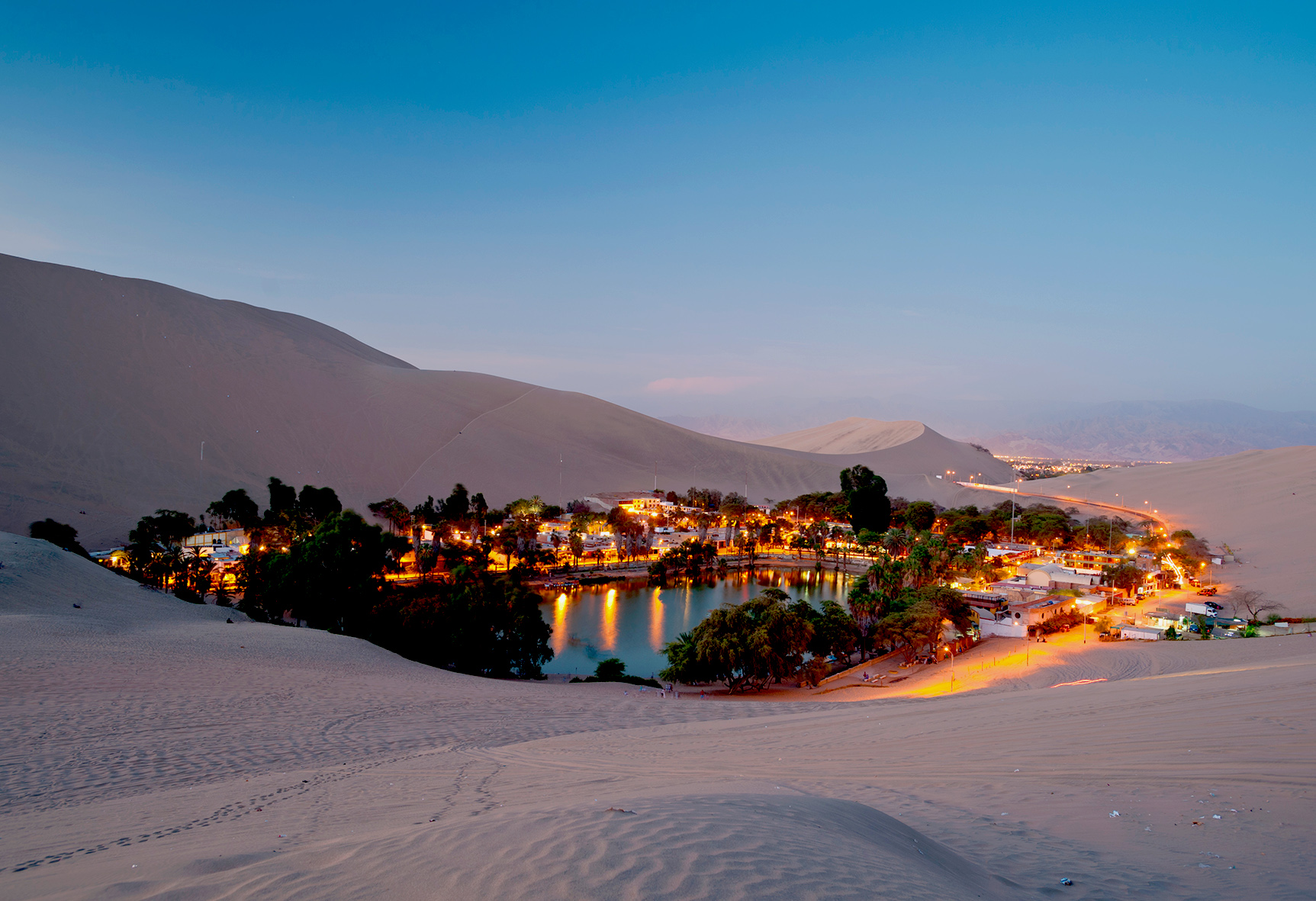
First off, we have Paracas and Ica. Only a short trip from Lima takes you to Paracas. There you will find absolutely beautiful beaches, in addition the Ballestas Islands. This land is home to sea lions, the Peruvian booby, and penguins. Enjoy not only the enchanting terrain but also all the native wildlife it has to offer. In Ica, take a dive into Peru’s national drink: pisco. Ica features a number of vineyards and wineries where grape juice is fermented to become pisco. On this stop discover just how this drink is made, along with exploring the Huacachina oasis. Here you have a chance to enjoy buggies and sandboarding around a village surrounded by sand dunes.


Experience one of the greatest archeological enigmas in the world, known as the Nazca Lines, located in the soil of the Nazca Desert in the southern Peru. The Nazca Lines are a group of lines that geoglyphs have made. These lines are mostly assumed to have been created more than 2,000 years ago by the Nazca people, while the others seem to predate the Nazca culture altogether and are presumed to have been made by the Paracas community. These lines create many different shapes; many are humanlike while others are considered to bear more resemblance to plants and animals. The most popular of these formations are the bird, the spider and the monkey. You also have the opportunity to fly over the Nazca lines, in order to view their beauty from above, these flights depart from Paracas or Ica.

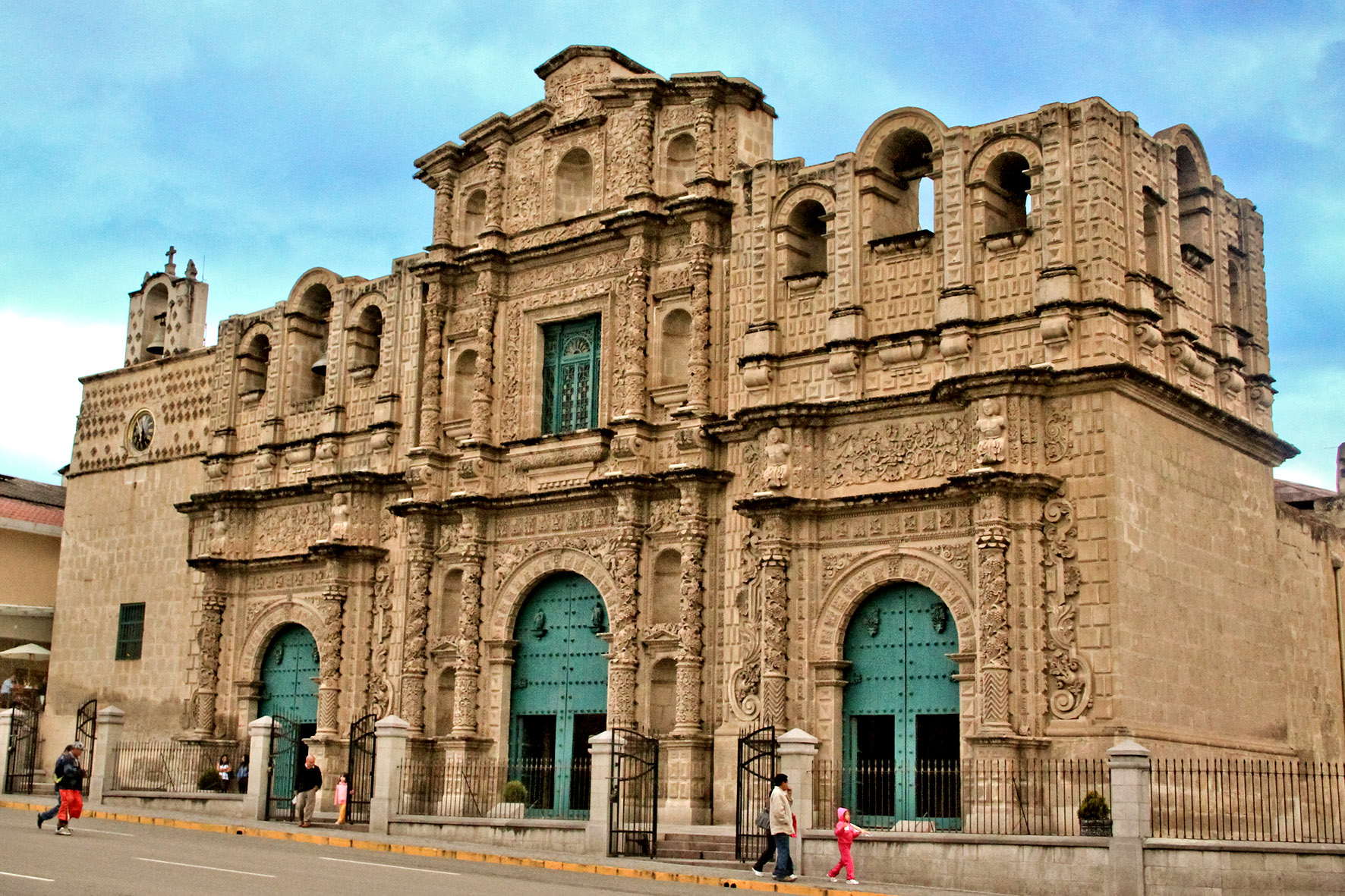
Arequipa – also known as the “white city” – was built entirely with white lava stones and is surrounded by volcanos. The main building material, sillar, is a type of volcanic rock formed from ash and lava fragments emitted during eruption. The choice of using sillar goes beyond architectural design but also reflected the city’s ability to adapt to its environment, namely being built near a volcano. It is also the second most populated city in Peru, only after the capital Lima. The stunning architecture provides the perfect background for any and all of your photos. Close by is the Colca Canyon, one of the deepest in the world, and a wonderful trek for anyone who wishes to take on the challenge. The Colca Canyon is home to the Andean Condor, a species of South American New World vulture, and if you’re lucky, you may just spot one of these majestic birds soaring above you through the canyon.


The final possible destination is located on the shores of Lake Titicaca, and that is Puno. There lies many notable churches and cathedrals, specifically the Puno Cathedral. You can visit the Uros Islands, a collection of floating islands, made entirely by hand of reed wood. Taking a visit to the Islands of Taquile and Amantani located, once again on Lake Titicaca, is a great way to experience their ancient and unique ways of life. Taquile is predominantly known for its traditional textiles which serve as a central to the island’s culture. Take a trip to Taquile in order to experience their one of a kind and rich traditions. On the other island of Amantani, people come for their views. The island offers a mesmerizing outlook of Lake Titicaca and all the surrounding mountains. Amantani Island itself is covered in agriculture and rolling hills.


No matter which destination you choose, you will find beauty and adventure. A trip you will never forget. So where are you going to go?









 Credits: T News
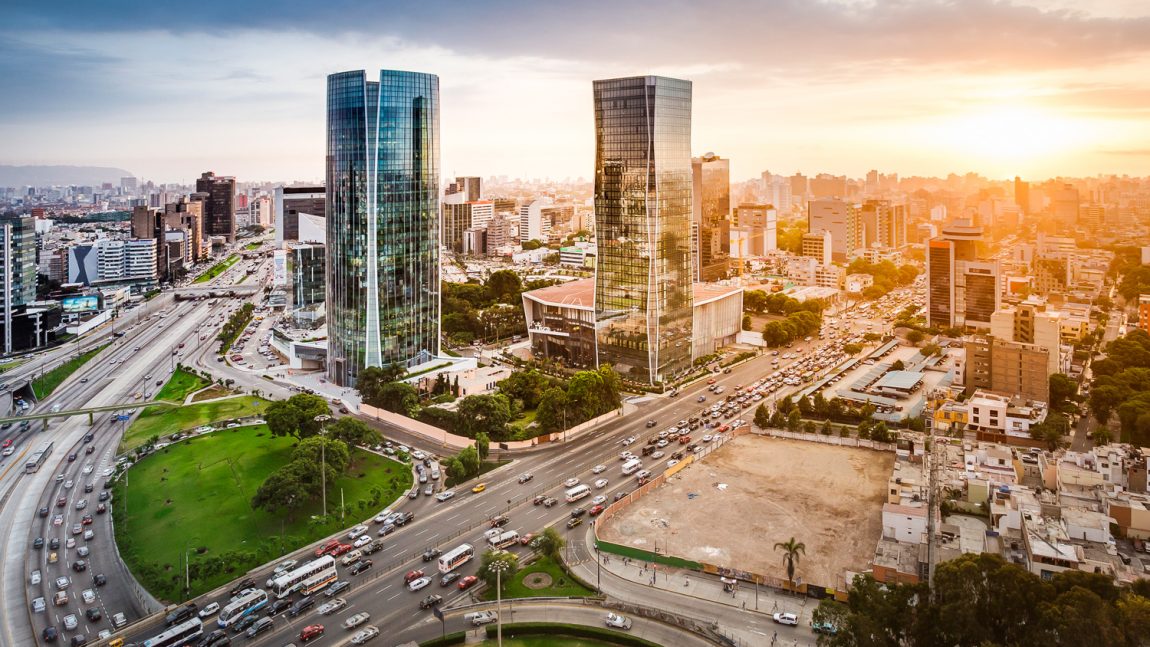
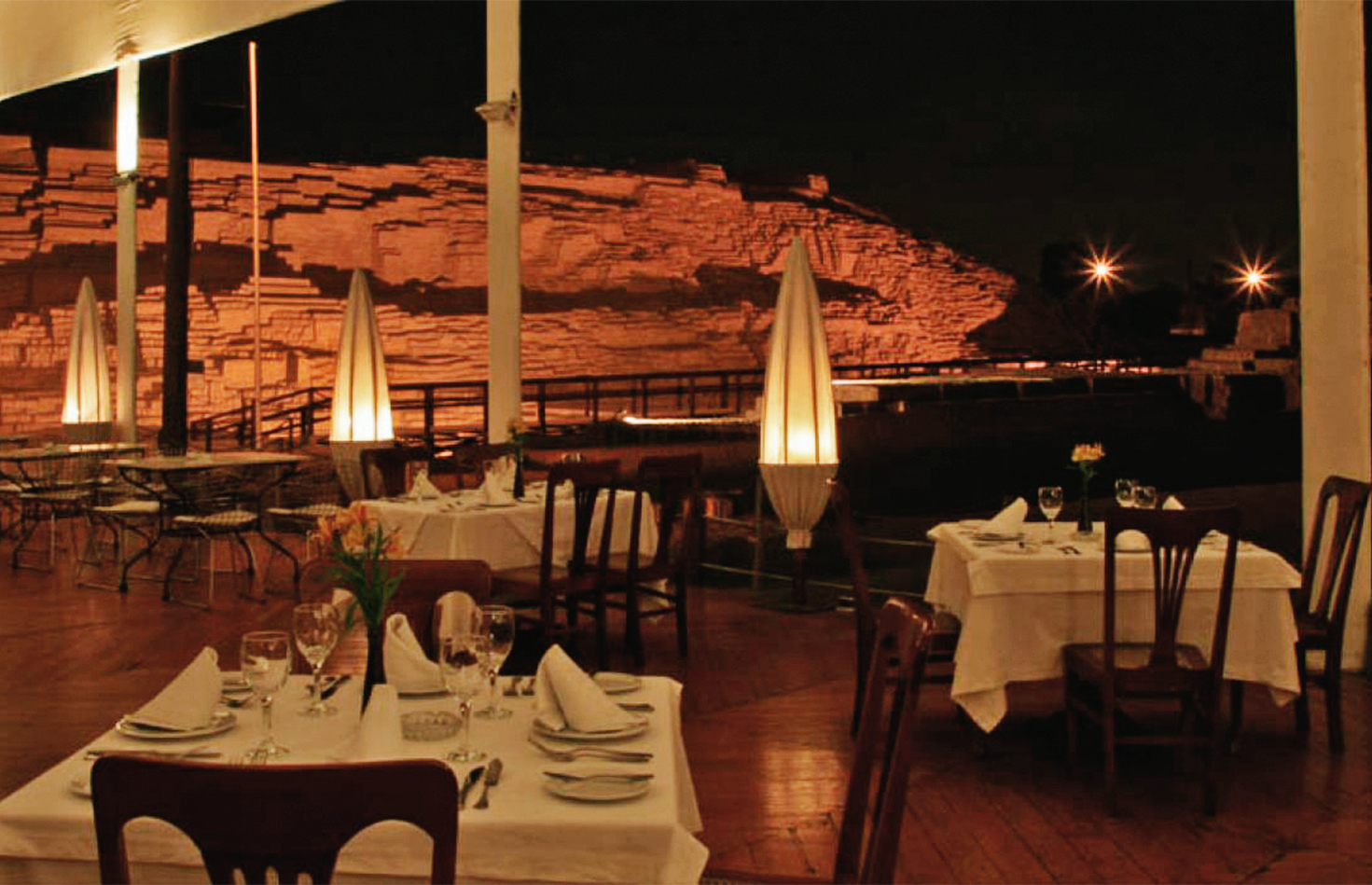
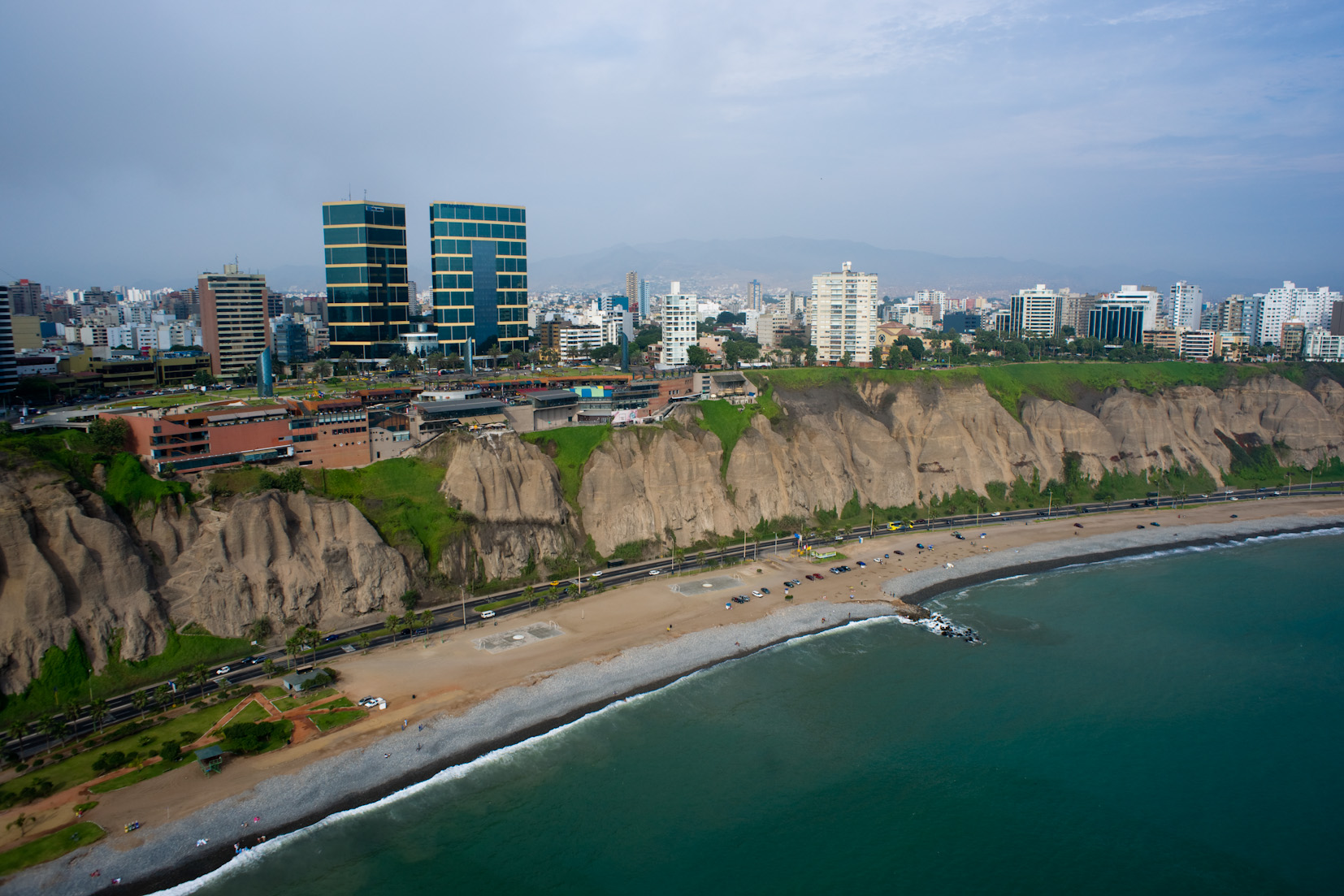
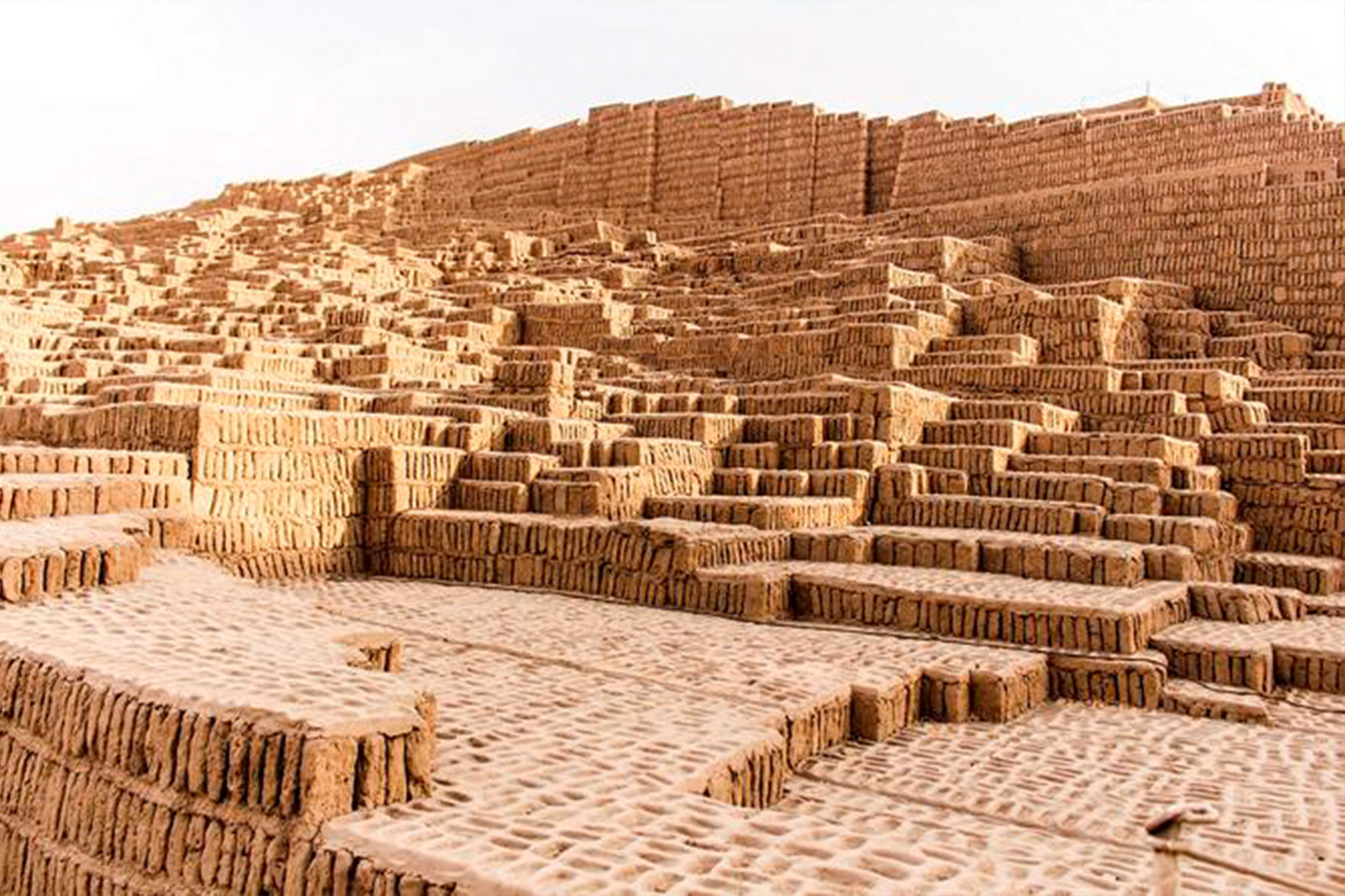
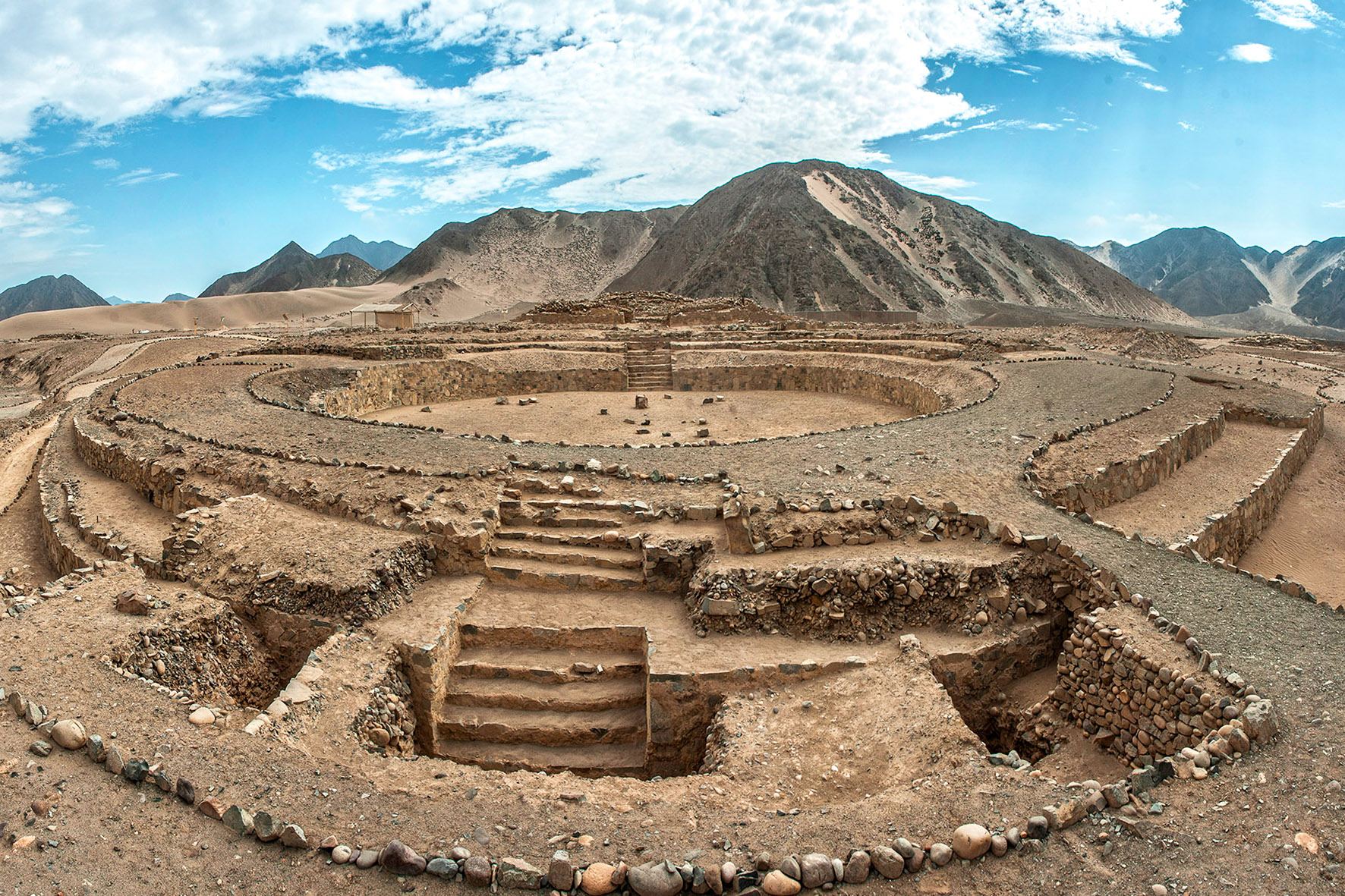
 Huaca Pucllana: this is a stone complex located in the heart of Peru’s capital city, in the vibrant district of Miraflores. This was an administrative and ceremonial center for the Lima culture. Not many tourists opt for a visit to the Huaca Pucllana, but we always suggest to spend a couple of hours there, preferebly in the morning, so that you have time to visit the museum and have a lunch at the beautiful restaurant overlooking the archeological site as wel. What is really fashinating about this archeological site is that is now merged among contemporary architecture buildings, it is worth a visiti if you happen to stay in Lima for a couple of days.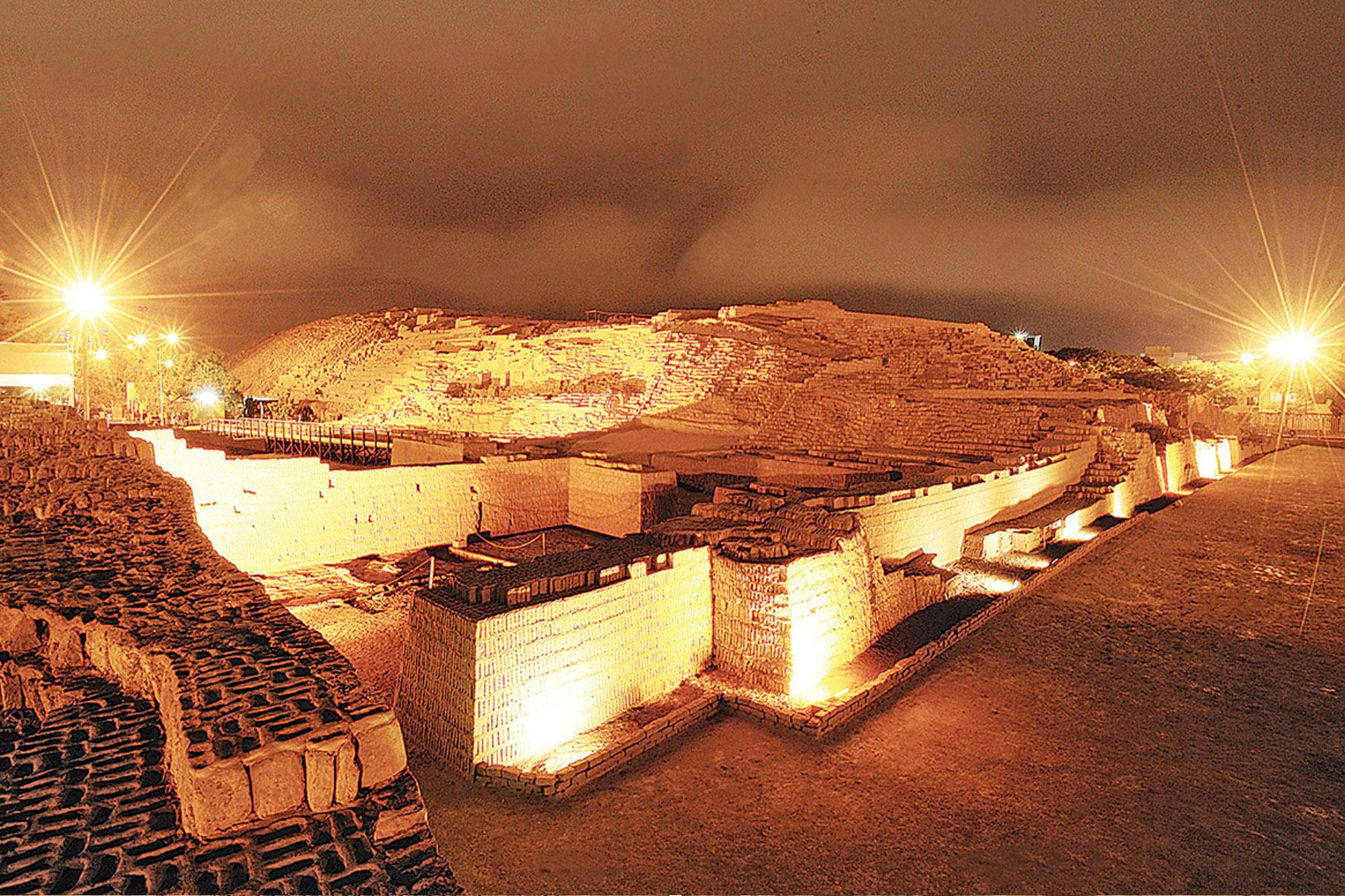
 Credits: Viator
 Credits: Apuntes de Historia
 Credits: Ministerio de Cultura
 Credits: Wikipedia
 Credits: Cultura
 Credits: Andina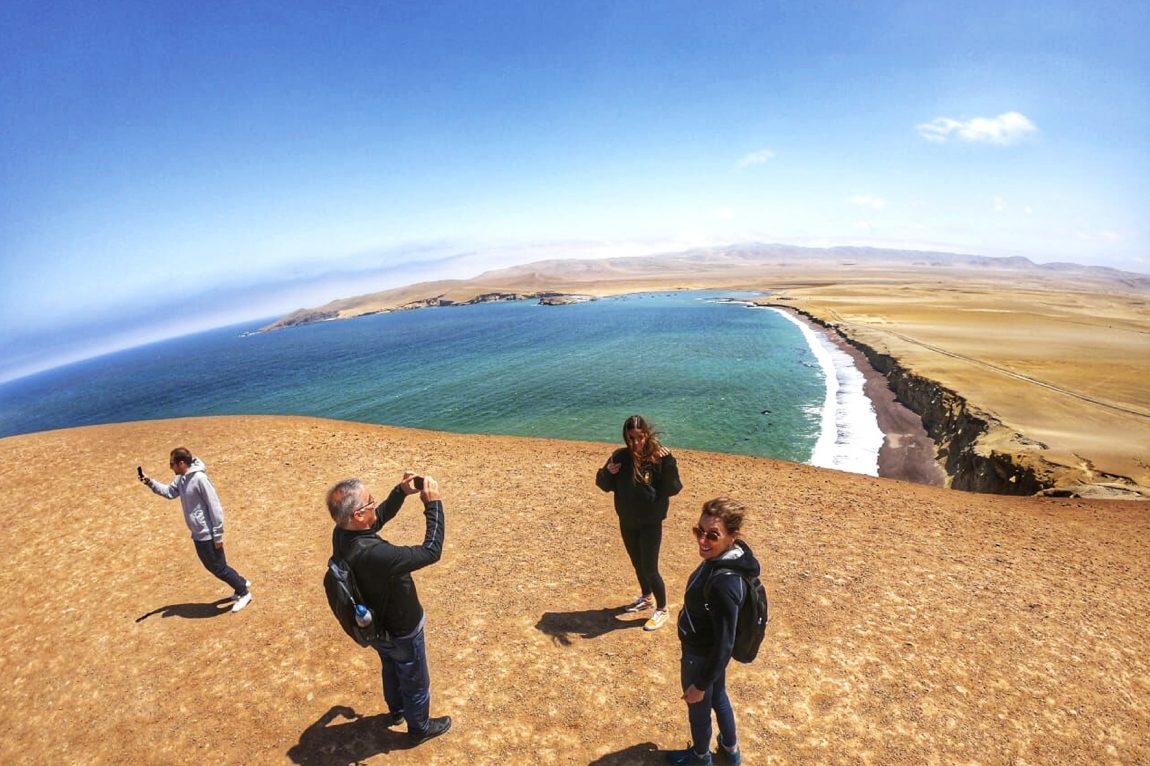
 This article aims to give you a sample itinerary that you can do in one or two days, this is up to you and you should see how it can fit into the itinerary you planned. You can come back to Lima late at night on the same day or if you prefer you can spend the night in Ica.
 Let’s start then! You have to take the bus to Paracas from Lima very early in the morning, around 4:00 am, just check the timetable of the bus company of your preference. I would suggest you to choose Cruz del Sur, which is a very reliable company and it is also considered one of the safest bus lines in the country. The buses are clean and very comfortable! You can actually take advantage of the comfy seats to have a nap during the 3-hour and half trip from Lima to Paracas. Believe this nap is worth it! Just try to rest before your excursion starts, this is going to be a long day.
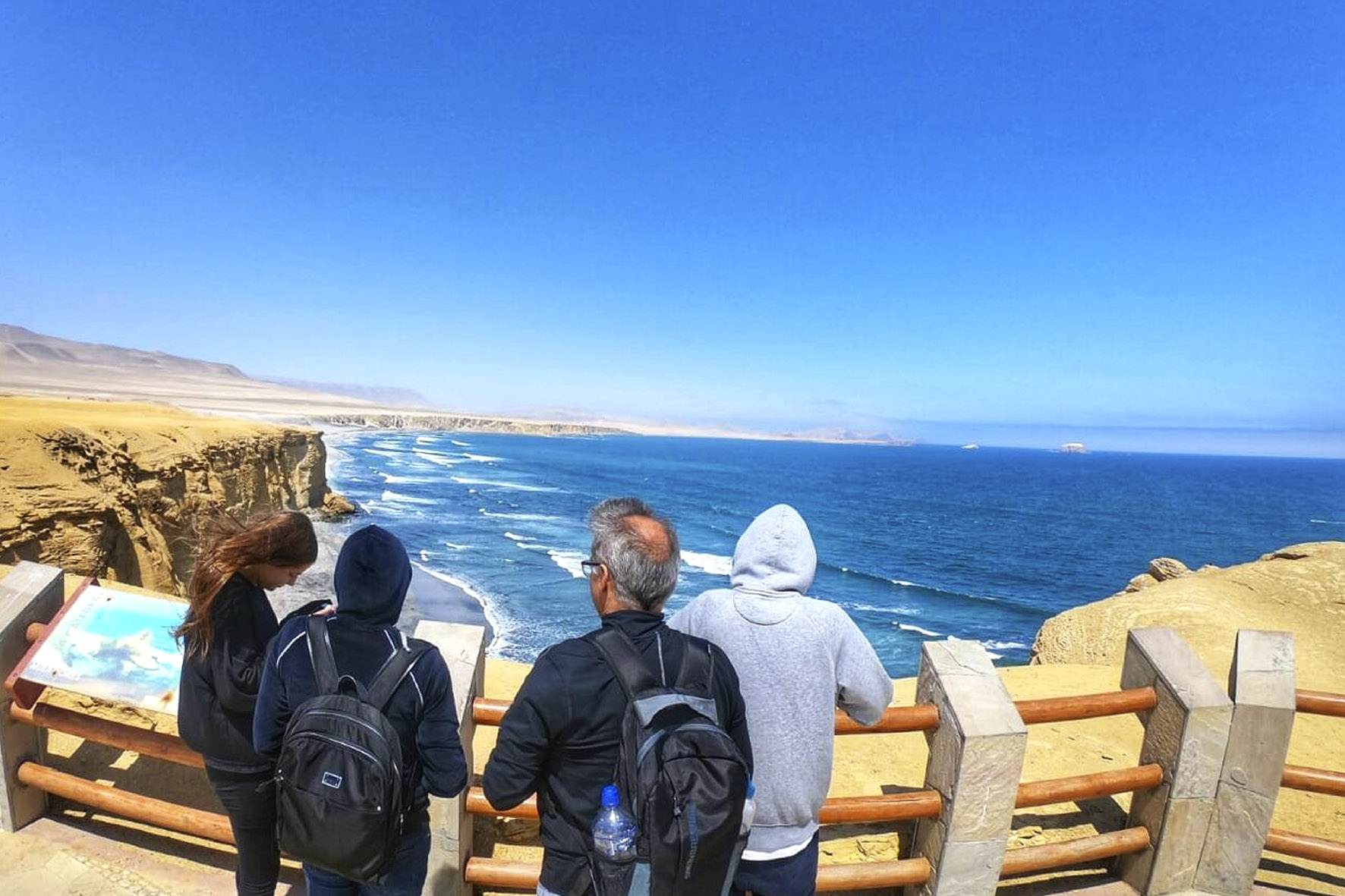
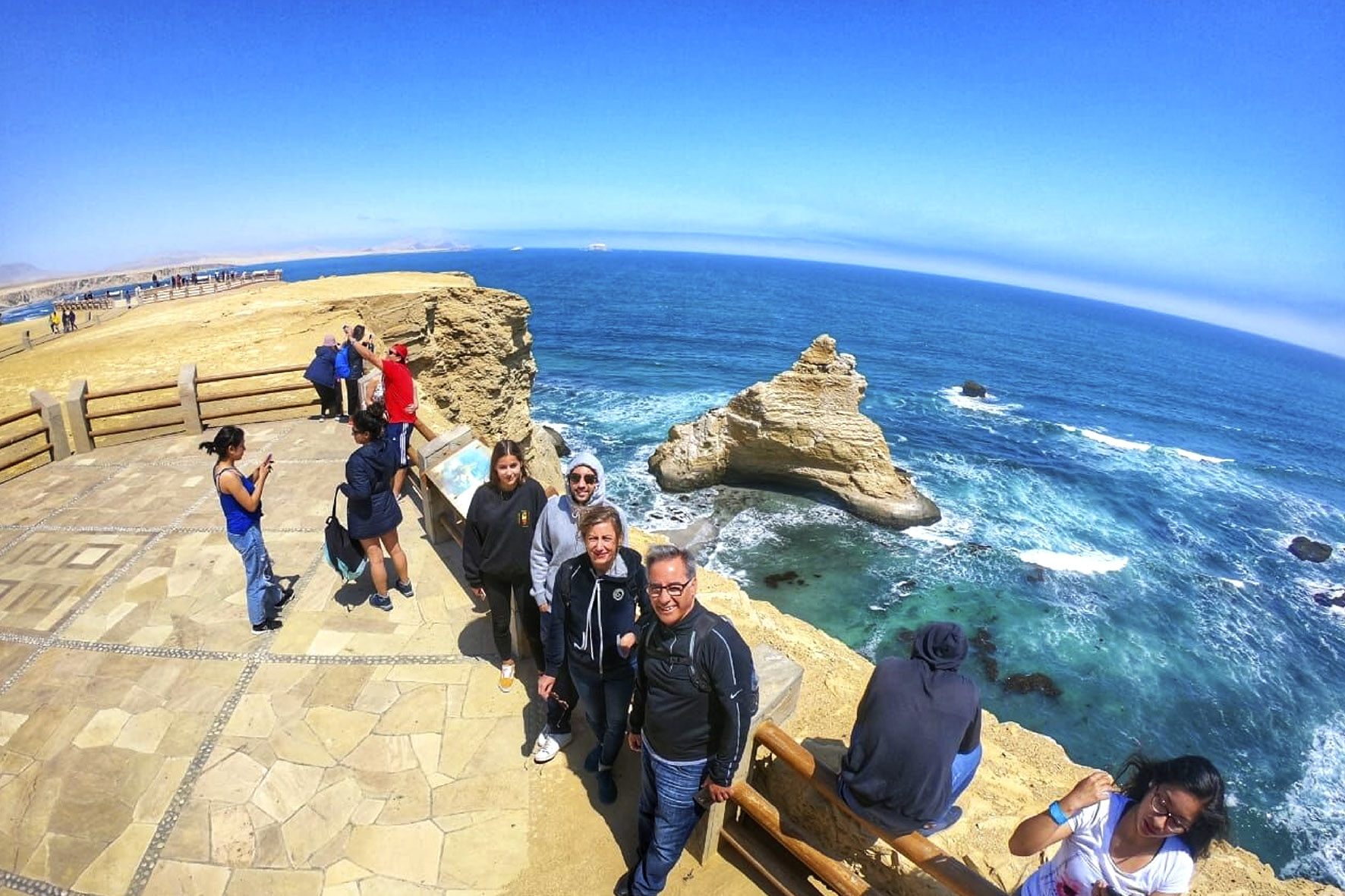
 Once in Paracas, your tour of the reserve will start from “El Chaco” pier, where you board your boat. So first of all you will have a nice and relaxing tour of the reserve by boat during which you could see the famous ”El Candelabro”, a large prehistoric petroglyph of unknown origin spanning over 150 meters high and 50 meters wide, which is considered a mysterious symbol. There are tons of theories on it, one of them states that perhapsthe symbols was used as guide for sailors many years ago. As we approach the islands, you will see the rock formations from every angle as well as the different species of animals and birds that habitat the island, like sea lions, Peruvian booby, cormorans, penguins and much more. There are more of 400 species of flora and fauna in the area, so if you are into nature and wild animals, this is the place to visit!
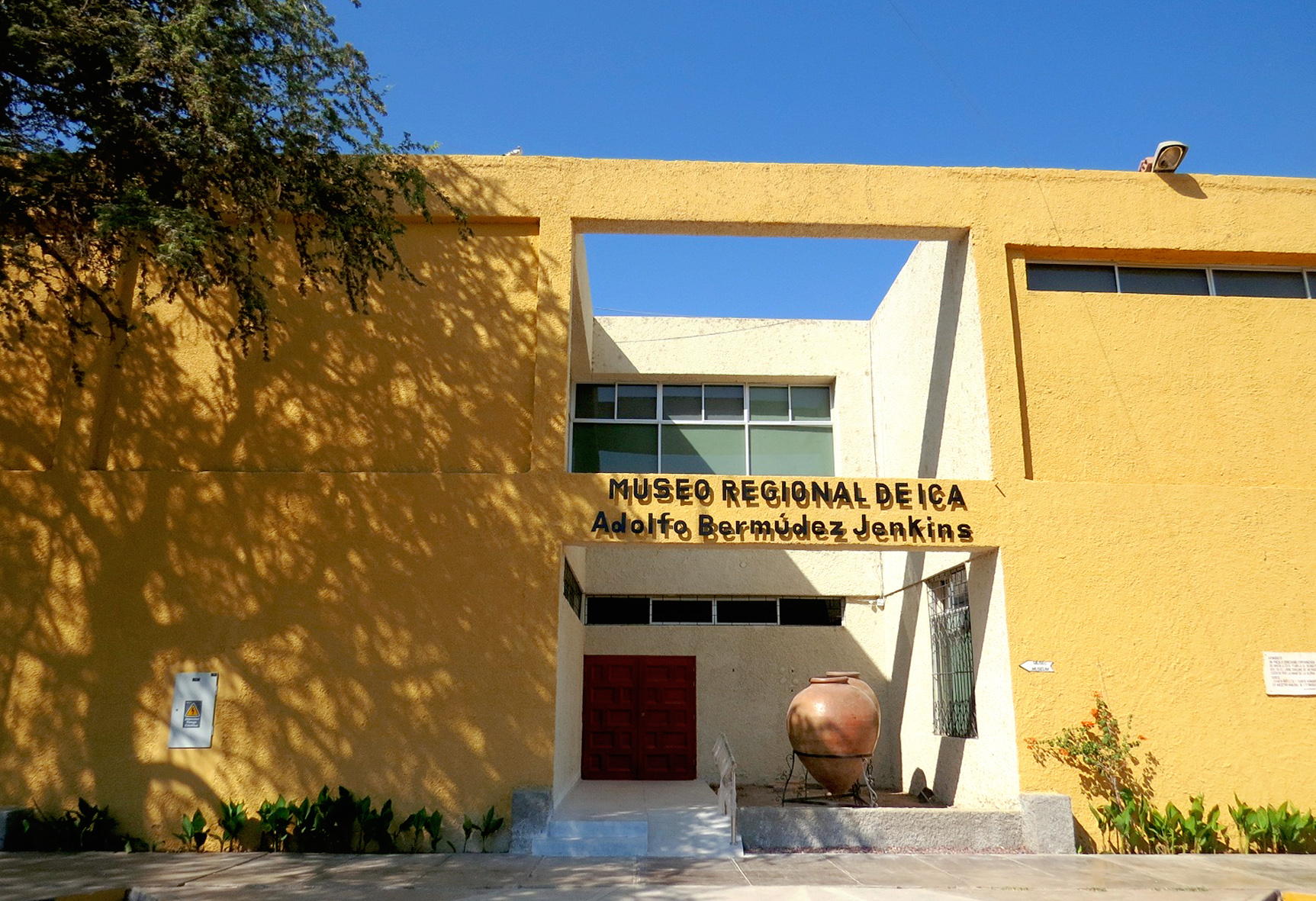
 Once you finish this tour you will have to go back to Paracas bus station to start your bus trip to Ica. Once again I suggest you to go with Cruz el Sur. There’s nothing better to relax a bit after the boat ride during the 1 hour and half bus ride from Paracas to Ica. Before starting your Ica city tour I would advise you to grab some lunch, food and wine are delicious in Ica region, so you have plenty of choices. A very good spot to have lunch is the Las Dunas Hotel, just that you know. During the Ica city tour you will have the chance to visit downtown Ica and the places nearby, then I suggest to make a stop at the Regional Museum, where you can see archeological artifacts from prehistorical to colonial eras, as potteries, textils, mummies, among others. They are all objects from the ancient civilizations who occupied the area: Paracas, Nasca, Wari, Ica – Chincha and Inca.
 After the visit to the city main spots you can also drop by one of the vineyards located in the area. Do not forget that Ica region is where the majority of Peruvian wines and Piscos are produced. You will have the chance to learn how the Peruvian national spirit, Pisco, is produced, learn about the different types of Pisco and of course you will be able to taste them, as well as the wine produced in the area. The virieties depends on the different kinds of grape used in the elaboration process.
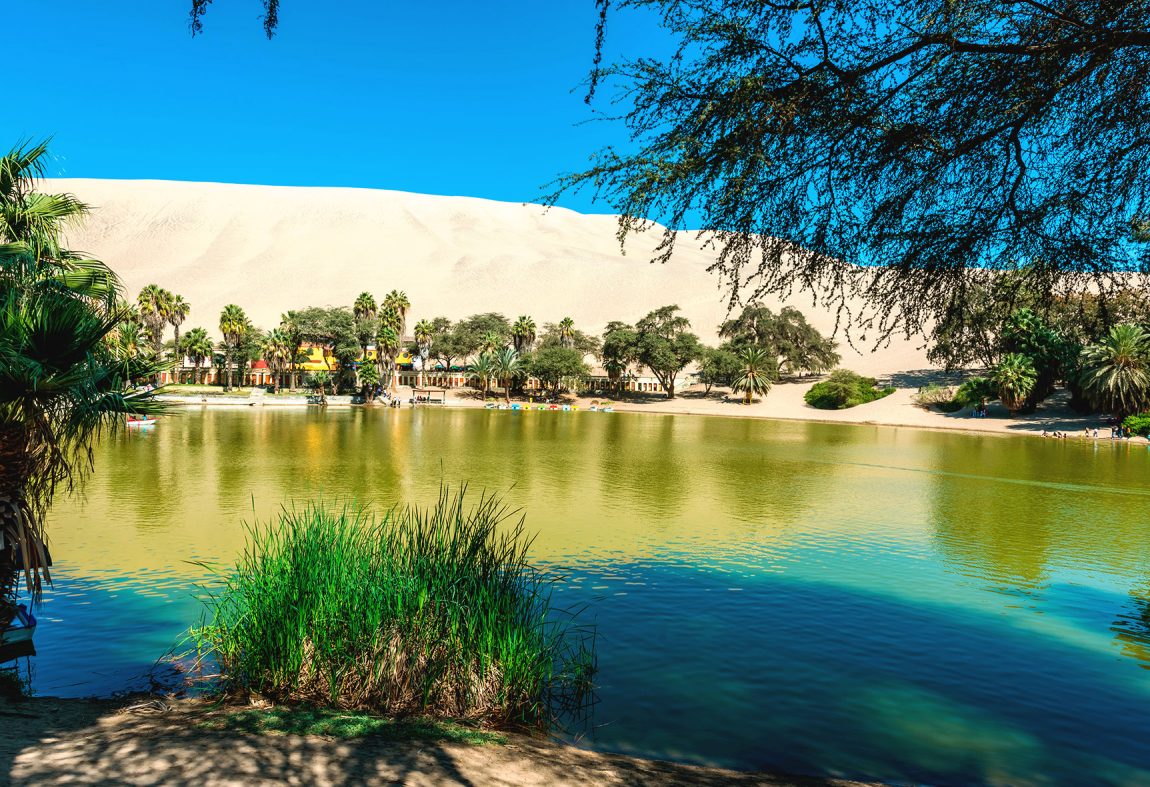
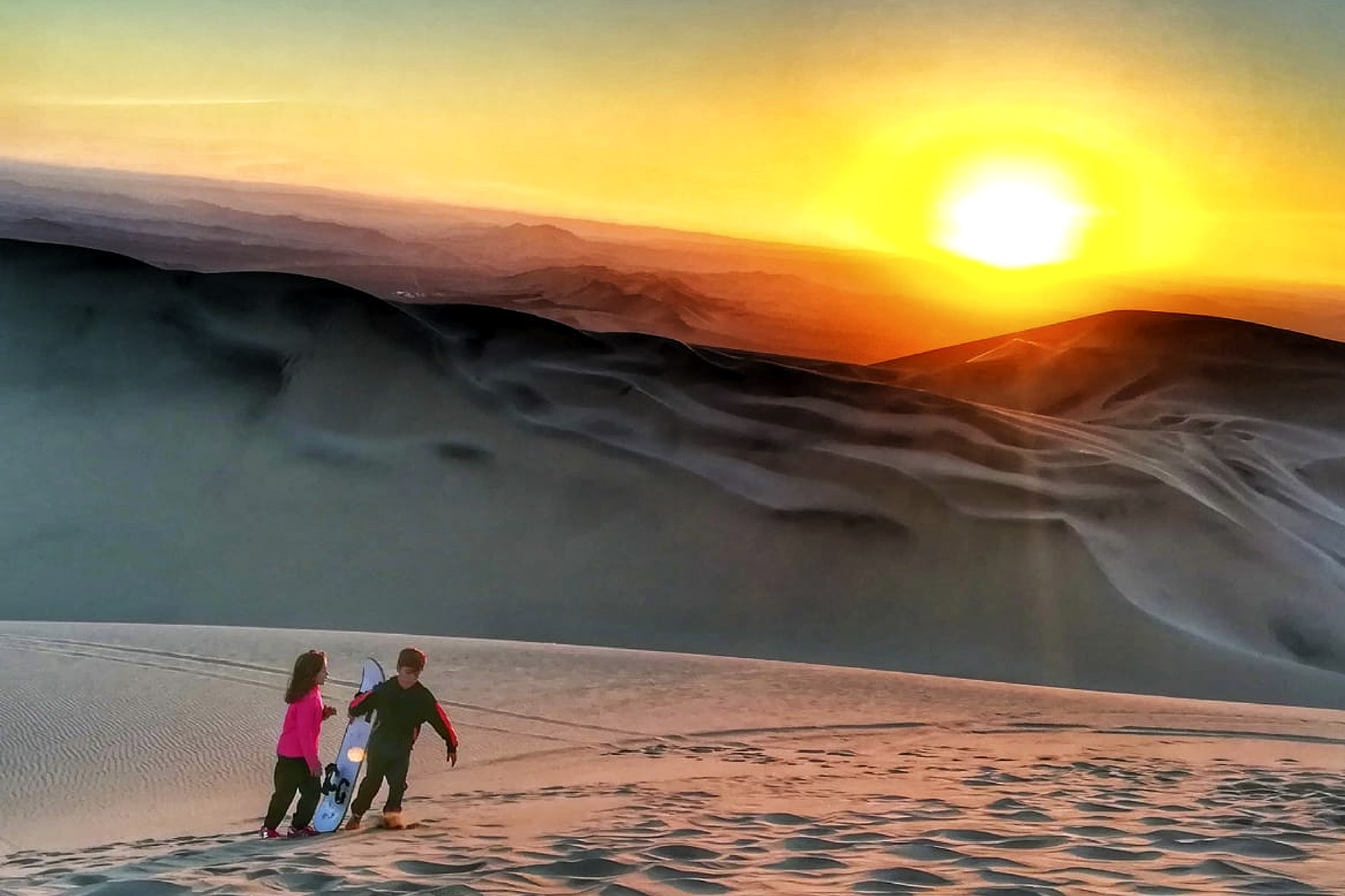
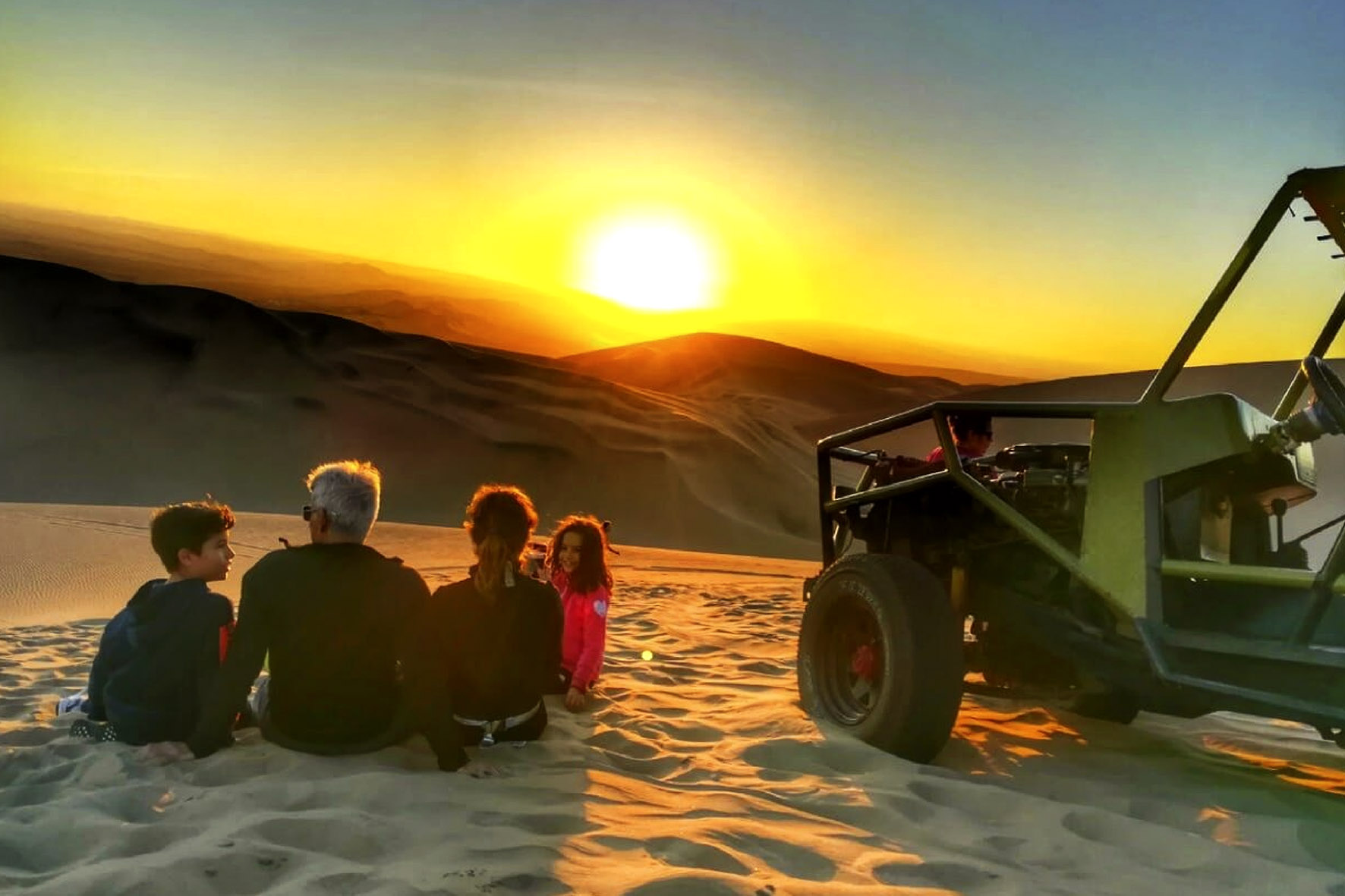
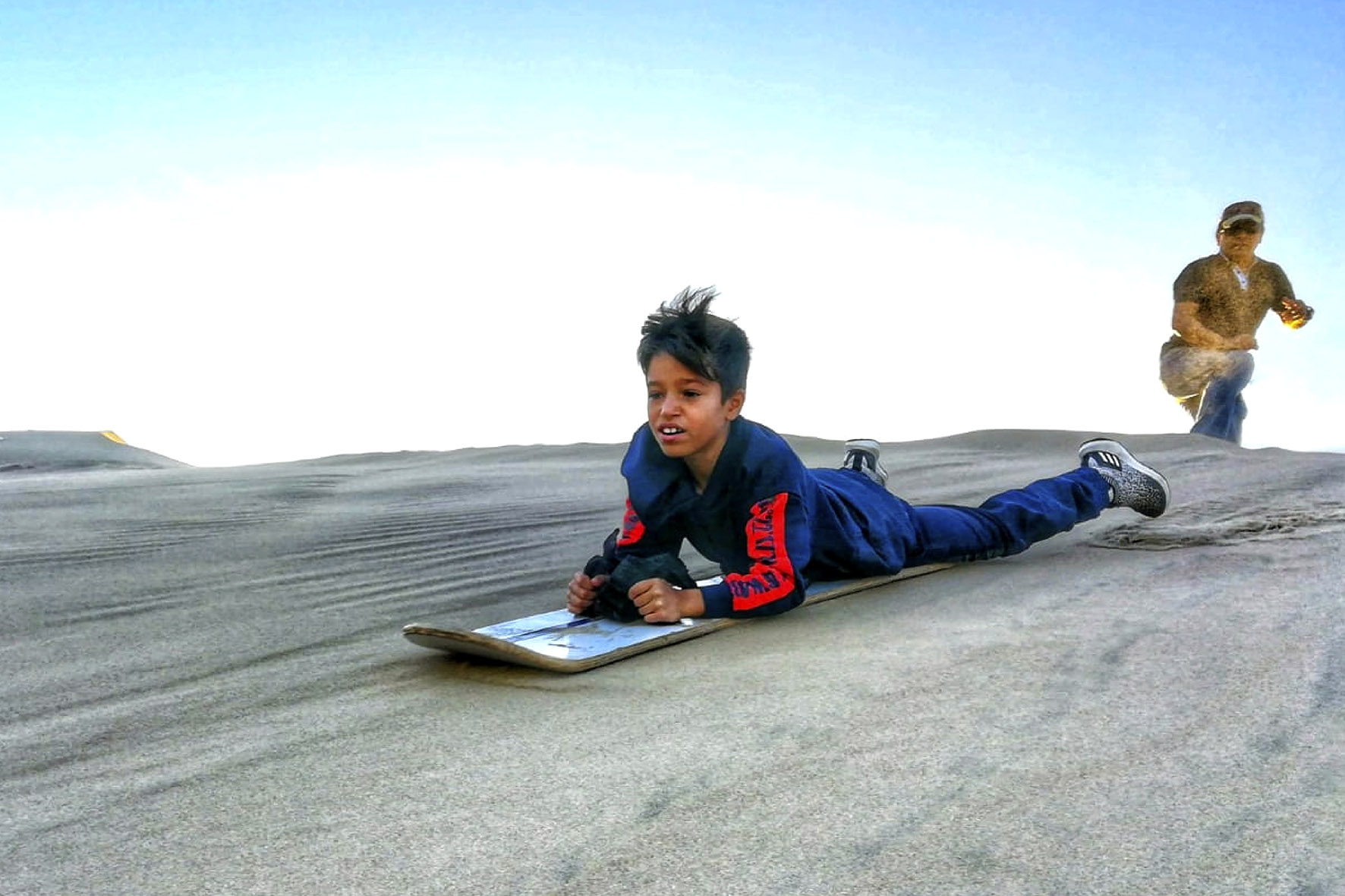 At the end of the day you will visit The Huacachina Lagoon, also called «El Oasis de America”, there you will enjoy a beautiful view and a sunny landscapes, which are very hard to forget. Take a good camara, since during this long day you will have the opportunity to take some great shots. The oasis is surrounded by sand dunes, palms, huarango trees and beautiful houses. In the oasis you can choose to simply relax and enjoy the sun and the stunning landscape or if you are into active holidays you can try the dune buggies activity and the sandboarding. Before jumping on the buggy make sure that you are with a professional driver. You will basically go up and down the dunes with the buggy and it is a lot of fun. If you are traveling with kids, Huacachina is the place to go, they will enjoy themselves a lot there. You can also try sandboard, which is a very common activity in the area. It is like the snowboarding but it is done on the sand, so if you fall down, i twill be on the sand … how amazing!
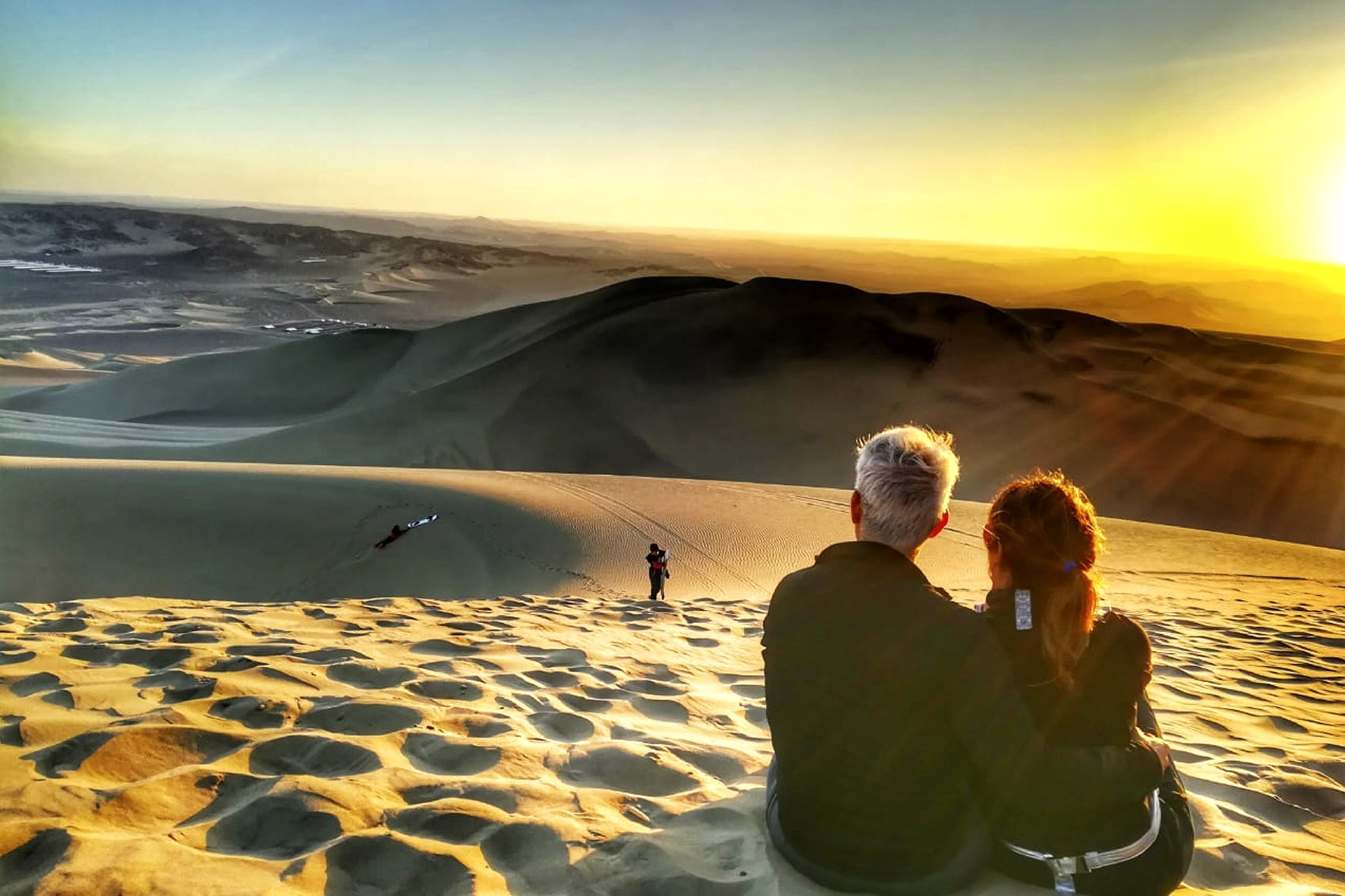 At the end of this long day, you can just overnight in Huacachina and enjoy an additional half day there, which is highly reccommended, especially if you are traveling with kids, but if you prefer you can also take the night bus back to Lima. Another possibility is that you take the bus to Nazca, sleep there so that you can fly over the Nazca lines very early the next morning. These are options that I can suggest you if you are planning to spend 4-5 days in Lima, this is a great plan for a day or a two-day trip to escape Lima’s caos.