Browsing Tag:

Peru

Peru Destinations Travel Travel Tips

The Ultimate Guide to Peruvian Slang – Part 2

A couple of weeks ago we posted an article on Peruvian slang, but we have so many other words, sayings and slang expressions often used by Peruvians that we would like to share with you. Just to start from the real beginning the word “jerga” refers to these slang words.

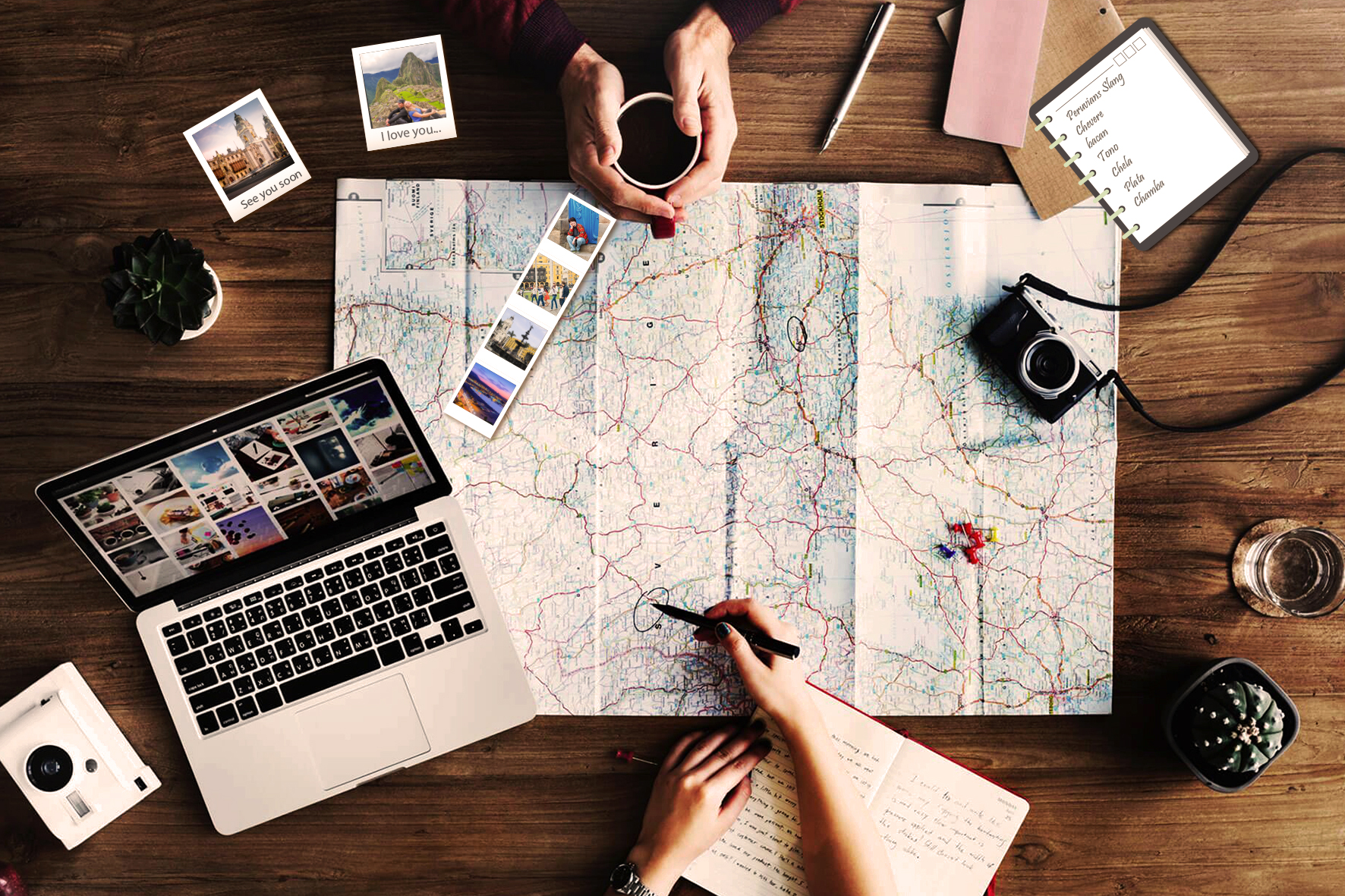
We think about these articles as a guide for you while walking the streets of Lima, Cusco or any other destinations and trying to talk and comunicate with locals. These are words that you will easily heard throughout the country. We tried to select the most useful expressions a traveler could bump into while visiting Peru.

  • Jama/Jamear: This word is used to refer to “food”, also used as a verb “to go to eat”. So you will listen to the expression “vamos a jamear”, which literally means “let’s go eating”.

  • Chancha: This word literally refers to a female pig, but it is used by Peruvians to the act of splitting the bill between friends. So you might listen to the expression: “hacemos chancha” or “hacemos chanchita”, which means “let’s split the bill”. Remember this saying if you are invited out for dinner or a drink by locals.
  • Huevón: The word can be used among friends with the meaning of “dude”, “buddy”, “guy”, but be careful that sometimes can be a bit insulting, especially when used in third person.

  • Porfa: this is a shorten version of the expression “por favor”. It is extremely common to hear this word. Formality is a very important part of the Peruvian manner of speaking.
  • Roche: this word means “shame”, you will hear the expression ¡Qué roche! quite often, which means “What a shame!”. If a couple is arguing in the street for instance or if someone is totally drunk, you can use this expression.
  • Bamba: this means that something is fake, so if you are at the street market and your Peruvian friend says “Esto es bamba!” means that “the item is fake”, so do not buy it. Keep an ear open for this word when you are shopping at local street markets!
  • Jato: the word means “house”, so you will listen to “te veo en mi jato”, which literally means “I’ll see you at my house” or “estoy en mi jato”, which means “I’m at home”.
  • Grifo: the word litterally means tap, but in Peruvian slang means gas station. So, if you listen to the expression “Encuentras la tienda pasando el grifo”, means “You’ll find the store after the gas station”.

  • Huasca: the expression “Estás huasca” means “You’ re wasted”, so if you or someone else drink too much it is very common to say that.


  • ¡Ya fuiste!: if you listen to this saying is because you miss your shot, you miss an opportunity. If you are late for a tour for example, or for the bus you can listen a local saying ¡Ya fuiste!.

If you are traveling to Peru for a month or more or even if you are spending here just few days, learning a bit of local lingo will definitely help you out! If you are a person who loves getting in touch with locals is even better to have a sense of what these words mean and probably learning these words will open the door to new experiences during your stay in Peru.


Peru Peru Destinations Sin categoría Travel Tips What to do

The Best Dining Experiences in Lima For Travel Foodie

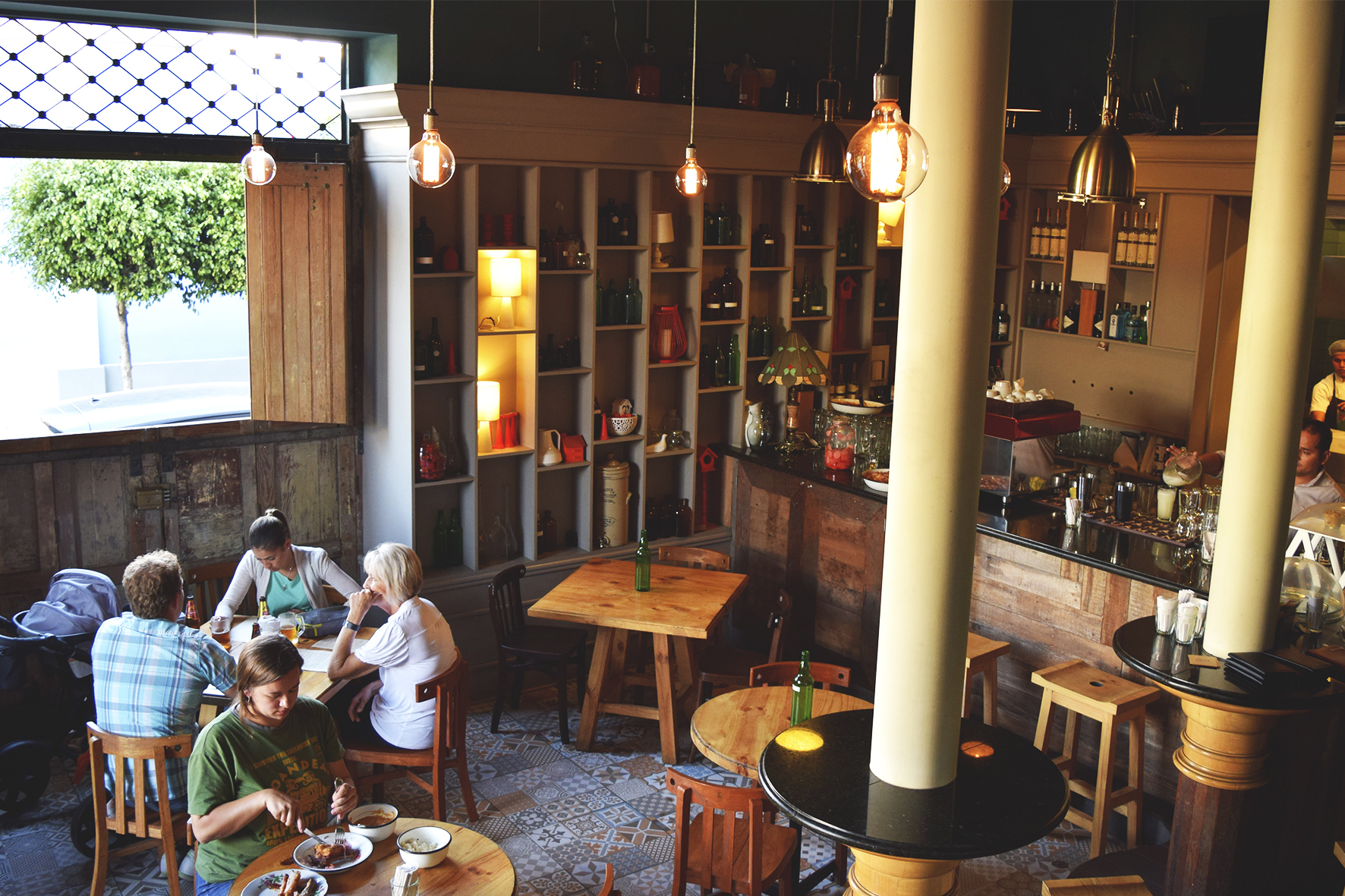
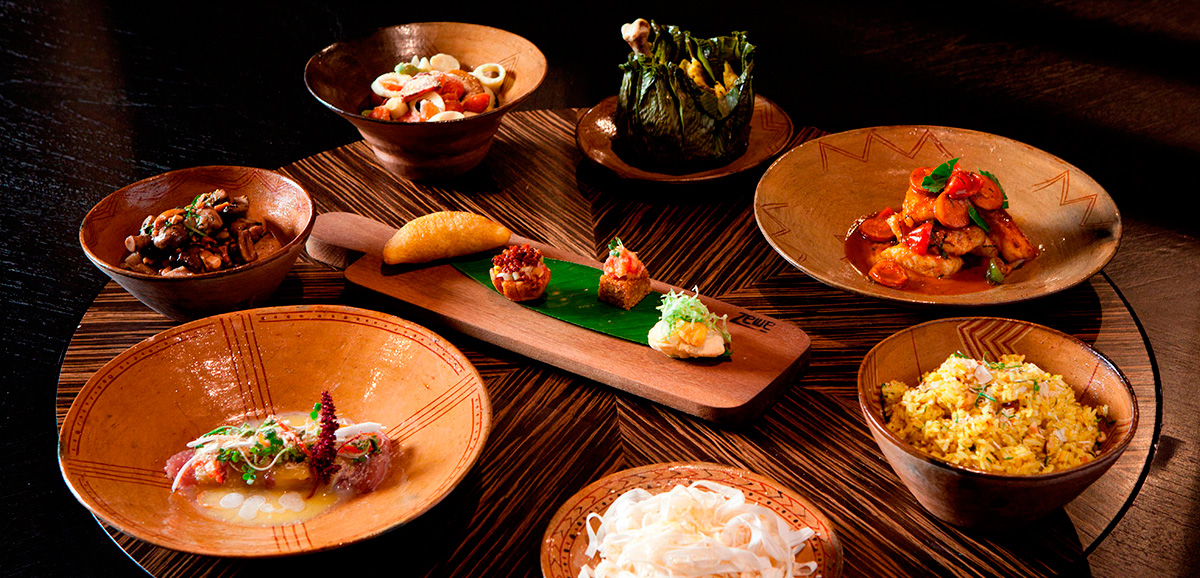
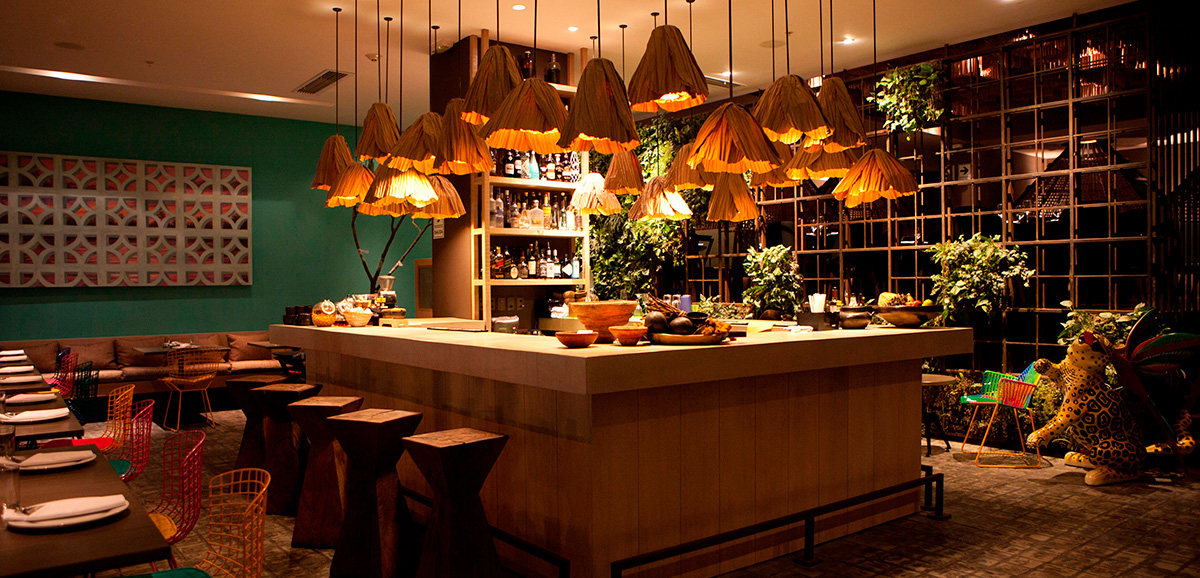
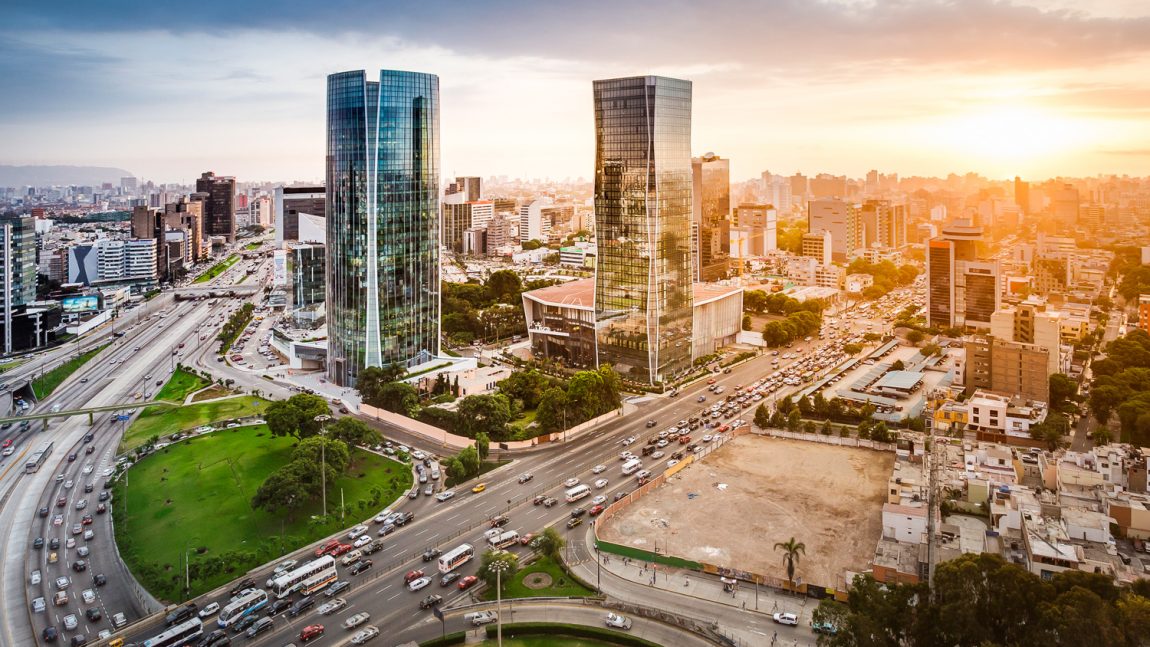
Lima has been considered one of the foodie capital since the second decade of the XXI century! The capital city offers many exciting culinary experiences and culinary stops that you cannot miss while in Peru, so as we always suggest a 2-day visit to Lima is something you should definitely include in your Peru’s itinerary. You can opt to spend a couple of days in Lima on your way to Cusco and Machu Picchu or on your way back, this is totally up to you. But if you stop in the capial city, be prepared to enjoy some of the best and most delicious food in the world and a very pleasant and relaxing time in this vibrant city. 

We tried to put together a list of culinary experiences you cannot miss, among our recommendations there are fine dining restaurants, huarique restaurants where you can taste traditional food and also a stop at the local market food stalls. So it is pretty much a mix of different experiences, ideal for every kind of traveller. 

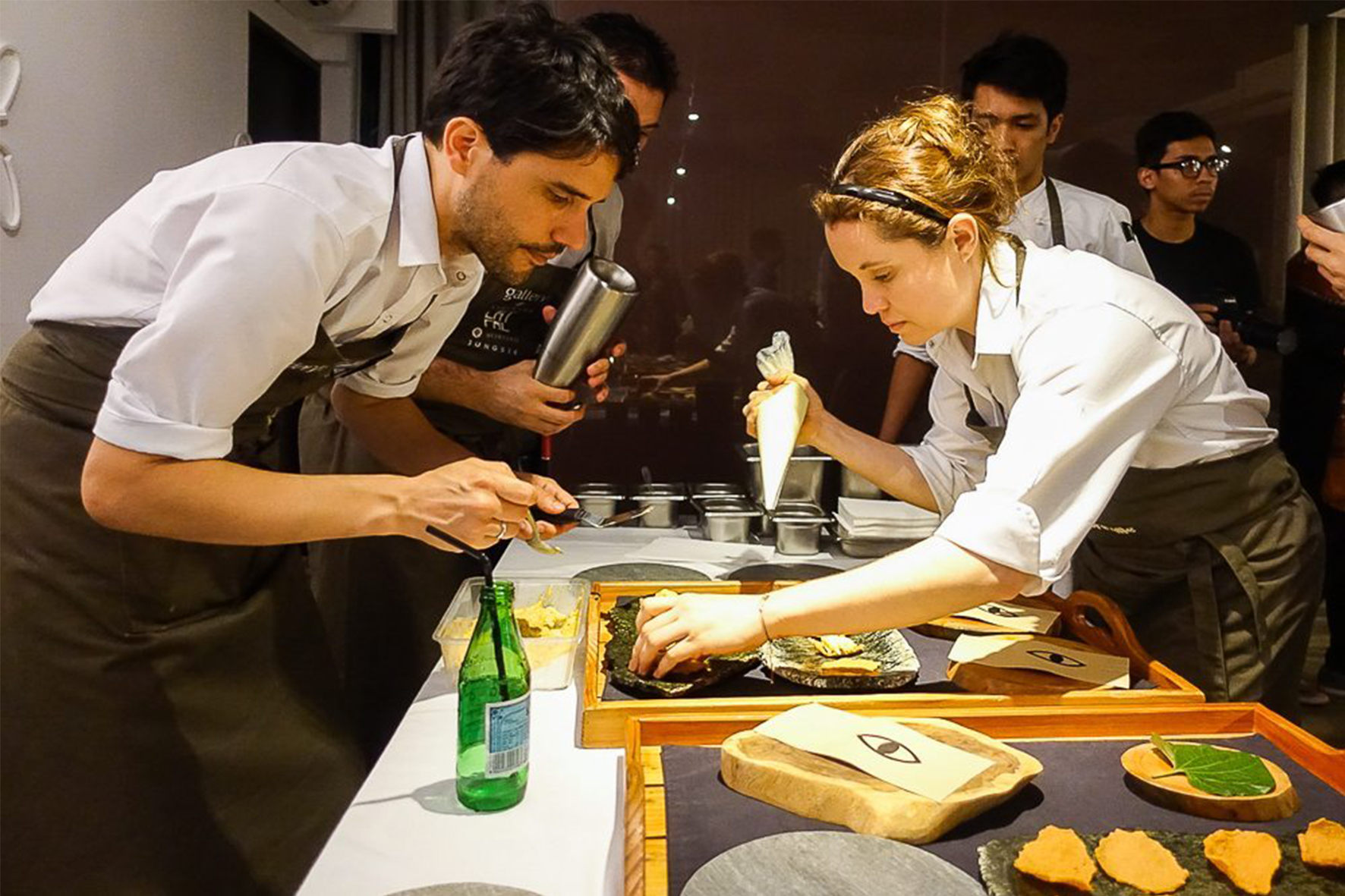
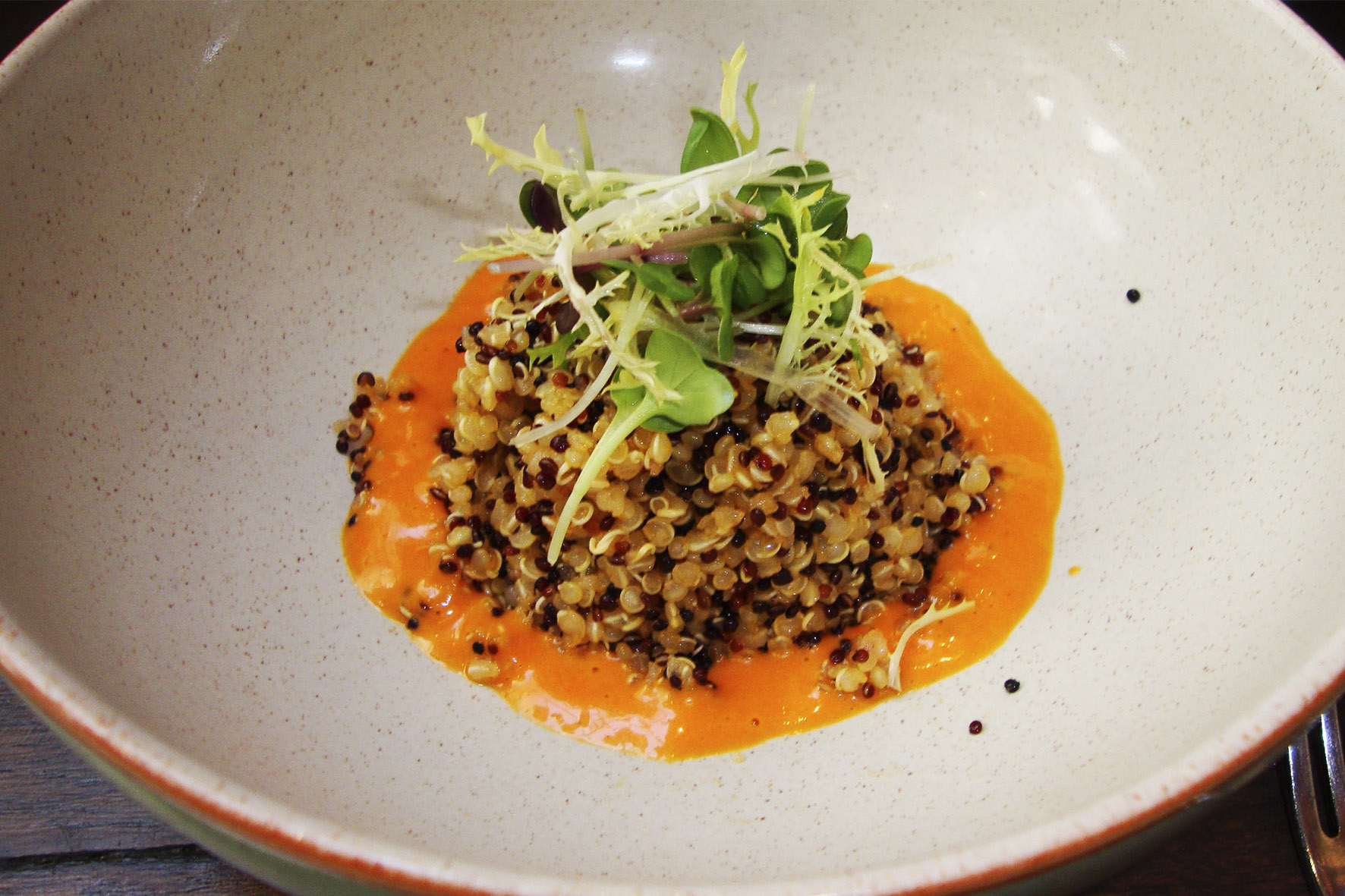
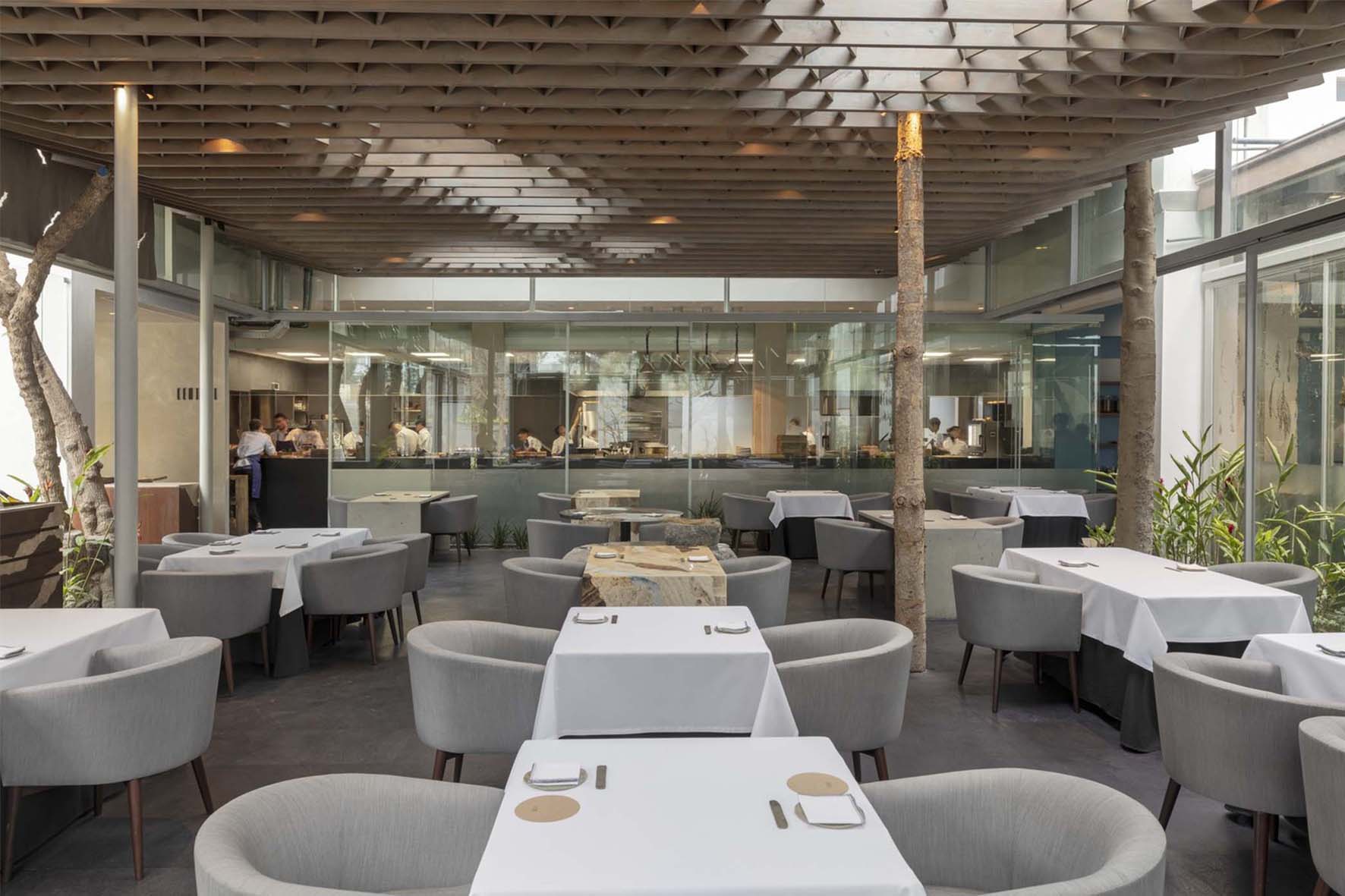
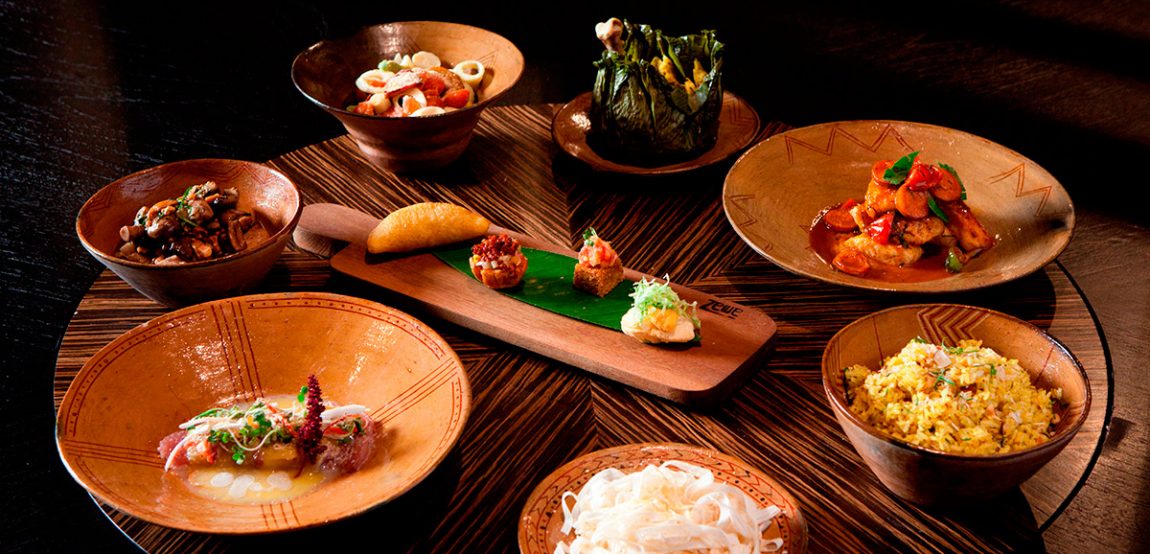
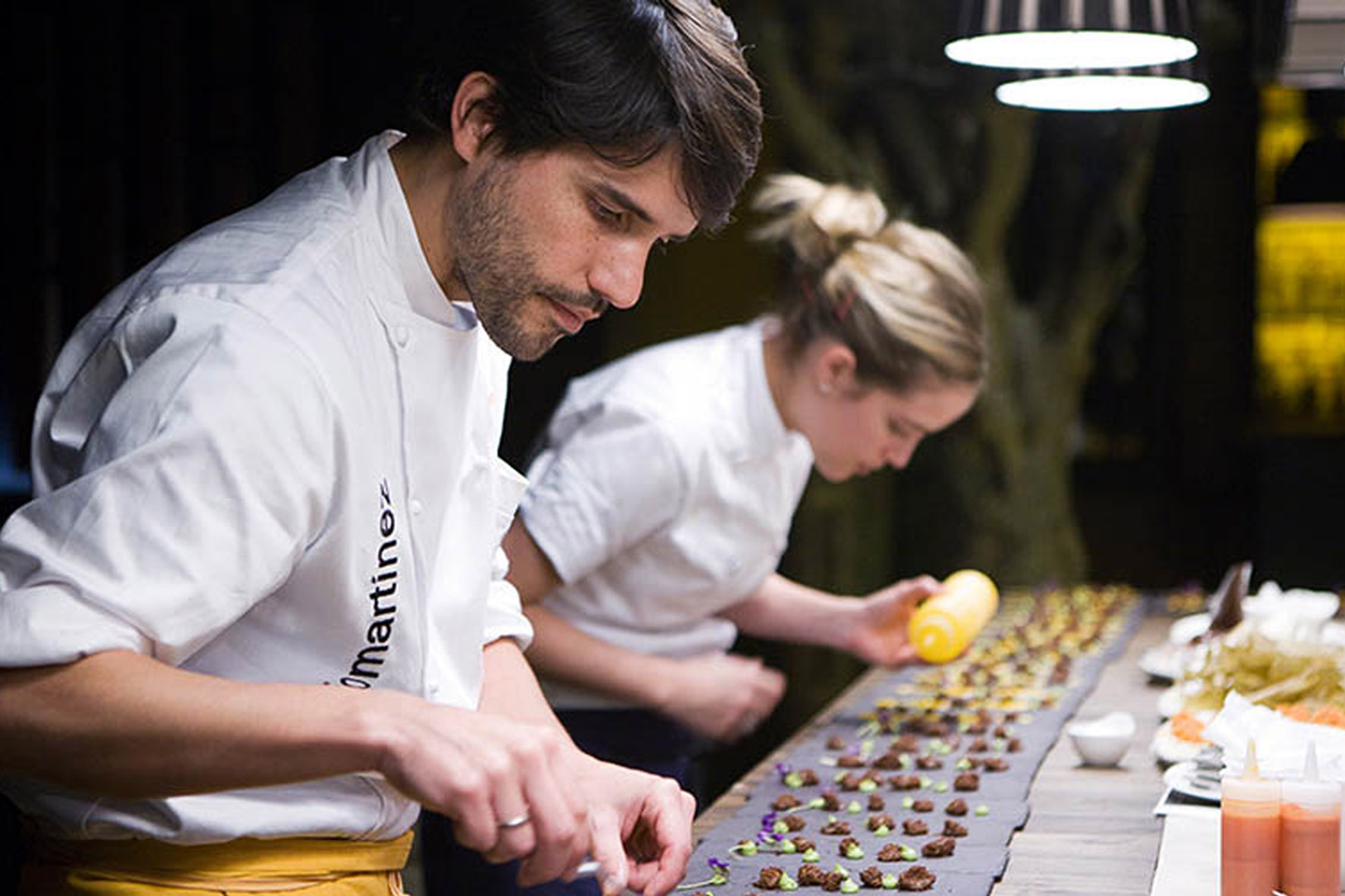
  • Central Restaurant: this is a mandatory stop if yu are a real travel foodie. Central Restaurant by the popular Peruvian Chef Virgilio Martinez, has been awarded as the second best restaurant in Latin America during the 2018 Latin America’s Best Restaurants Awards sponsored by San Pellegrino and Acqua Panna and the sixth best restaurant in the 2018 World’s Best Restaurants List. The tasting menu they porpose is a combination of ancestral Peruvian ingredients from the coastal, mountain and rainforest regions of the country. The restaurant is located in the Barranco district, be aware that it is extremely difficult to find a table, so book and pay for the experience in advance. 

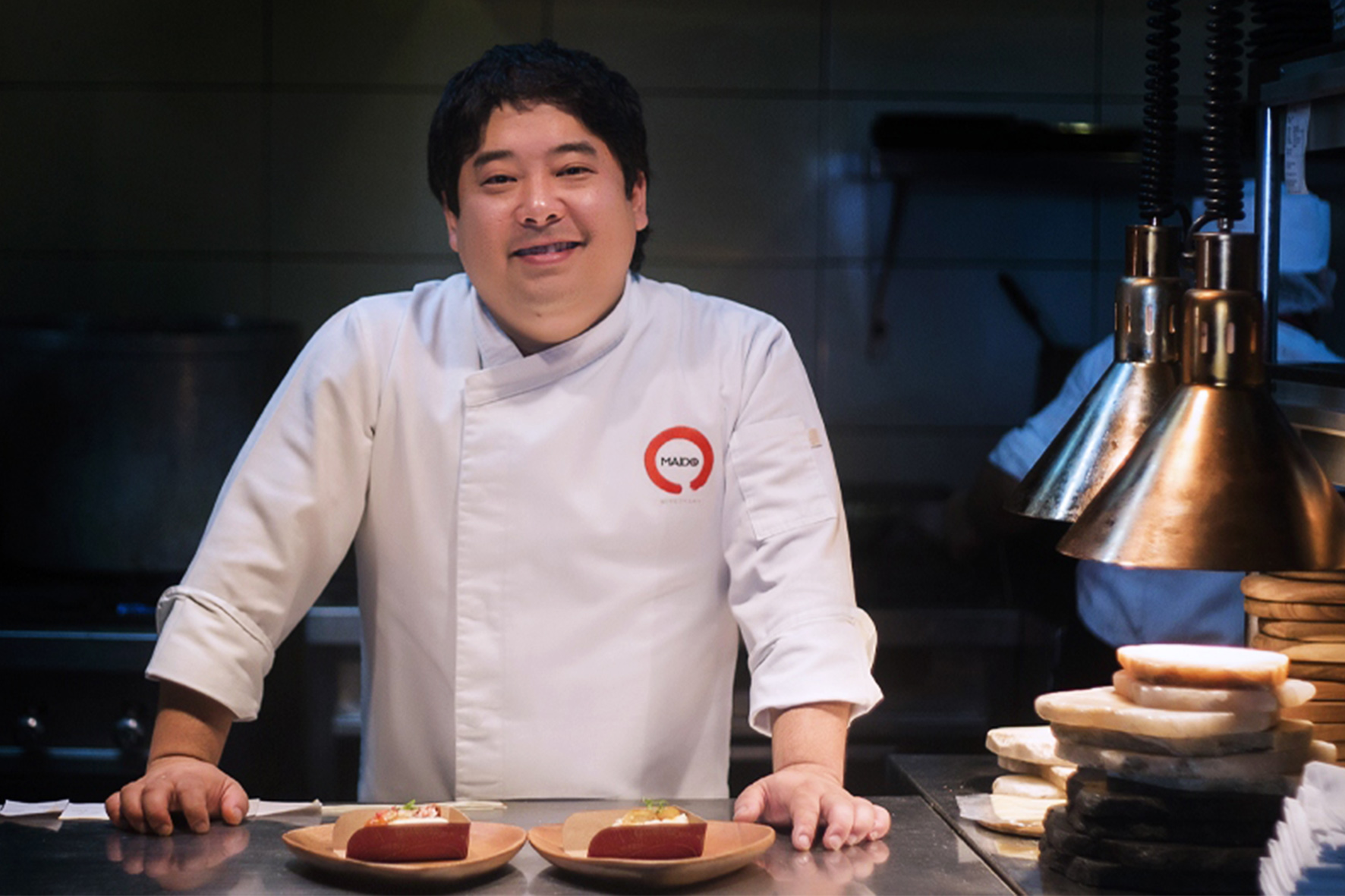
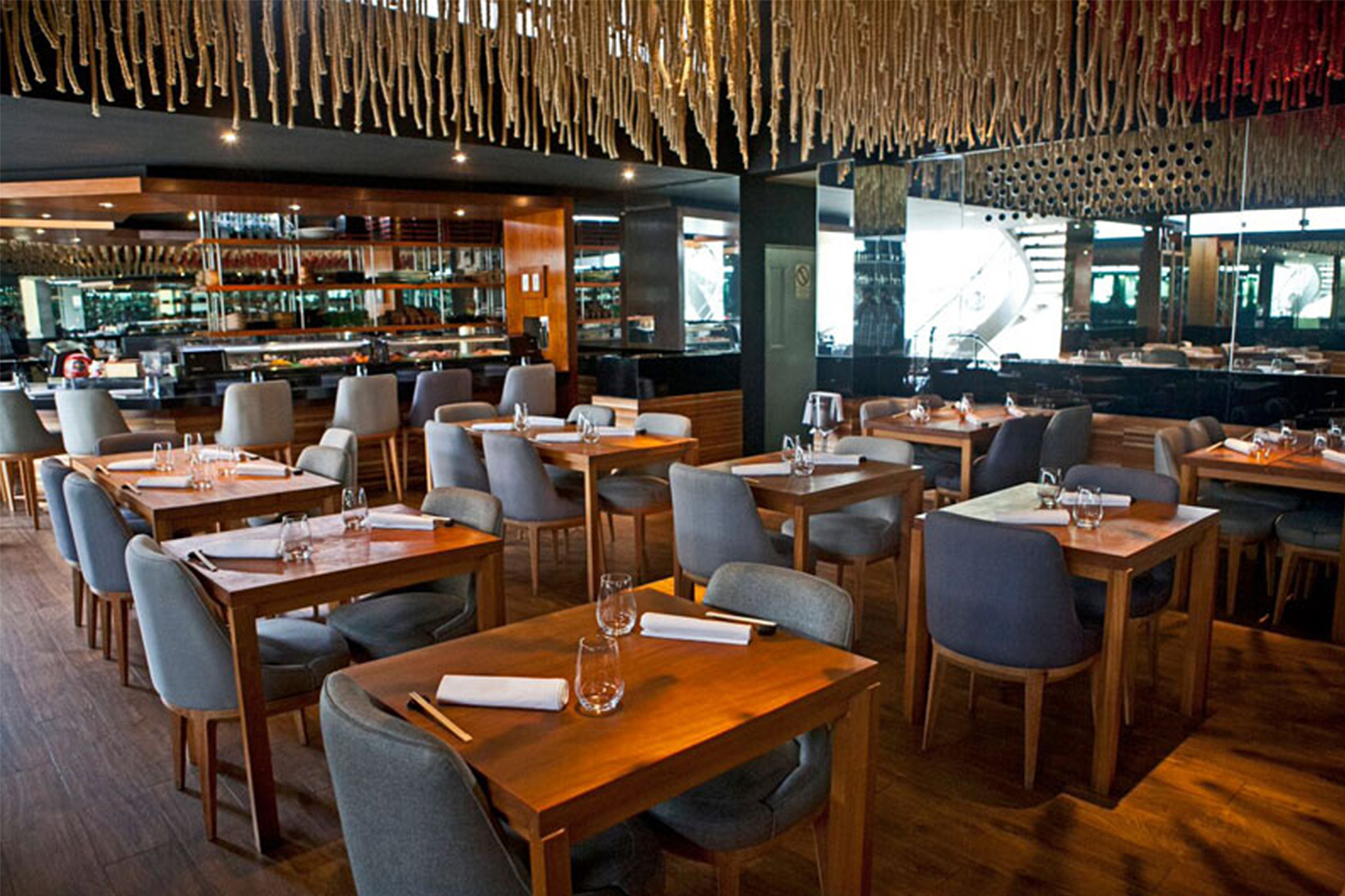
  • Maido Restaurant: this is also a fine dining experience you cannot miss while in Lima. The Restaurant has been considered the “Nikkei Temple”, it has been appointed the best restaurant in Latin America in the San Pellegrino and Acqua Panna List for two years in a row (2017 and 2018) and it is also in the 7th position in the World’s Best Restaurants List. The chef-owner, Mitsuharu Maido, is the “King of Nikkei”, a cuisine style which mixes Peruvian and Japanese basic tequniques. The result is an explosion of flavors, you will definitely enjoy this amazing flavors journey thorughout Peru and Japan. In this case as well, we suggest to book in advance your table. 

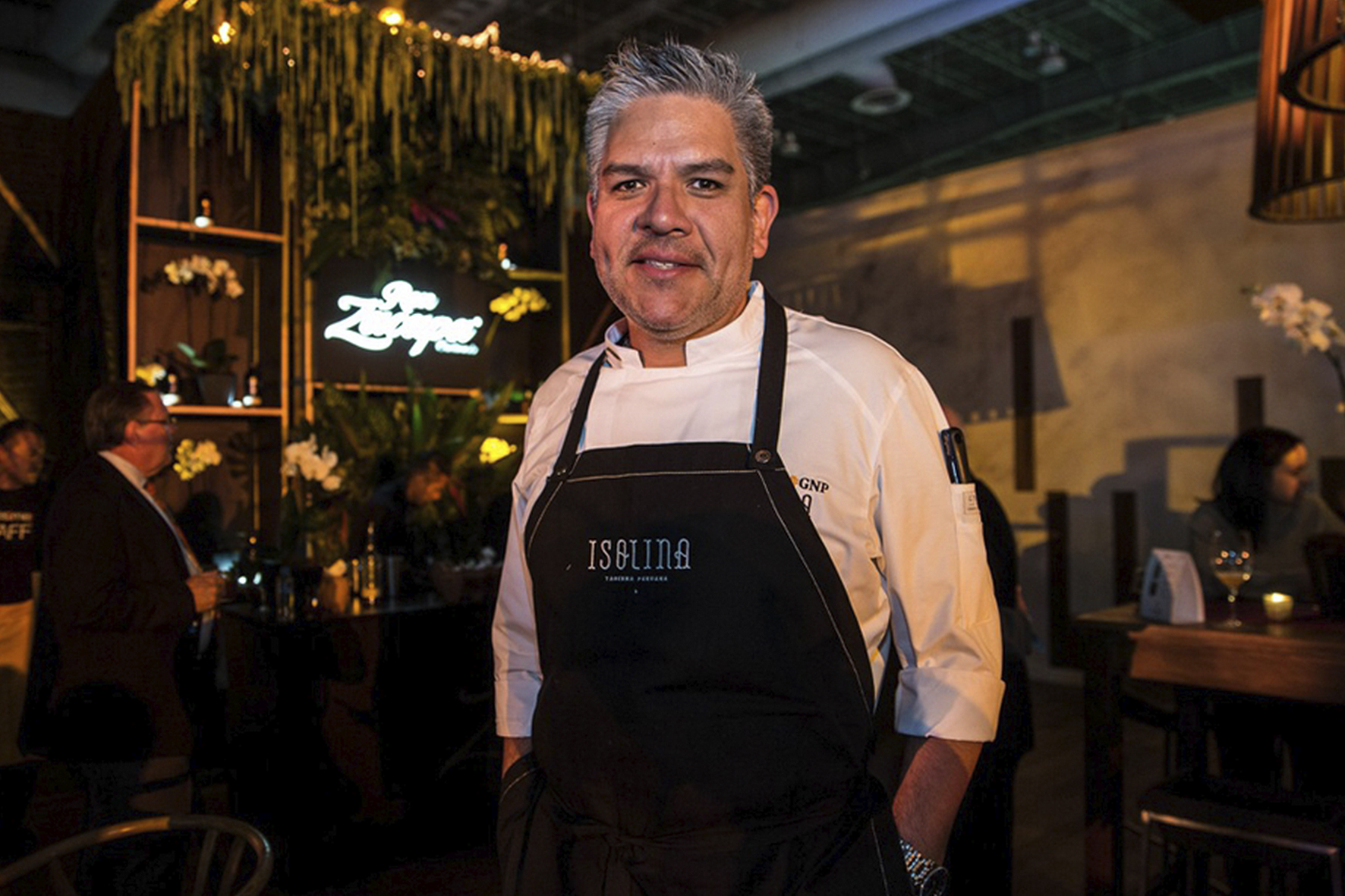
  • Isolina Tabern: The popular Peruvian chef José del Castillo has opened Isolina Tabern in the heart of the bohemian district of Barranco few years ago and the restaurant is already n. 13 in the 2018 Latin America’s Best Restaurant List. In this culinary spot you can enjoy dishes from the Peruvian culinary traditions, such as “asado de tiras”, “chicharrón”, “tallarines saltados”, “cau cau con sangrecita” among others. They mainly serve criollo dishes that represent Peruvian gastronomy at its best. If you are planning to go there for your Sunday lunch, be patient since the queue could be quite long.  

  • Kañete Restaurant: this is another culinary spot that we usually suggest to visitors. It is located in the Surquillo district, next to the famous Miraflores area. It is a “huarique” restaurant, which literally means a hidden/secret place, that no so many people are aware of. Here the Chef Israel Laura serves dishes from the Peruvian traditions and a great selection of seafood dishes as well. The well-known chef rescues recipes and ingredients from all over the country, making his menu a real reflection of Peruvian culture and traditions. 

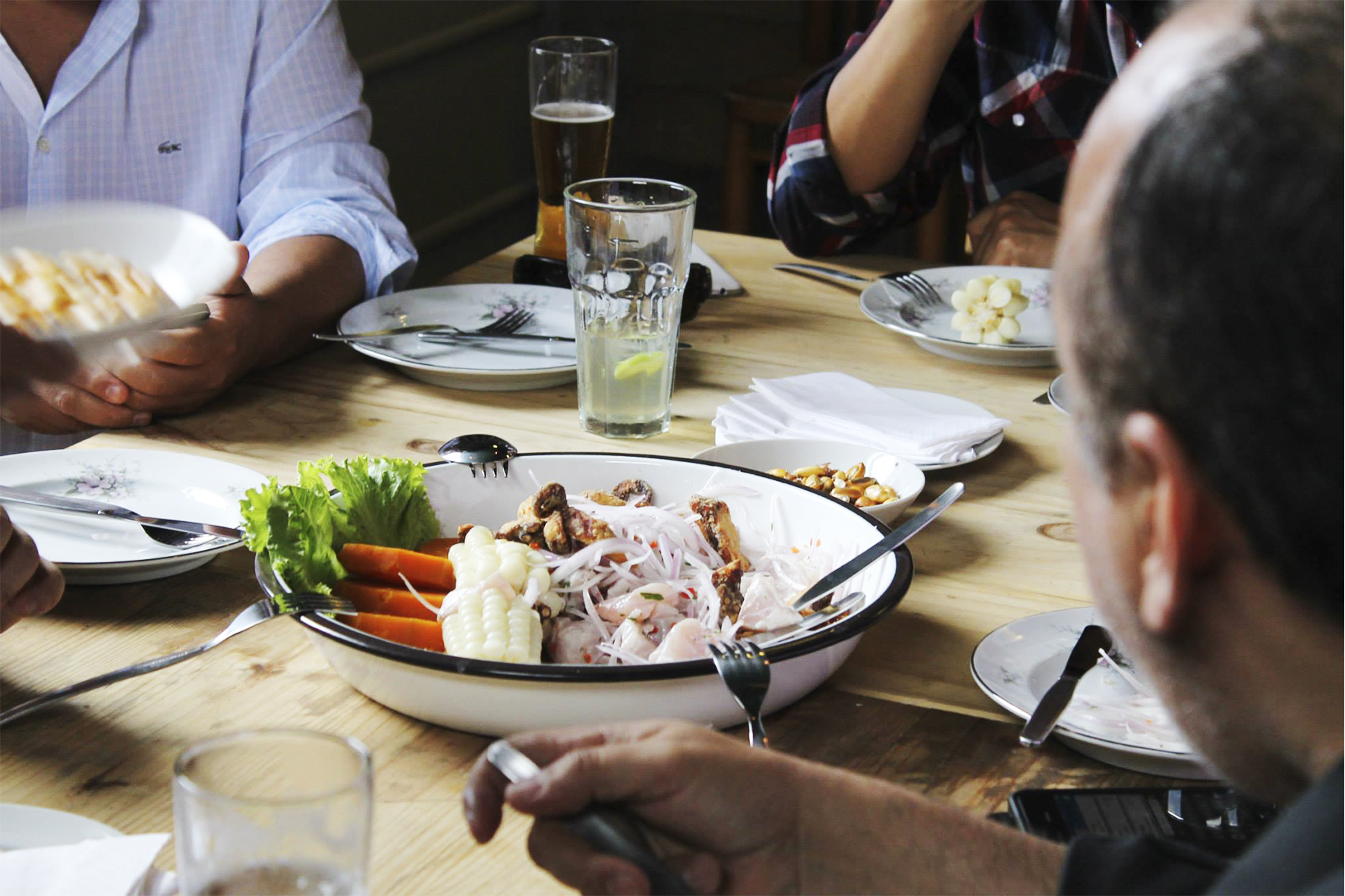
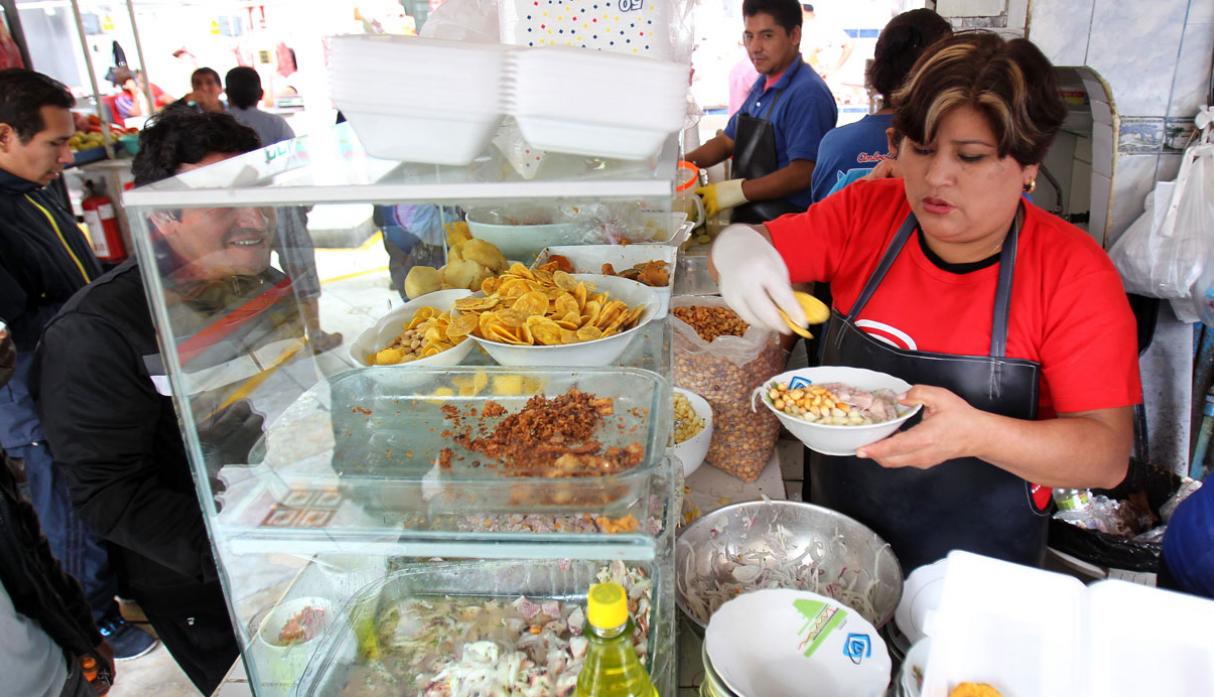
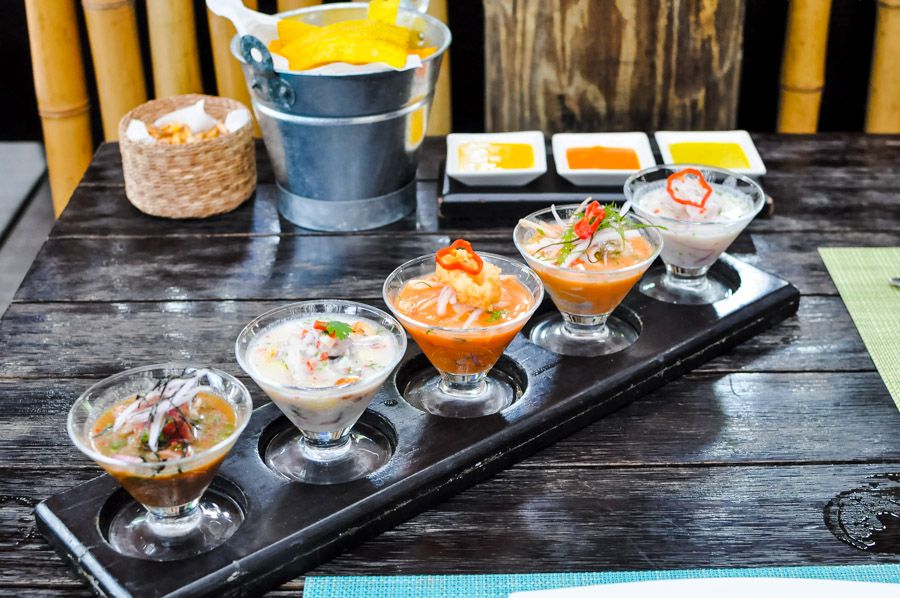
  • Market Food Stalls: if you want to go local and on a budget, pay a visit to the market n. 1 located between Miraflores and Surquillo districts, next to the Ricardo Palma Metropolitano stop. Inside the market you can find some of the greatest food stalls in Lima, where you can have delicious seafood, start from a “leche de tigre” (literally tiger milk) and keep trying a delicious “ceviche” or “jalea de pescado”. You will definitely have an idea of how a real peruvian ceviche should taste. 

  • La Mar Cebicheria: For a fancier “ceviche experience” try this restaurant located in Av. La Mar in Miraflores district, placed N° 17 in the 2018 Latin America’s Best Restaurants List by San Pellegrino and Acqua Panna. It is one of the best places to have fresh seafood cooked in a sublime way using the highest culinary tecnhiques, thanks to the talented Chef Gustavo Montestruque. The result is amizing dishes, happy clients and full bellies! What else you can ask for? Do not miss the opportunity to try a classic “ceviche”, you will not regret it! Please keep in mind that this is a no-reservations spot, and highly popular, so be prepared to queue, it is quite crowded especially at the week-end.

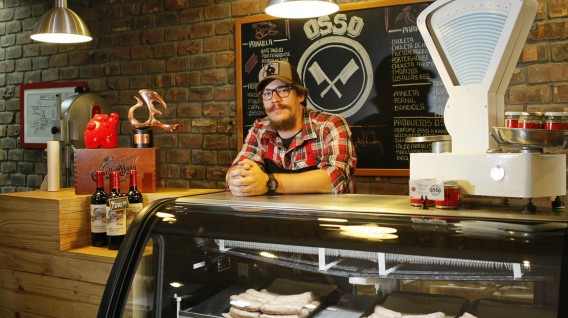
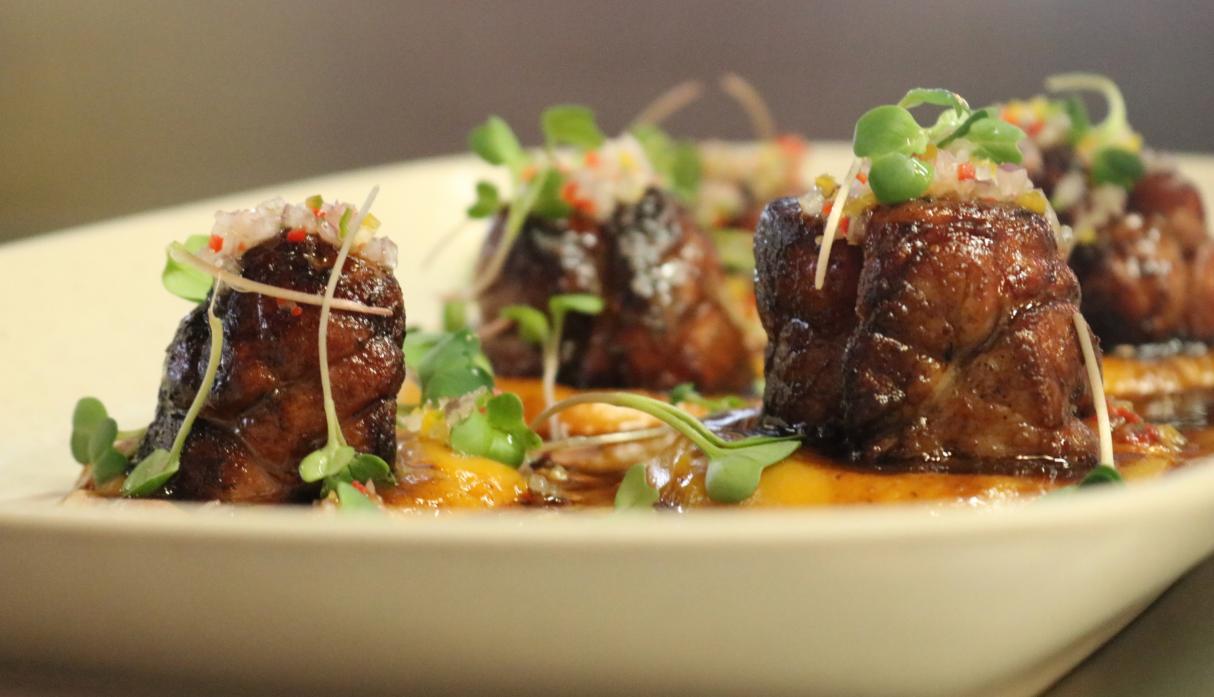
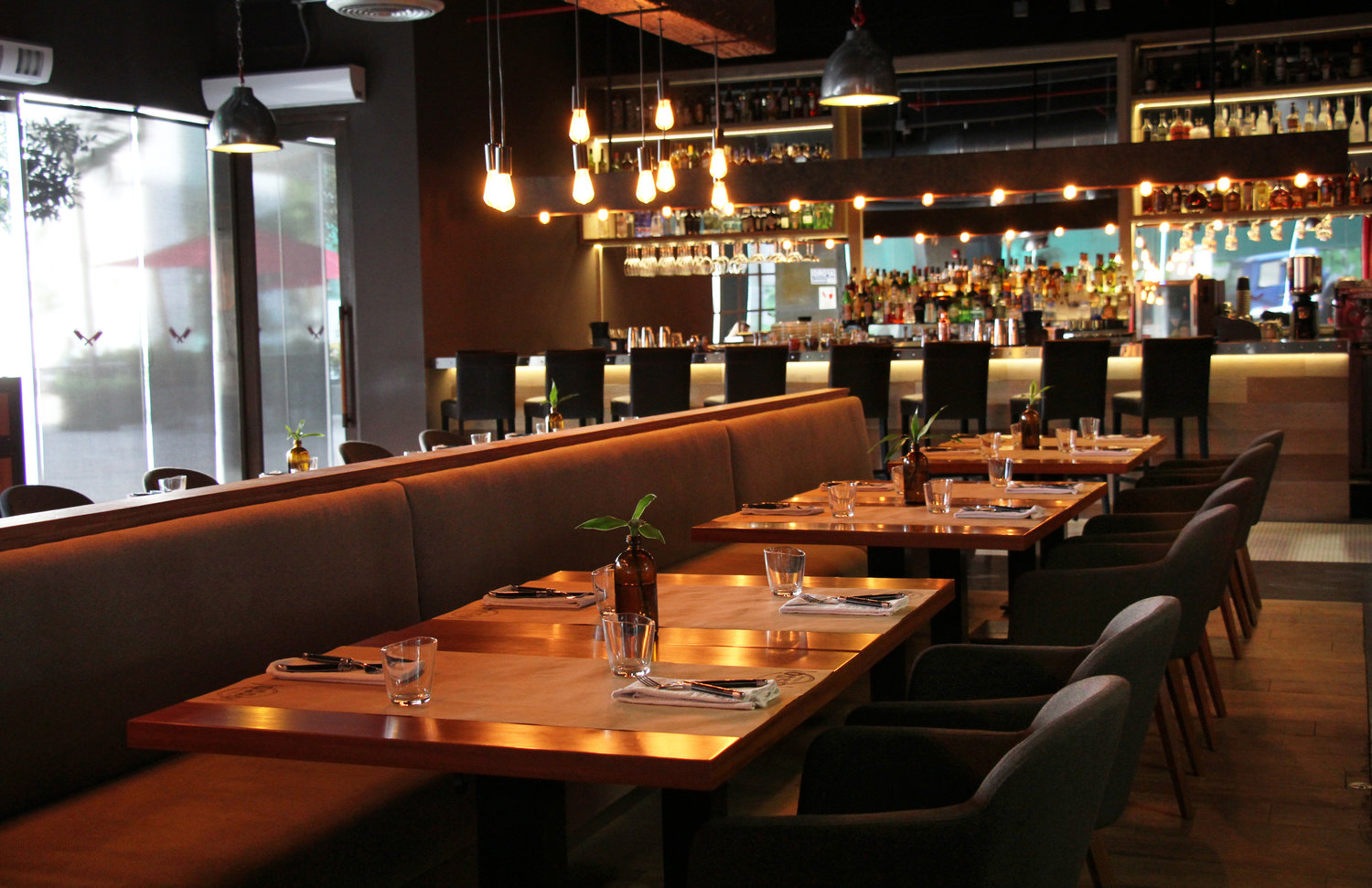
  • Osso Restaurant: this is a real “meat emporio”, managed by the Peruvian chef Renzo Garibaldi. If you are a meat person you cannot miss a visit to this restaurant/butcher’s shop in the heart of La Molina District. Try their artisanal hamburgers, their carpaccio and the dried meat. This culinary spot is n. 25 in the 2018 Latin America’s Best Restaurant List.

  • Amaz Restaurant: this is the temple of the Amazonian kitchen by the famous Peruvian Chef Pedro Miguel Schiaffino. The restaurant, placed at n. 48 in the Latin America’s Best restaurant List of 2018, serves dishes of the Peruvian Amazonian cuisine in the heart of the vibrant Miraflores district. Here you can find the popular “paiche” fish cooked in several ways, “juanes”, “chonta” salad sprinkled with Amazonian nuts, and other amazing flavors from the Peruvian rainforest. Also do not miss the special and delicious cocktails made of Amazon fruit.

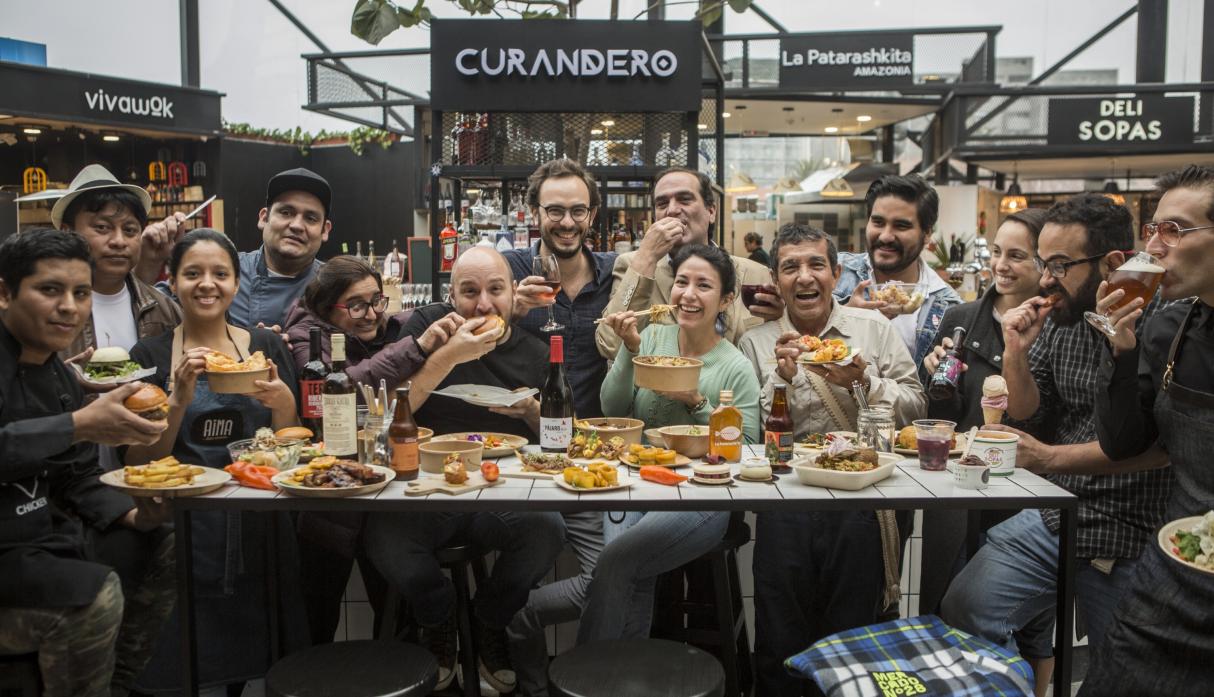
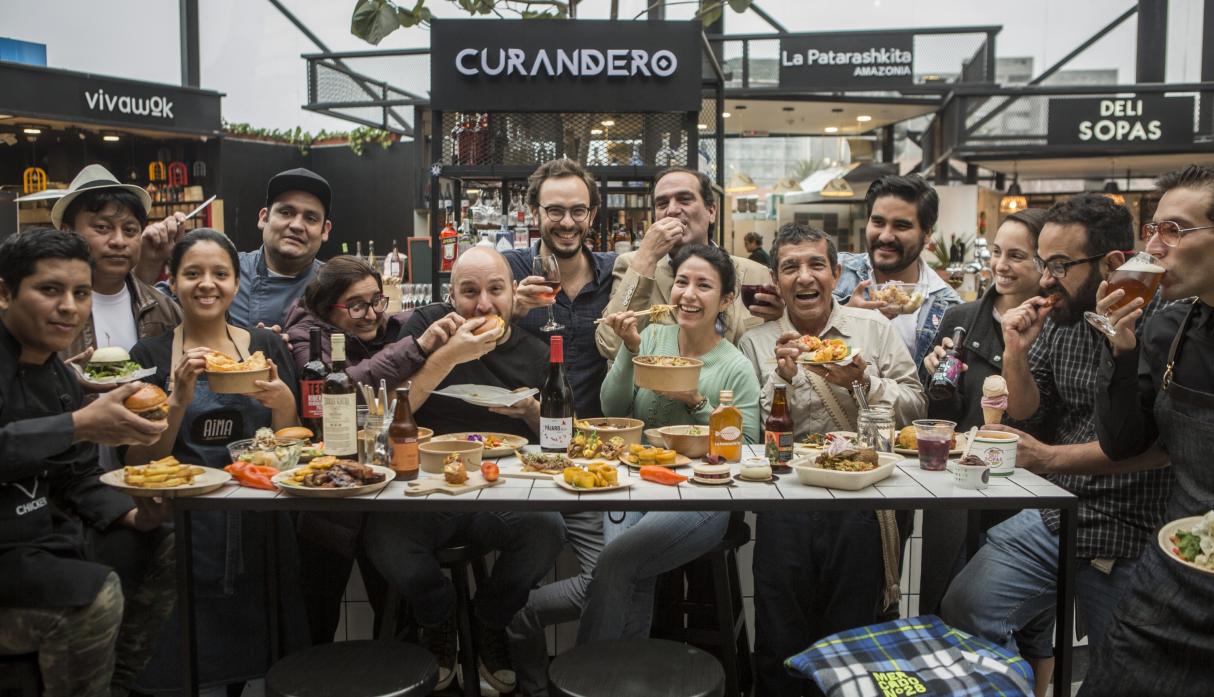
  • Mercado 28: we have already talked about this gourmet market where you will find different food stalls here: http://www.magicalcuzcotours.com/blog/best-places-to-visit-in-lima/. This is the first gourmet market in Peru, located in Av. 28 de Julio in the heart of Miraflores district. Here you can enjoy several kind of food, from Amazon food to criollo food or delicious sandwiches and fast-food style burgers. There are also several coffee and desserts/ice cream options. The best part is that you will have the opportunità to try several kind of cuisines in one place. Do not miss a stop here for a frugal lunch or a fun dinner while visiting Lima.

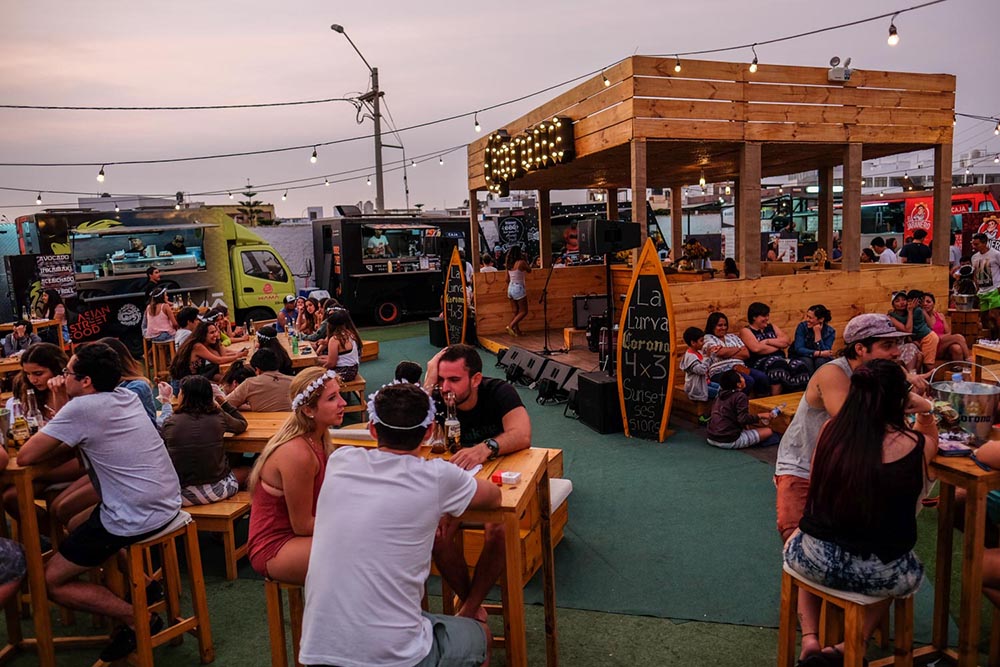
  • Truck Park: The park is located in Surquillo district and it is a nice experience for people who love food trucks-style cuisine. Here you will find special sandwiches and burgers, salchipapas, tasty french fries made with Peruvian native potatoes and all kind of fast food dishes along with Peruvian beers station. Sometimes there are also shows scheduled in the patio of the park.

 These are actually just few culinary recommendations in Lima, there will be more to come in the future, so stay tuned! 

Peru Peru Destinations Sin categoría Travel Travel Tips

Best Places to Visit in Lima

When you plan you Peru trip, the first thing you have in mind is going to Machu Picchu, this is actually normal and we sometimes struggle with our travelers to let them understand that Peru has a lot more to offer. Many travelers seem not to be very happy to spend a couple of days in Lima, there is a misconception that the capital city is pretty ugly and caotic and that there is anything to do and visit. Nothing can be more wrong!

Peru’s capital city has many different sites worth a visit and many activities you can include in your travel plans. Here we tried to make a list of our favourite spots and activities you cannot miss while in Lima:

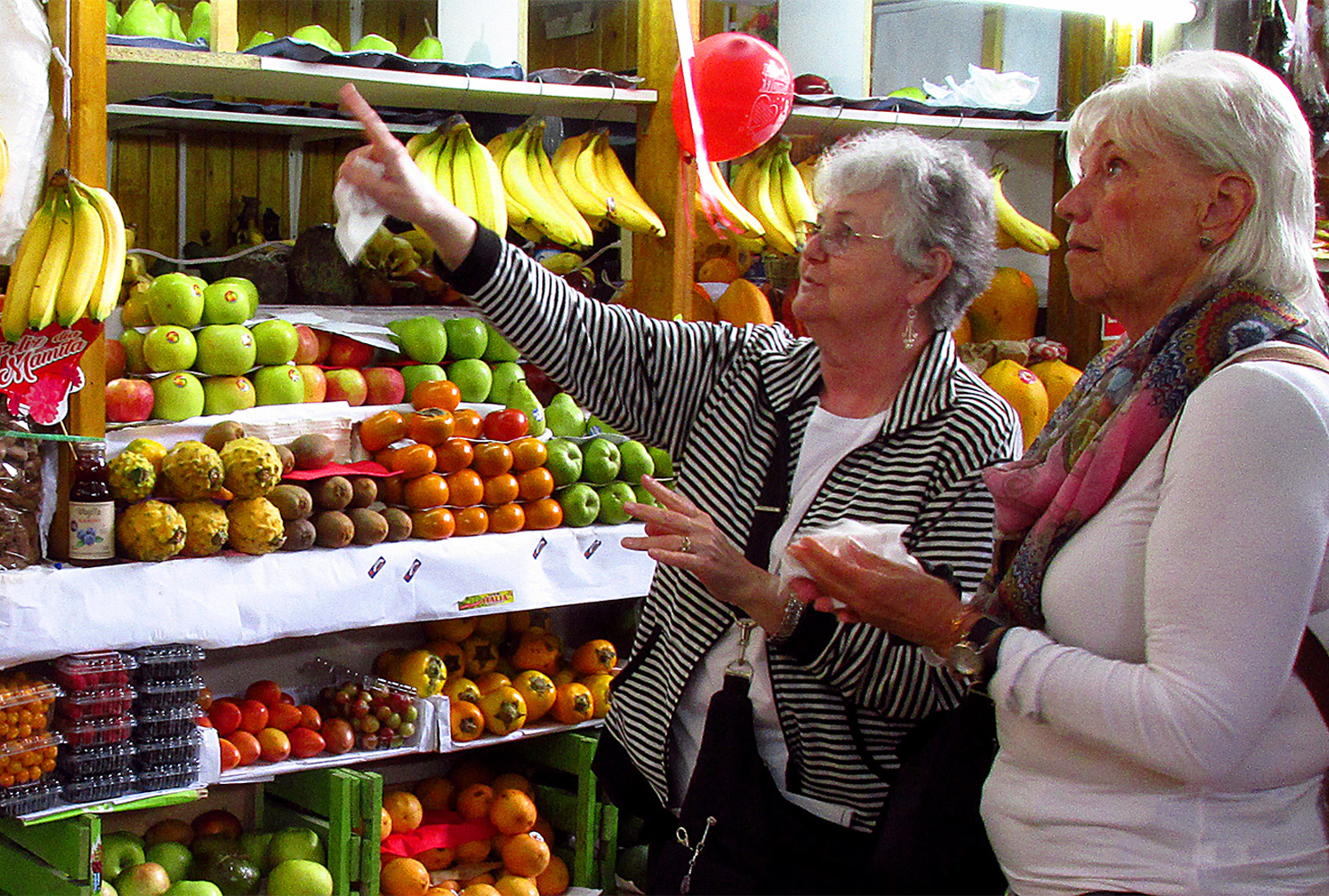
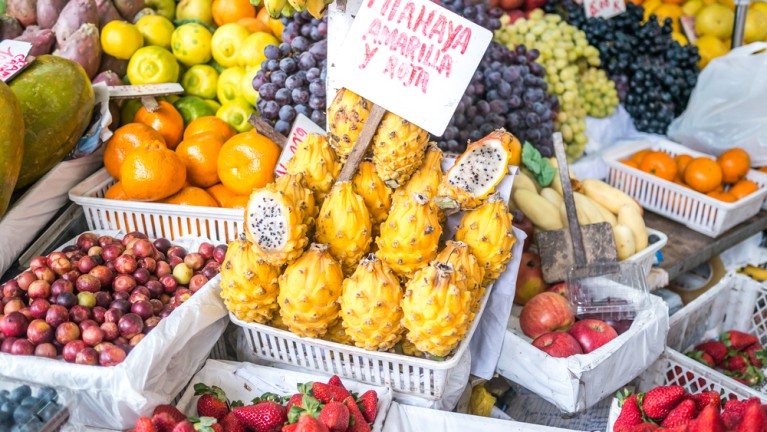
  • Market visit: go and check Lima’s local market, we usually suggest to go to the market located between Miraflores and Surquillo districts, which is called Mercado n. 1, where you can find many local fruits and veggie, as well as a great selection of fresh seafood, nuts and Andean grains. There, you can have breakfast in one of the food stalls located inside the market area or you can also have a traditional lunch, tasting a real Peruvian ceviche or a delicious “jalea” (fried seafood served with fried yuca, “salsa criolla” and mayo), among other traditional dishes.

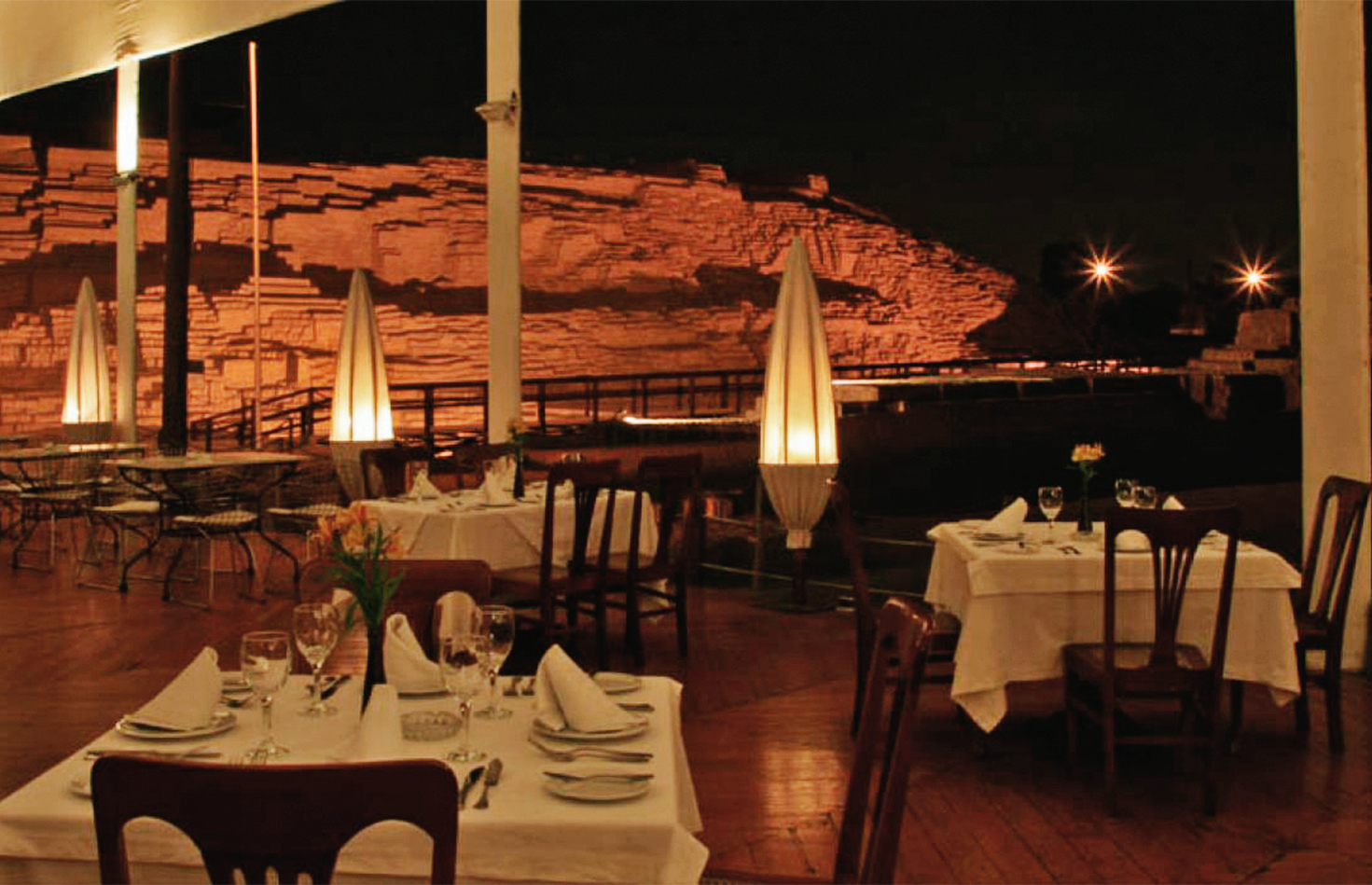
  • Huaca Puccllana: this is an ancient pyramid made of clay and adobe located in the heart of the vibrant and turistic Miraflores District. It was considered a sacred place, an important administrative and ceremonial location, built by the Lima civilization in the fifth century. There is also a restaurant inside the archeological complex, where you can have a delicious meal enjoying a beautiful view of the Huaca

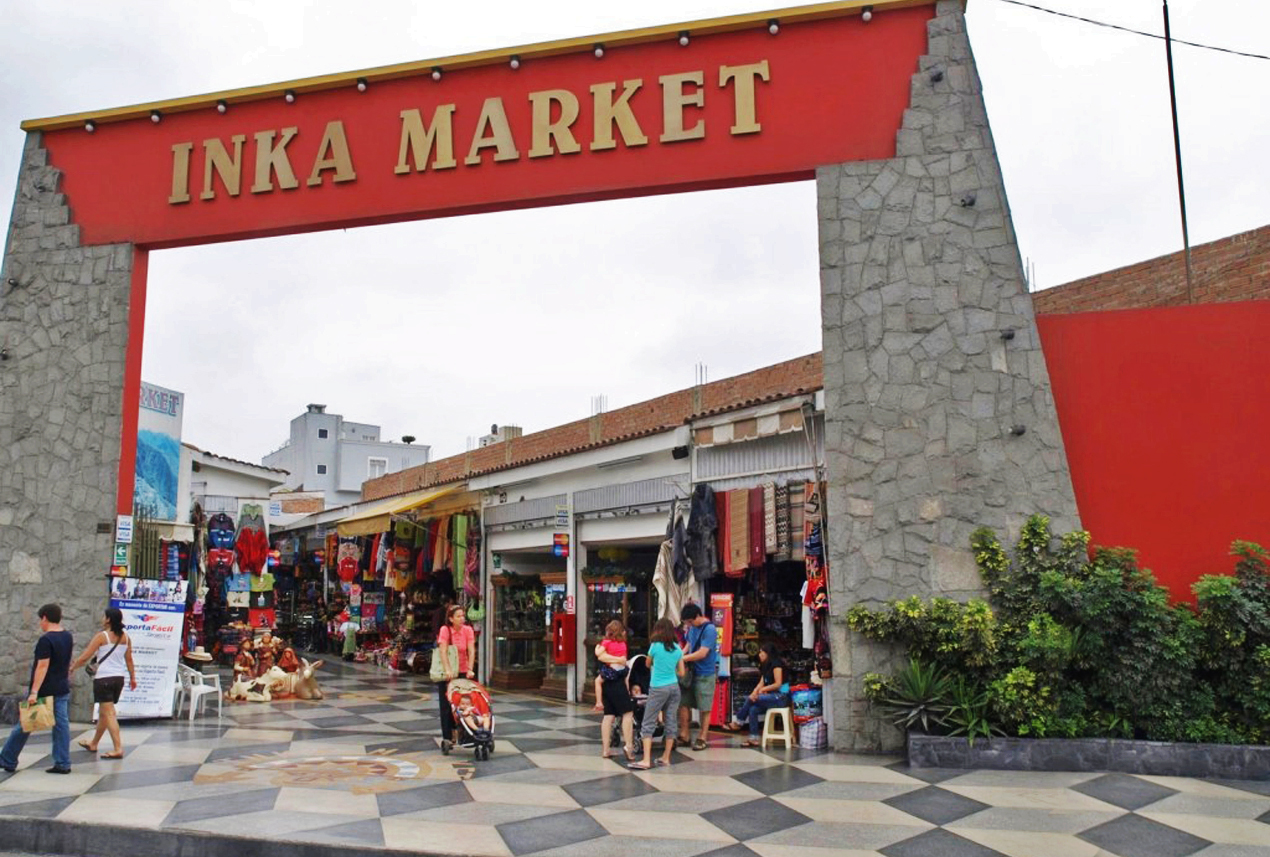
  • Inca Market: This market deserves a visit especially if you are planning to buy some suovenirs before heading back home. Here you will find traditional Peruvian fabrics, music instruments, bags, backpacks, jewellery and alpaca jerseys and scarfs. Do not forget to bargain with vendors and try to find the best deal you can. Remember that you can pay in cash or by ccard. It is a nice experience and you will definitely find Peruvian traditional handicrafts all in one place.

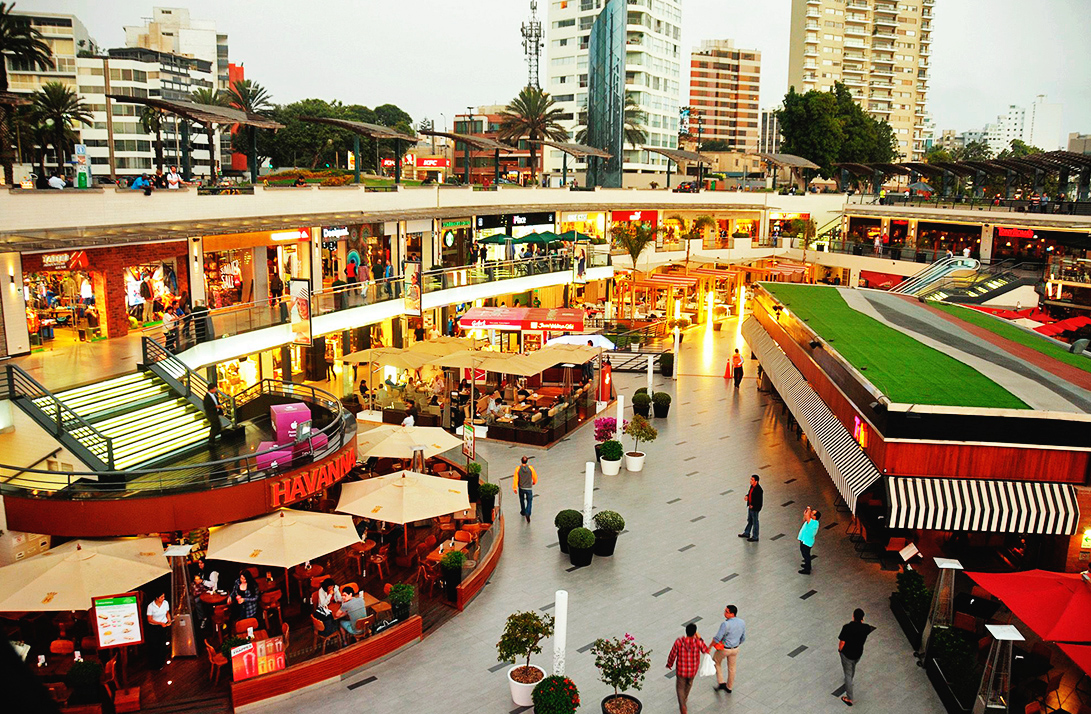
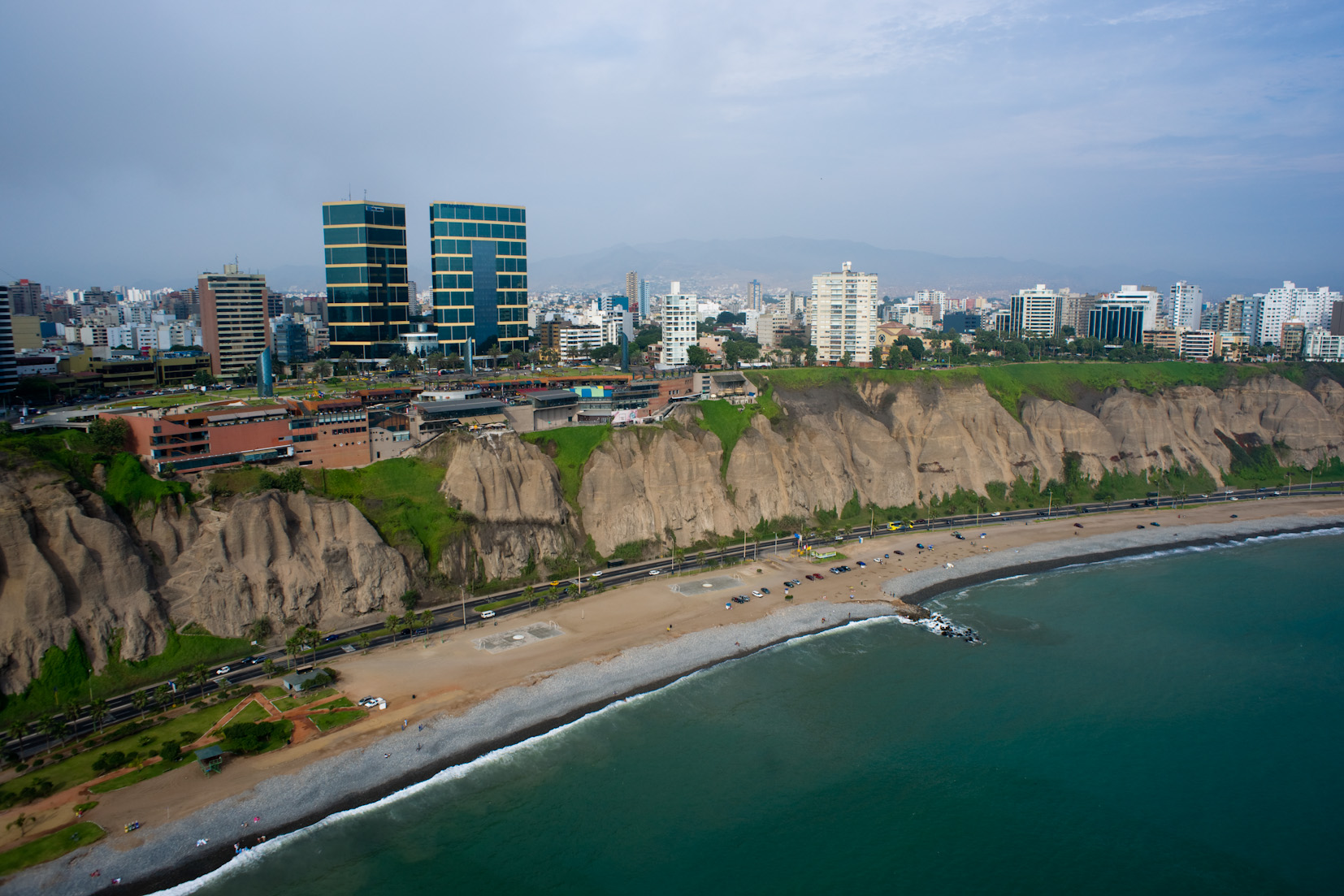
  • Larcomar: if you are looking for a more fancy shopping experience, do not miss Larcomar shopping mall, located in the Miraflores’ malecon, right on the Pacific Ocean cliffs. Here you will find stores of the best Peruvian and international brands. If you want to buy alpaca products, here you will find high quality scarfs, ponchos and jerseys. In the shopping mall there are also several restaurants that are worth a stop, such as Tanta, Popular de aquí y de allá, La Trattoria di Mambrino, among others. 

  • Mercado 28: this is an interesting culinary spot located in Miraflores district, where you can find different kind of food, from Peruvian fast food to foreigner cuisines, from criollo cuisine to Amazon food, from elegant patisseries to ice cream shops. You can find more on Mercado 28, the first gastronomic market in Peru, here: http://taste-of-peru.com/mercado-28-a-new-culinary-stop-in-the-heart-of-miraflores/

  • Barranco and Miraflores districts Malecon: if you love to spend time outdoor and to enjoy a beautiful sunset, these spots are the perfect places for you to relax after a morning cultural tour, a biking tour or a shopping tour, having a picnic for example or a delicious icecream in the Malecon can help you recharge and relax for the night. Do not miss the beautiful sunset on the Pacific Ocean, it is a remarkable experience.

SONY DSC

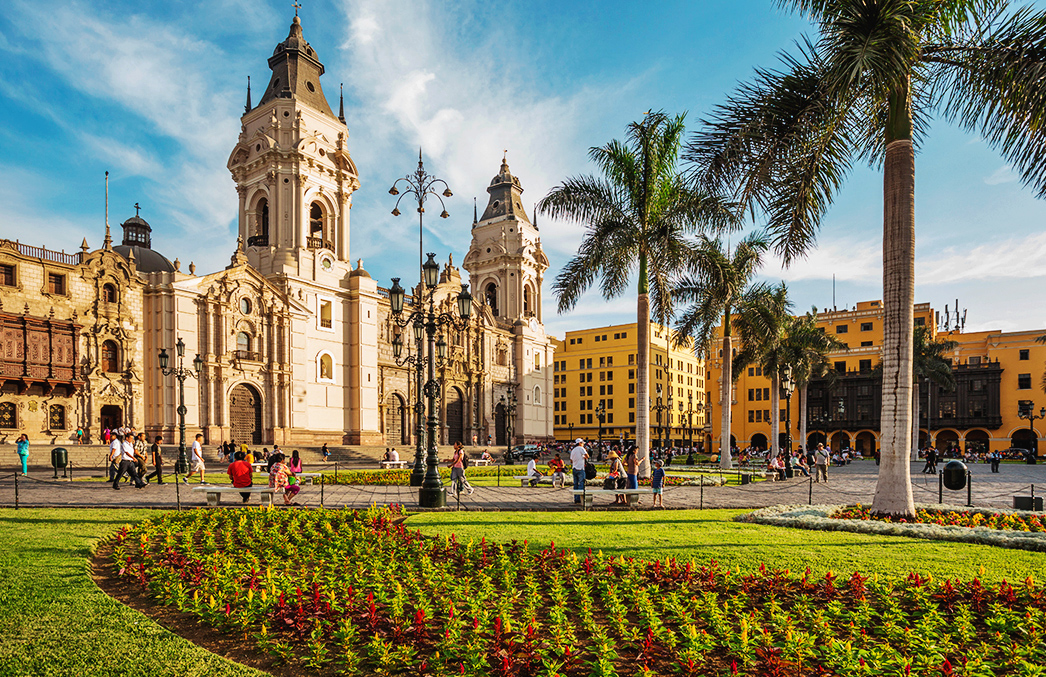
  • Plaza Mayor and San Francisco Church: if you are more into culture sites, you cannot miss a visit to Lima’s downtown where you will find the city’s cathedral, the government palace placed around Lima’s main square (Plaza Mayor), right behind the square you can also visit San Francisco Church with its monastery and catacombs. This is a cultural stop that you cannot miss while in the capital city.

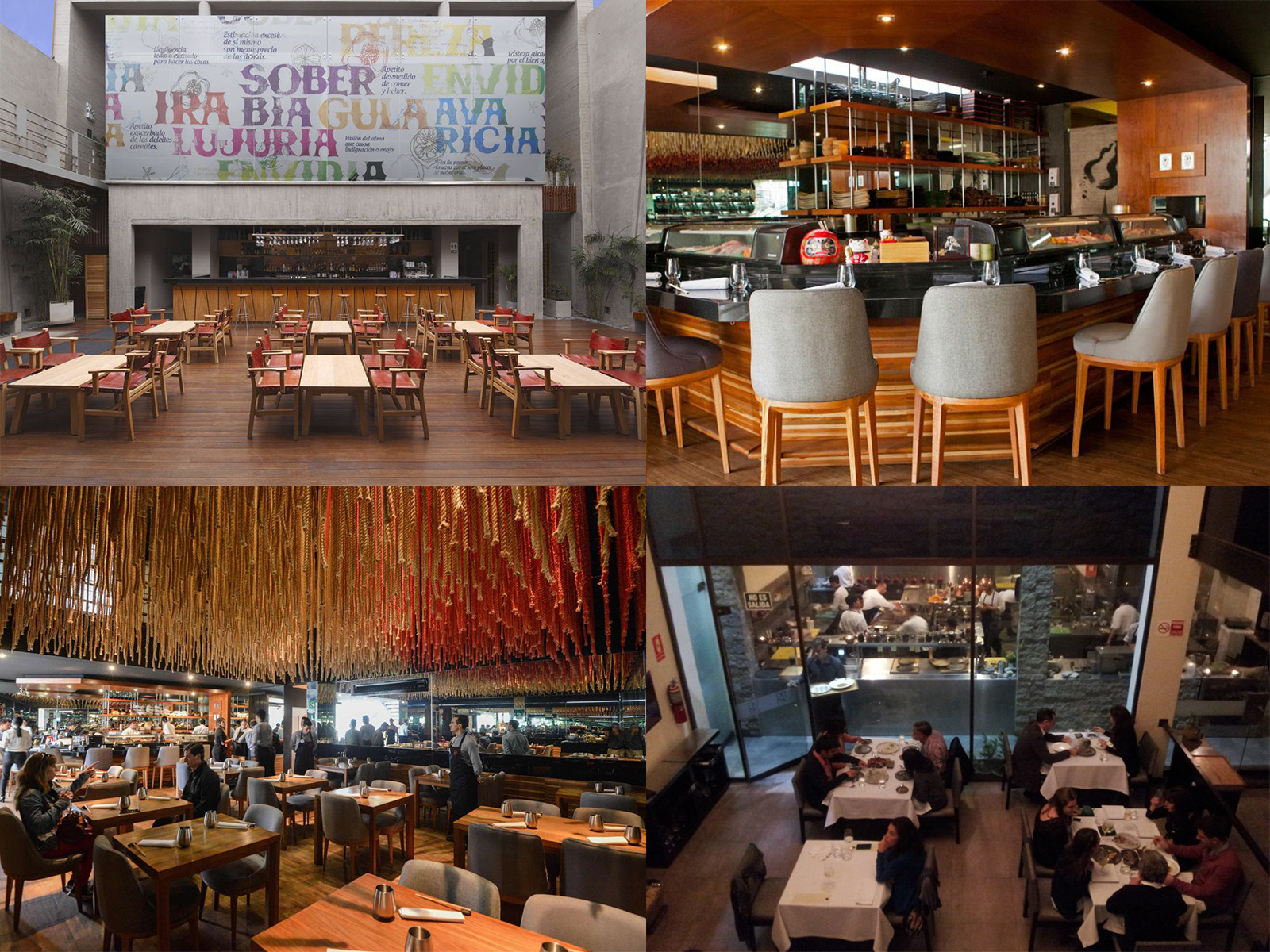
  • Culinary spots: there are so many restaurants we can suggest in Lima, but we might need another article on this. Just few of them: Maido, Isolina Tabern, Central Restaurant, Astrid and Gaston, Kañete, La Mar among others. In the capital city you can basically find all kind of cuisines and different prices range restaurants. More on this to come on the blog!

So, when planning a trip to Peru, just try to spend a couple of days in Lima to enjoy the modern side of Peruvian culture and have the opportunity to try the best culinary spots in the country.

Peru Peru Destinations Travel Tips What to do

The Ultimate Guide To Peruvian Slang

Planning a trip to Peru soon and want to feel merged into the local culture? Do you want to “sound” like a Peruvian while you are talking to people in the streets, in the shops or at the restaurant? Here some slang words and phrases you should definitely learn before embarking on your Peruvian adventure! 

We tried to create a usefule list for no-Spanish speaking travelers but also for people who can speak Spanish but obviously not the Peruvian way. Like any country of Latin America, also Peru has its own peculiar slang words and phrases that actually only Peruvians can understand. For instance if an Argentinian come to Peru for a leisure trip or for work, he/she will also encounter some problems with slang words and phrases Peruvians use.  

  • Cheverelet’s start with the most used slangword! This word is used to say that somenthing is cool, for example (“ese polo,te queda chevere” means “this tshirt looks good on you”) or that we are cool (“estamo chevere” means “we are ok”). You will listen to this word in the street, restaurants, basically everywhere.


  • Platain Spanish languange this word means silver, but in Peru it means moneyThis is also a word you will listen everywhere, since Peruvians never do anything if you do not pay them. “Plata” is what make the country goes round and people do things for you. So, the use could be something like: “Tienes plata?” which means “Have you got money?”, or “es mucha plata”, which means “that’s too expensive”. 

  • Bacán: this word also has a positive meaning like chevere, it is used to express a favorable opinion on somenthign or someone. “Está bacan” means “It’s cool”. 
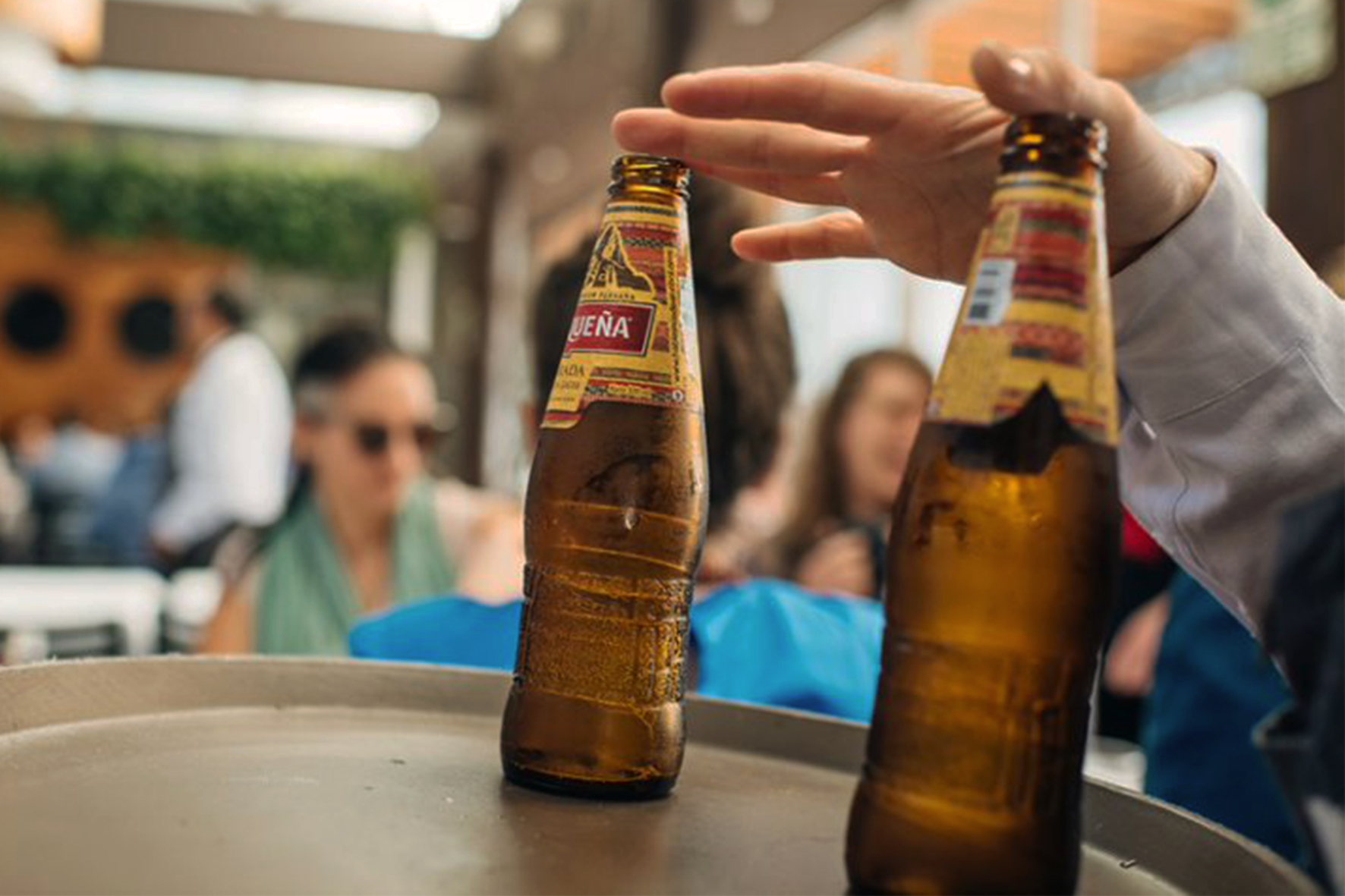
  • Chela: you cannot have a great and fun trip if you do not know this word! Chela means beer, so you will listen to “¿Quieres una chela?” which means “Do you want a beer?” or “Vamos por unas chelas”, which means “”Let’s go for some beers”. Remeber: Peruvians never go out for only one beer or drink, they prefer to use the plural! 😀 Peruvians also use the verb “chelear”, which means “the act of drinking beer”. 

  • Pataliterally in Spanish this word means legbut in Peru it means close friend. So you will listen to: “El es mi pata” with means “He’s my pal”.  The word can be used with male or female.  

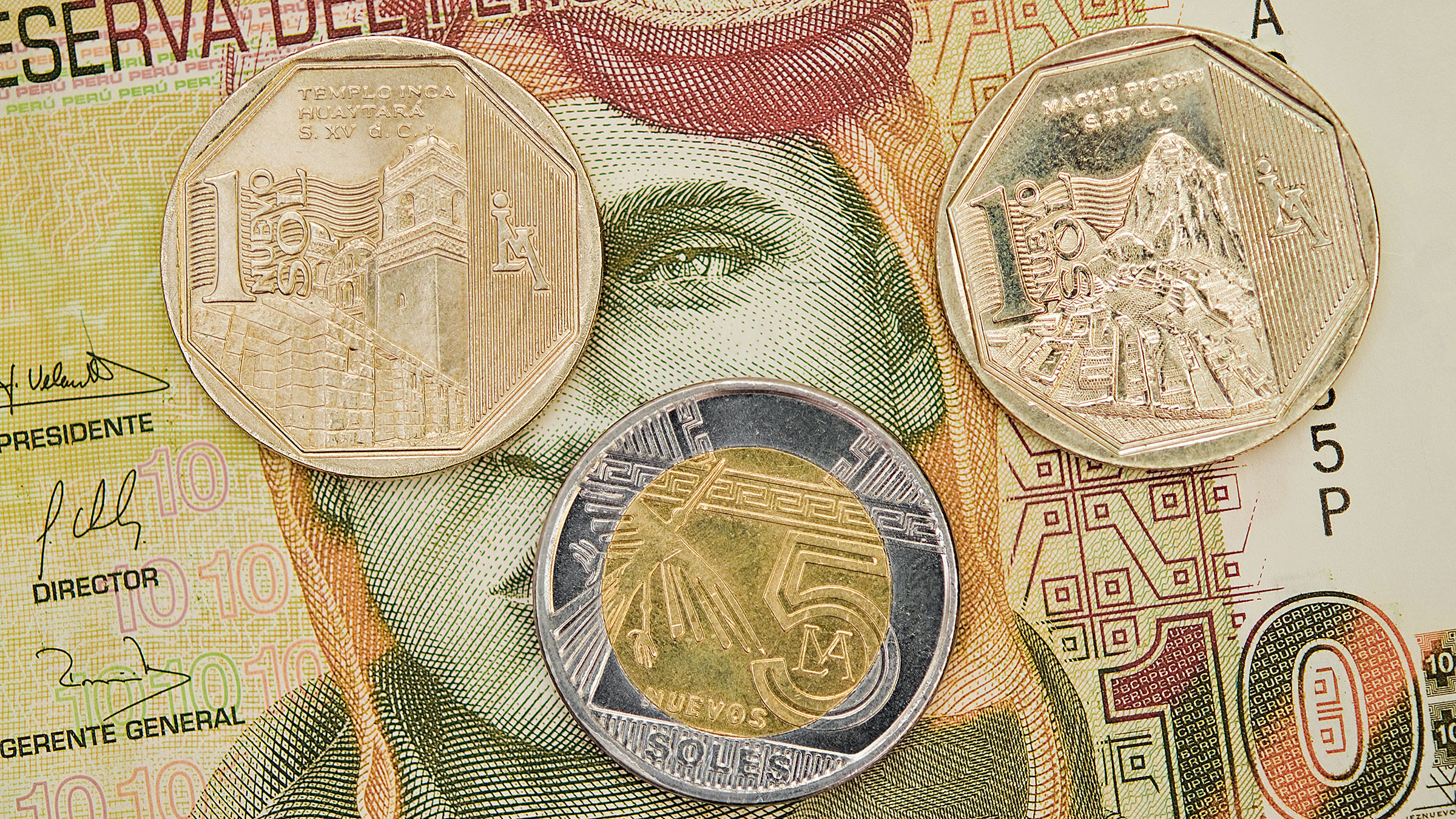
  • Luca: it could be definitely a name, but in Peru it means Sol, the local currency. So you will probably listen to two friends saying: “¿Tienes un luca? Or ¿Tienes cinco lucas”, which respectively mean “Do you have a Sol?” and “Do you have five Soles?”. This word comes from Spanish gipsy word for Soles. 

  • Chamba: this word means “job” and Peruvians also use the verb “chambear” wich means “to work”, so you will probably listen to expressions such as: “Estoy en chamba”, which menas “estoy trabajando” or “Tengo que chambear” which means “I have to work”. 

  • Tono: this word means party, so the expression “vamos a un tono” means “Let’s go to a party”. Peruvians also use the verb “tonear”. Another word Peruvians use for party is “juerga” and the verb “juerguear”. So the expression “Vamos de juerga”, which means “Let’s go to a party” is quite common as well. 

  • Al toque: it is a peculiar expression used by Peruvians to say “right away” or “straight away”. For instance the expression “Hazlo al toque!” means “Do it right away”. 
  • En un rato: this is also a very common expression you will listen to, but actually it is quite difficult to undestand what exactly “rato” means for Peruvians. It could be 10 minutes, half an hour, a hour, 3 hours, so sometimes could be hard. So the expression “Voy en un rato” means “ I wil be there soon”, but be aware you might wait more than an hour! Let’s be honest Peruvians are famous for not being on-time. 
  • Yapa: this word means something extra for free”. So if you are buying somenthing like fruit or veggie you ask for yapa, usually an extra lemon or tomato. 

After our survivor Peruvian slang course for beginners you will be able to undestand few words Peruvians often use. Stay tuned that will definitely post more slang words nd phrases soon! 


Cusco Nazca Peru Peru Destinations Titicaca Travel Travel Tips World travel

Top Places for Amazing Travel Photos in Peru

Are you that kind of traveller, eager to take stunning photos and have them to cherish everlasting memories of his/her trip or to share them in social media or travel blogs? Are you in a costant pursuit of incredible travel photos? This is the right blog article for you. We tried to select the most amazing places in Peru to take the best and the most suggestive travel shots ever!Credits: chrisactive.pl

We didn’t have a hard time selecting these places though, considering that Peru has many amazing views to offer and a wide variety of landscapes, we refer to high mountain picks, the highest lake in the world, paradisiac beaches, amazing trekking routes, beautiful lagoons, charming jungle bridges and even desert. So, if you are into travel photos, Peru is definitely a place you must note down on your travel list right now!

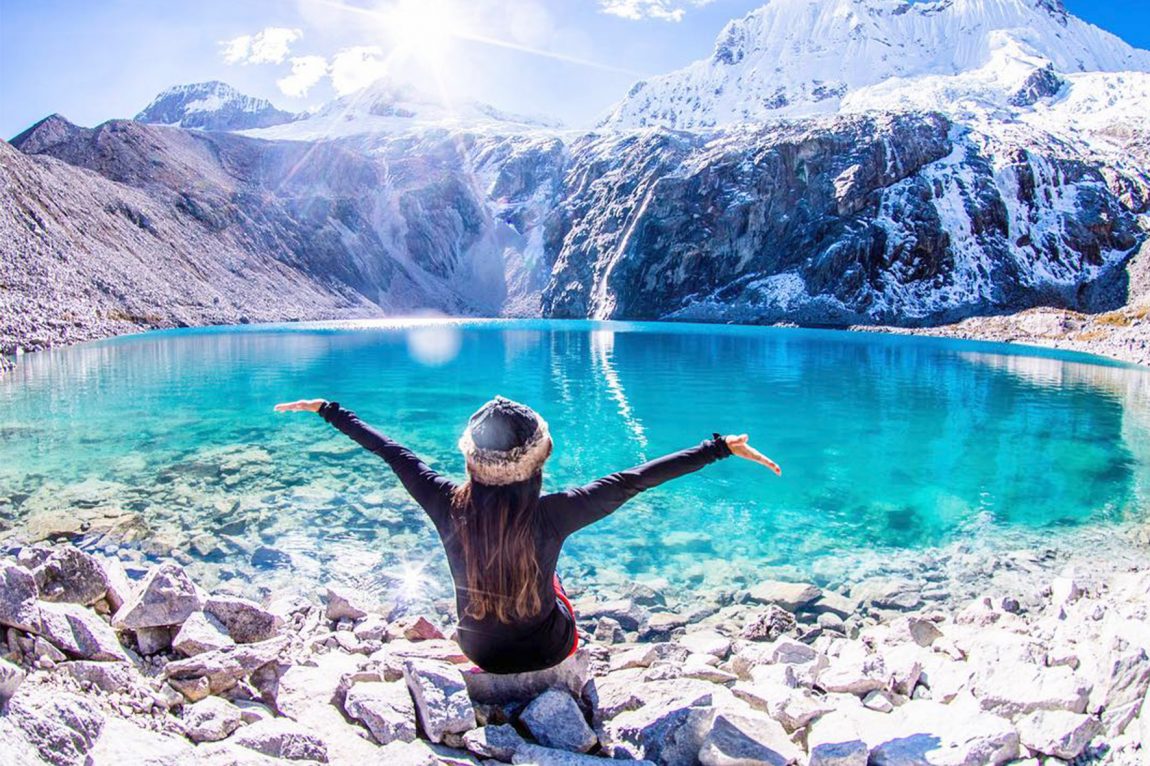
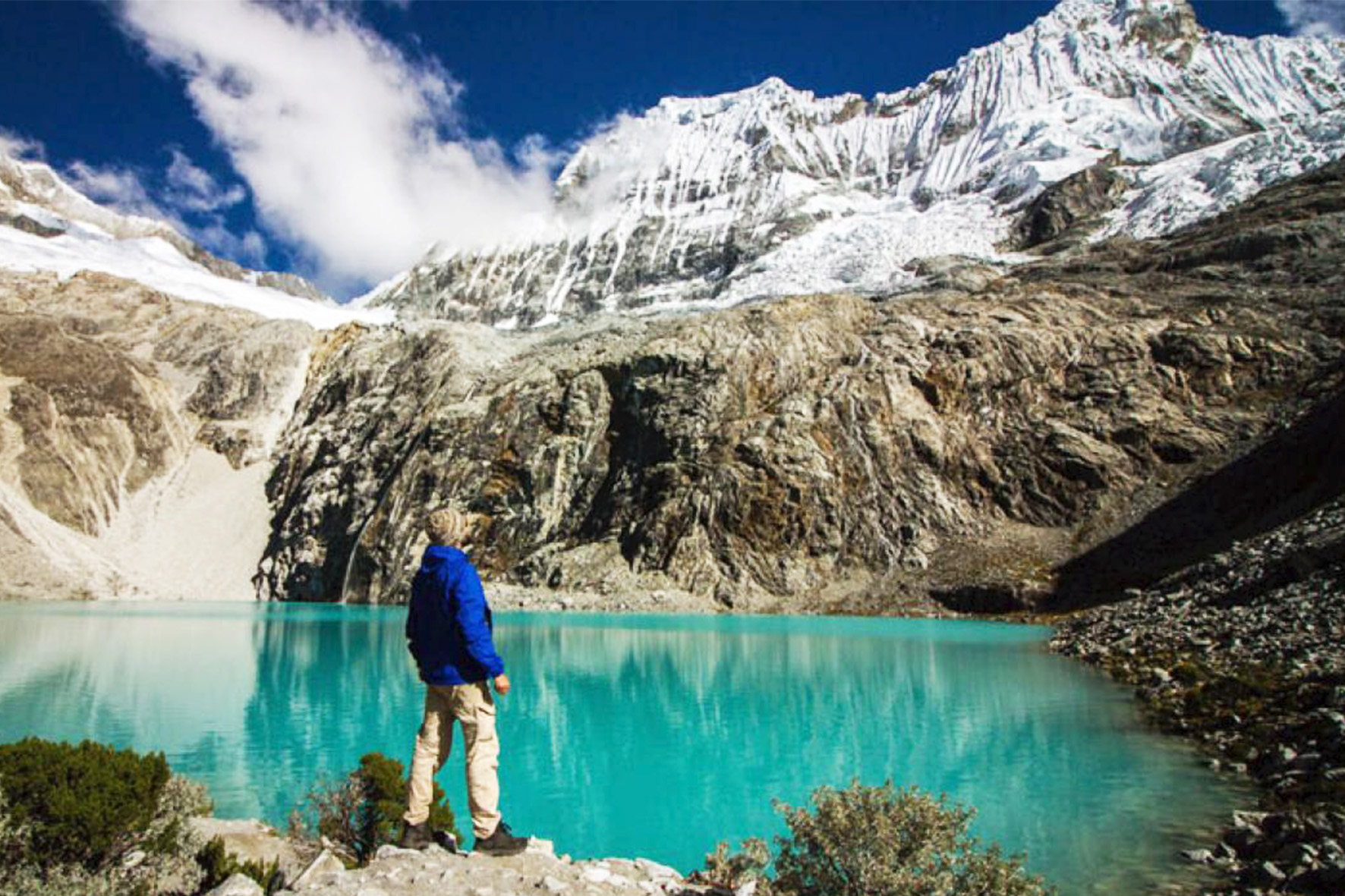
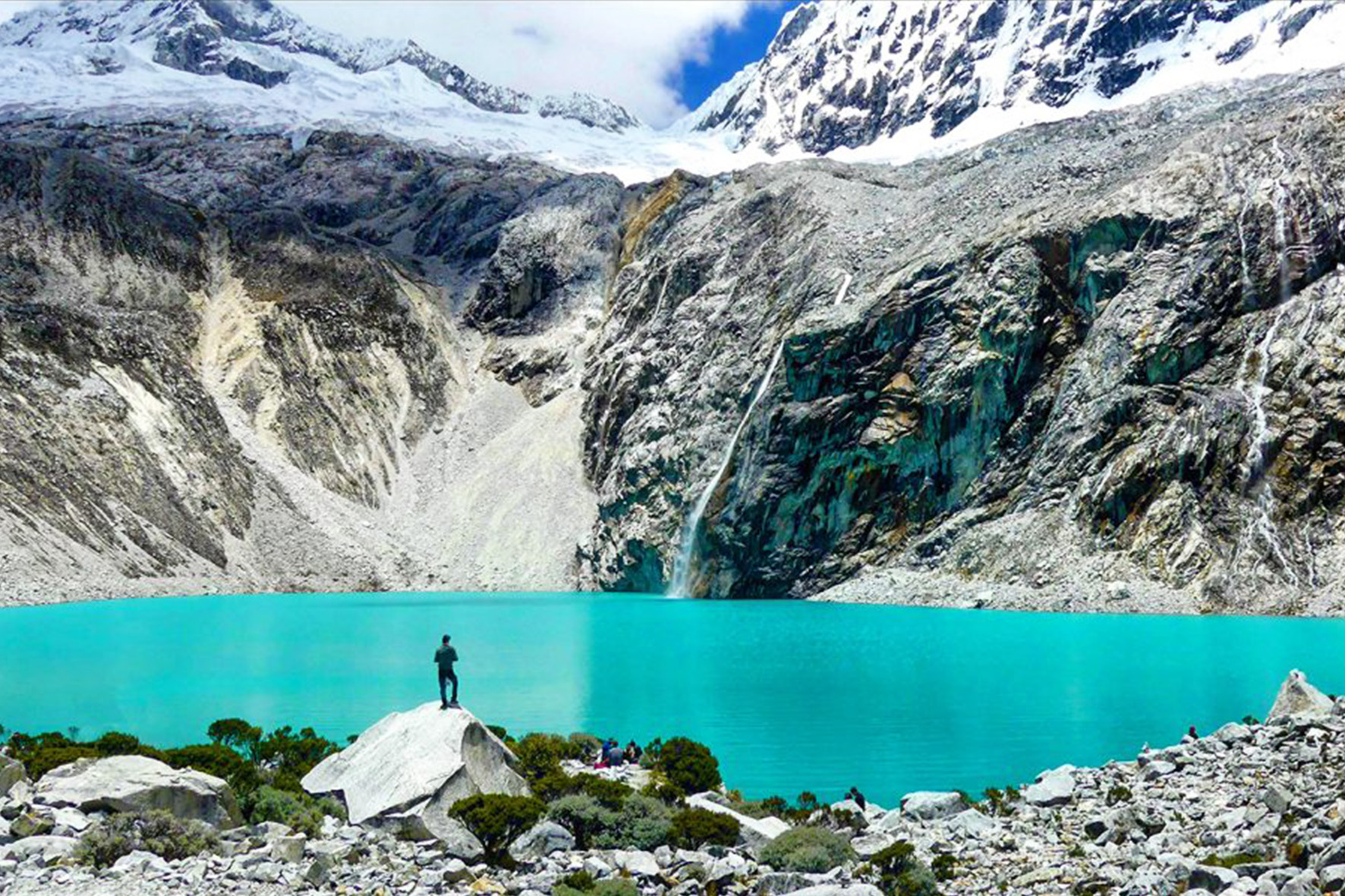
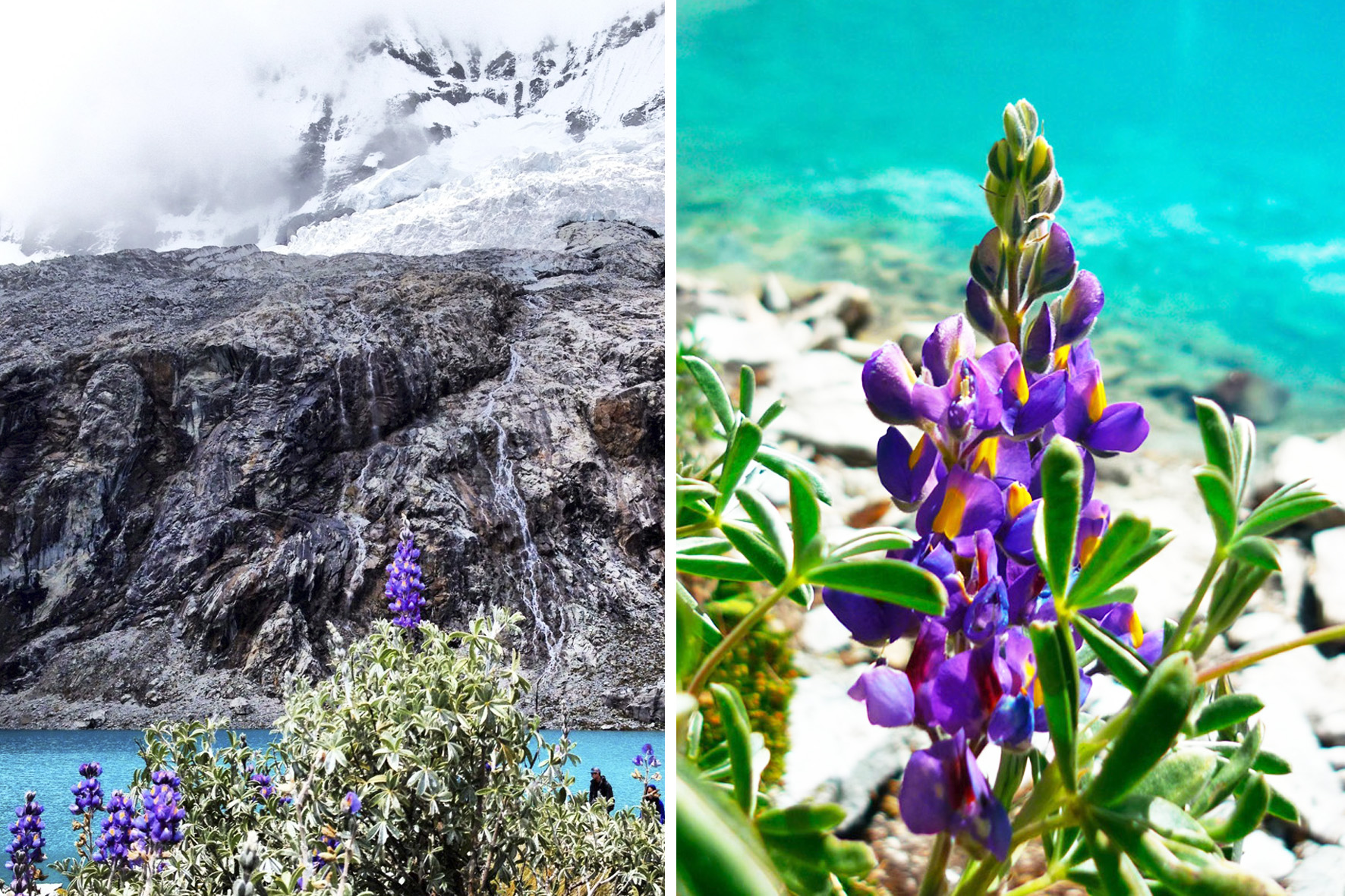
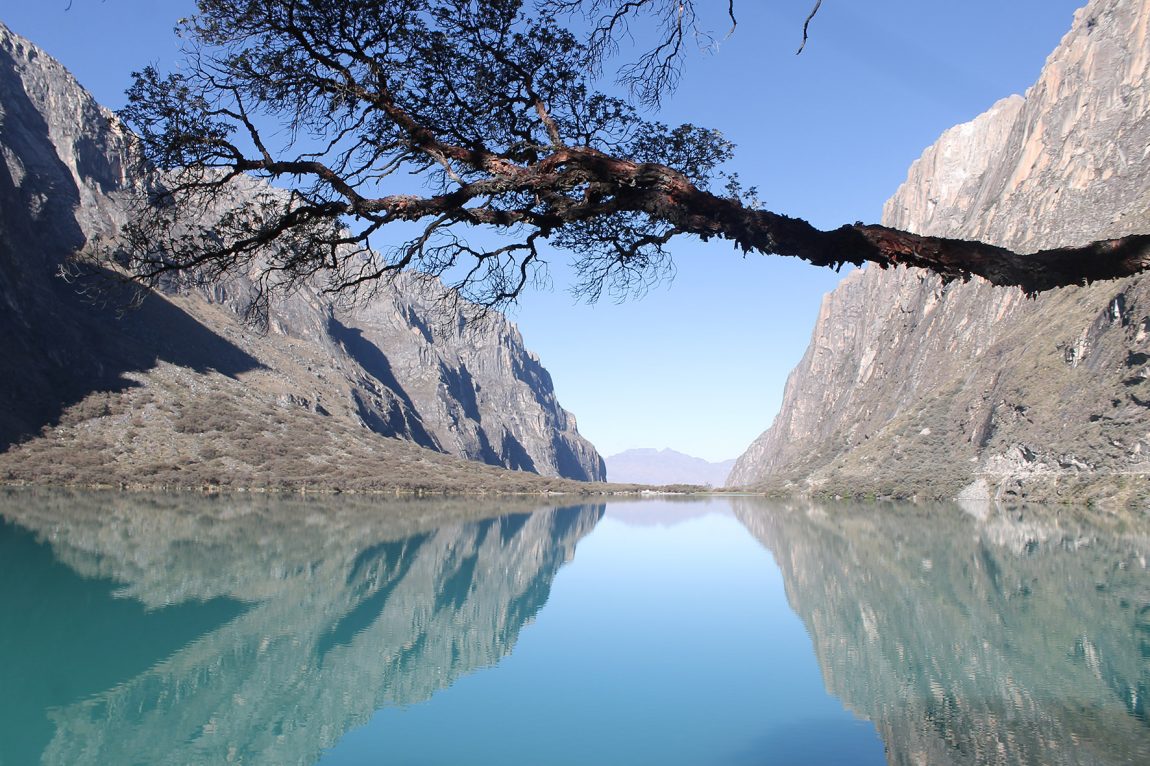
  • Lagoon 69 in Huaraz: This place is simply amazing! Here the celestial lagoon with its intense blue waters meets the clear sky, typical of the Peruvian “sierra”. The Lagoon 69 is located in the Huascarán National Park, in Huraz province, north-east of Lima. It is a 9-hour bus ride from the capital city; if you prefer, you can also fly to Huaraz from Lima. We believe that this is one of the most beautiful lagoon in the world and the trek to reach it is simply amazing, yuo will bump into amazing landscapes, and see beautiful flowers and plants while you walk along the path. You can find more information on this trek here: http://www.magicalcuzcotours.com/blog/huaraz-a-charming-destination-in-the-heart-of-peru/

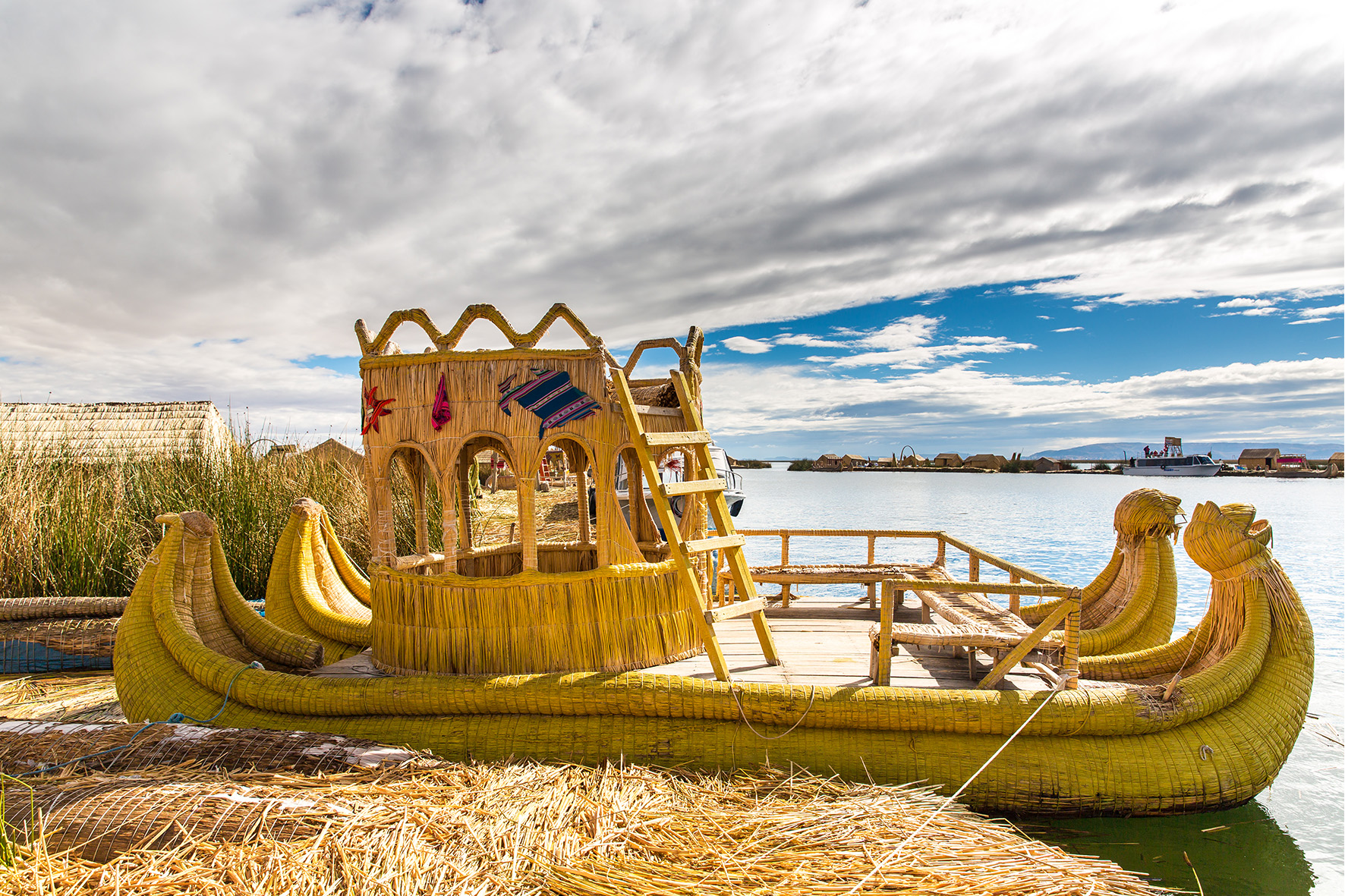
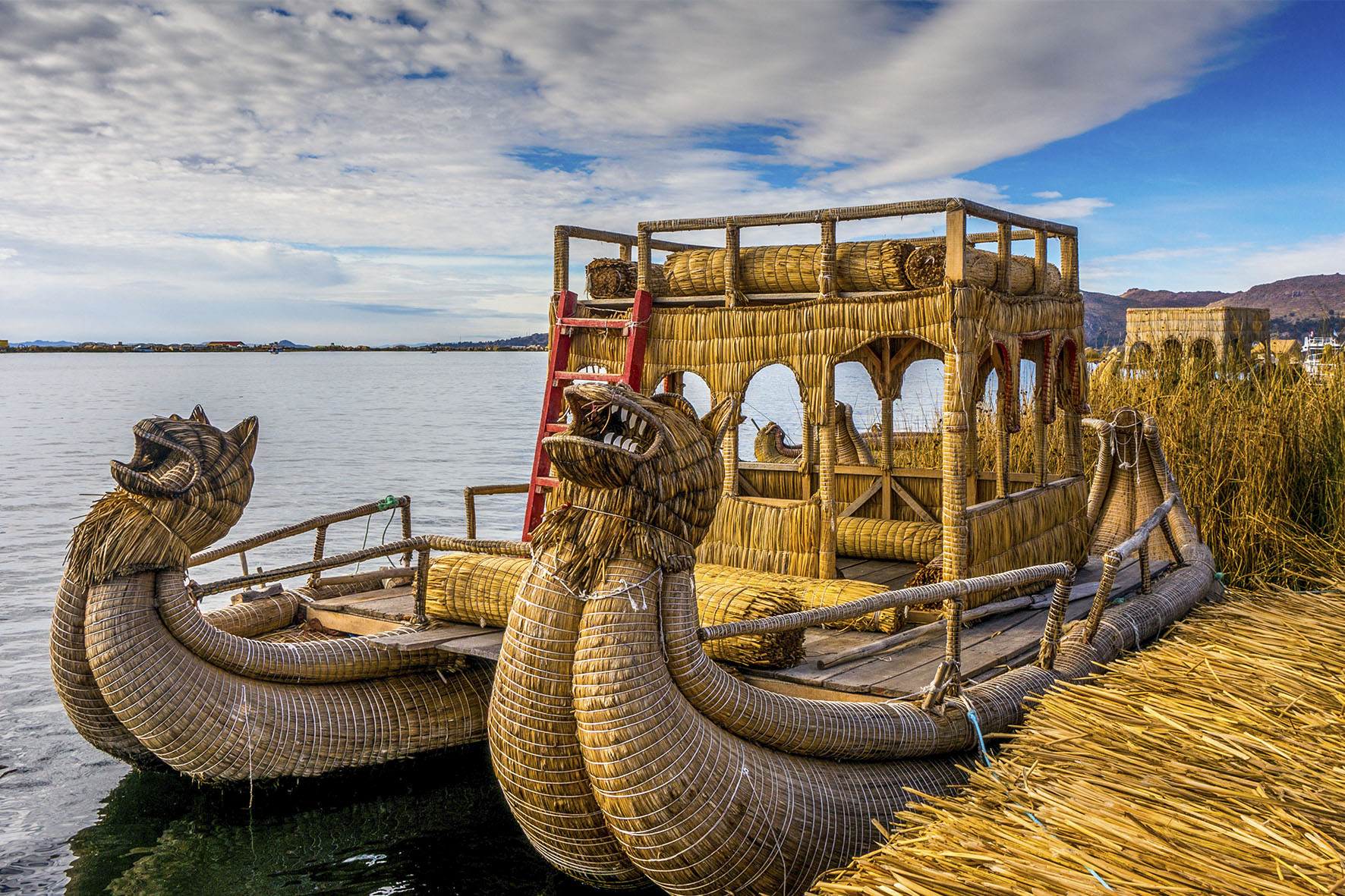
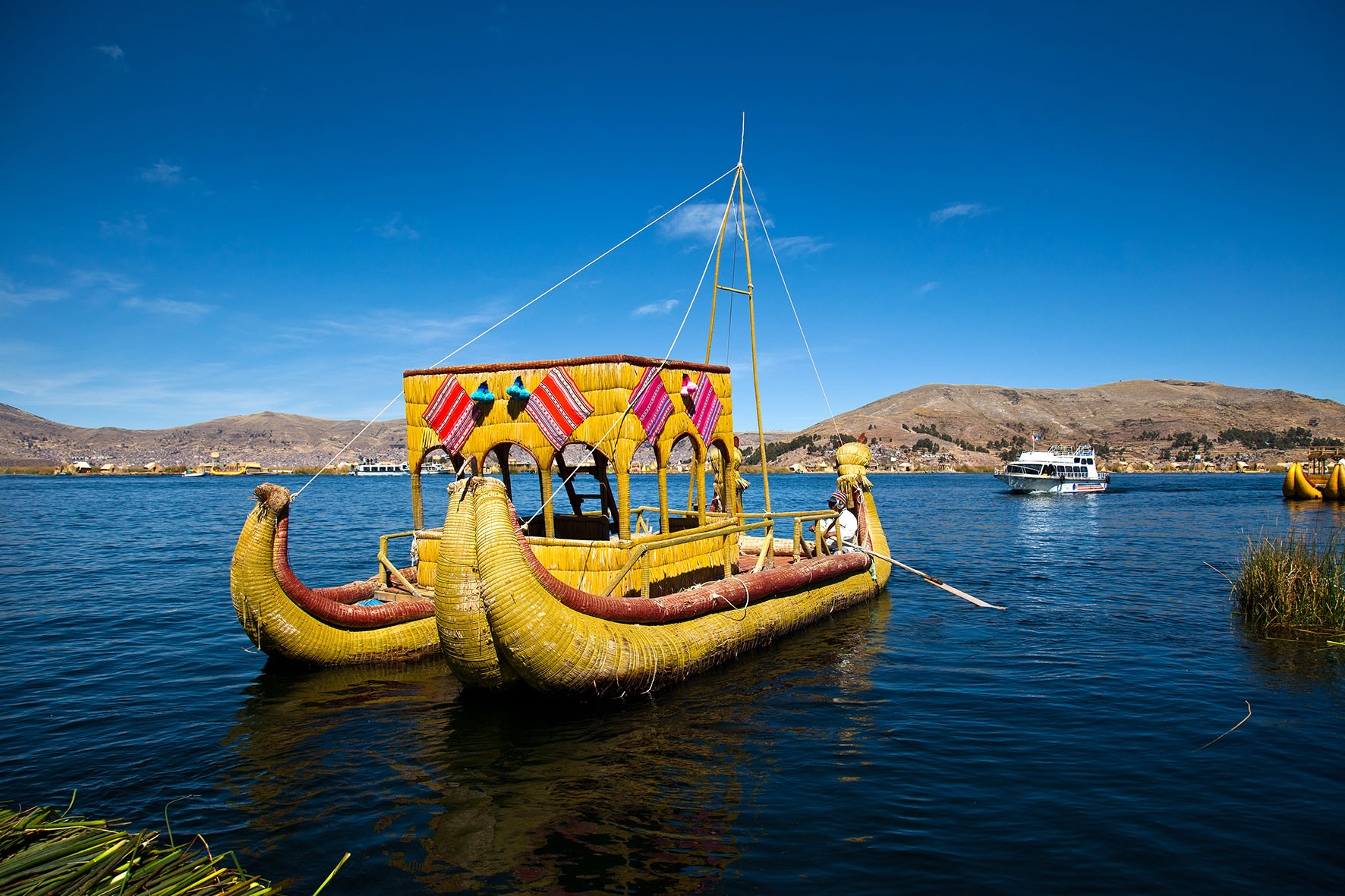
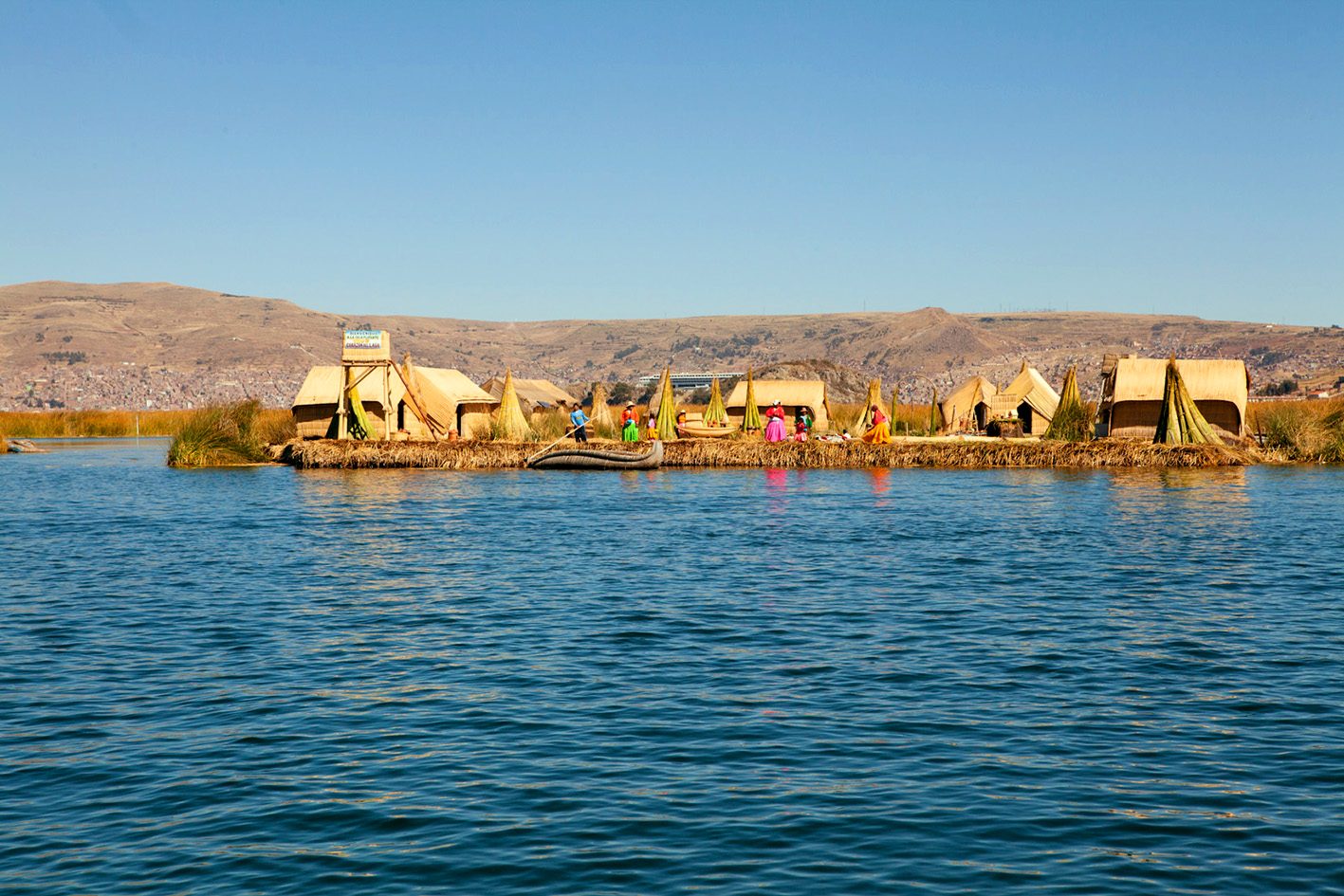
  • Uros floating islands: this is an archipelago of the Lake Titicaca, the highest navigable lake in the world. Here you will enjoy the blue waters of the lake, crossing the path with the clear sky, learn about Uros indigenous community, their lifestyle, and their activities, such as crafting, cooking, fishing, etc. This is a remarkable experience for travellers who have the chance to meet local people and jump on one of these amazing islands for a bit. The islands are made of “totora” reeds, which grow in the lake. The sun light is amazing on the Titicaca Lake and it will definitely help taking great shots of the lake itself and local people in their daily routine.

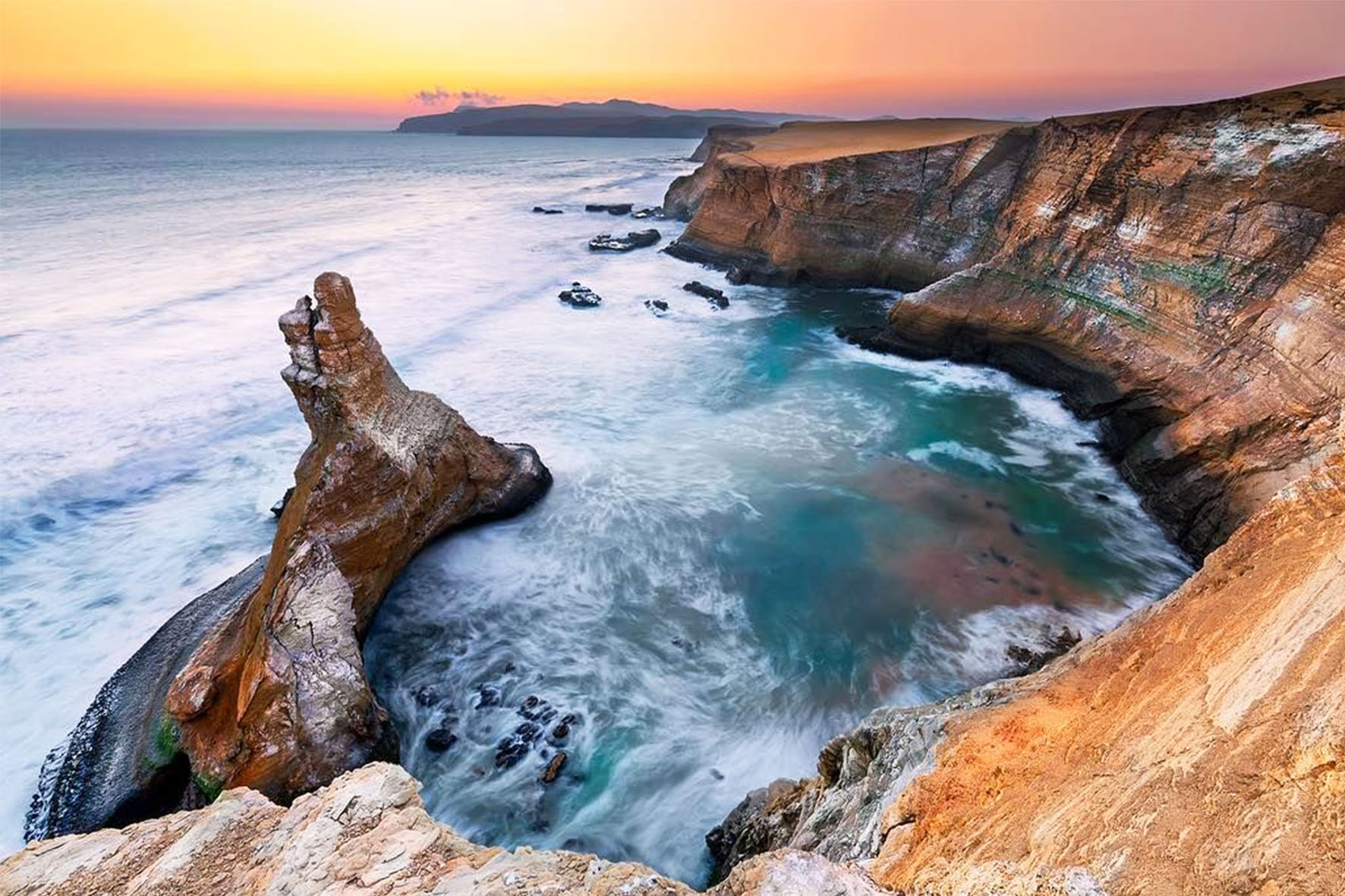
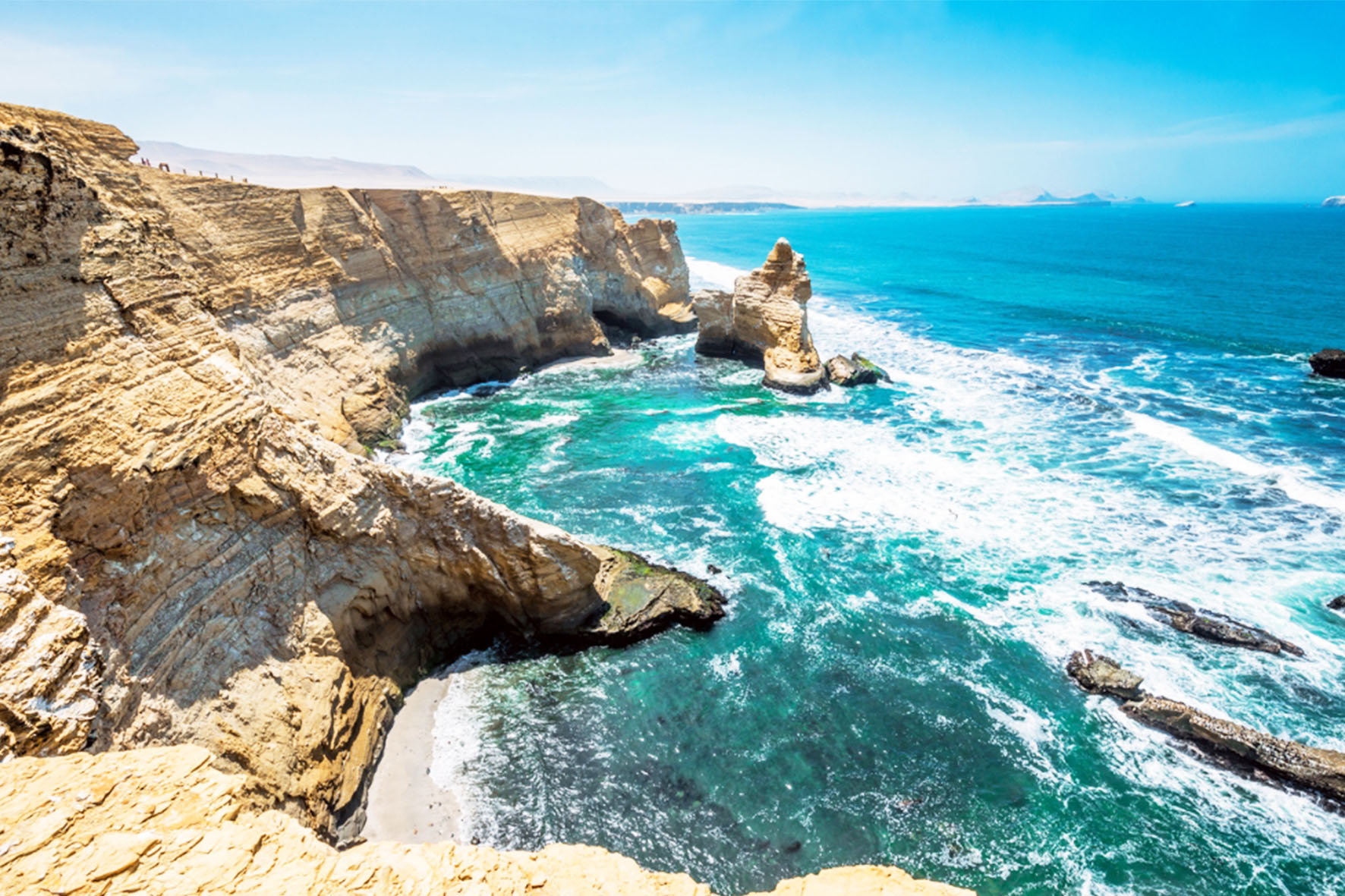
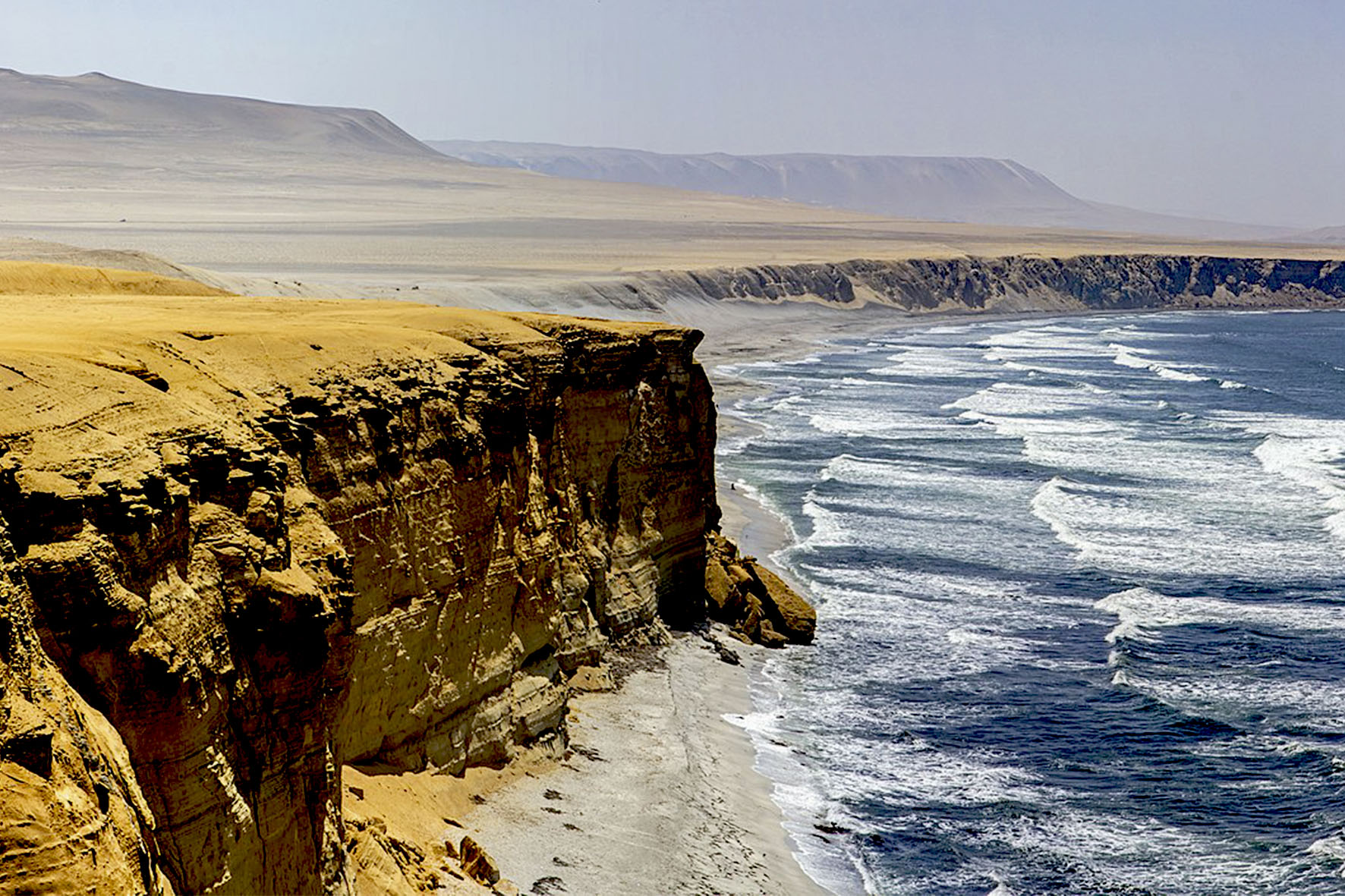
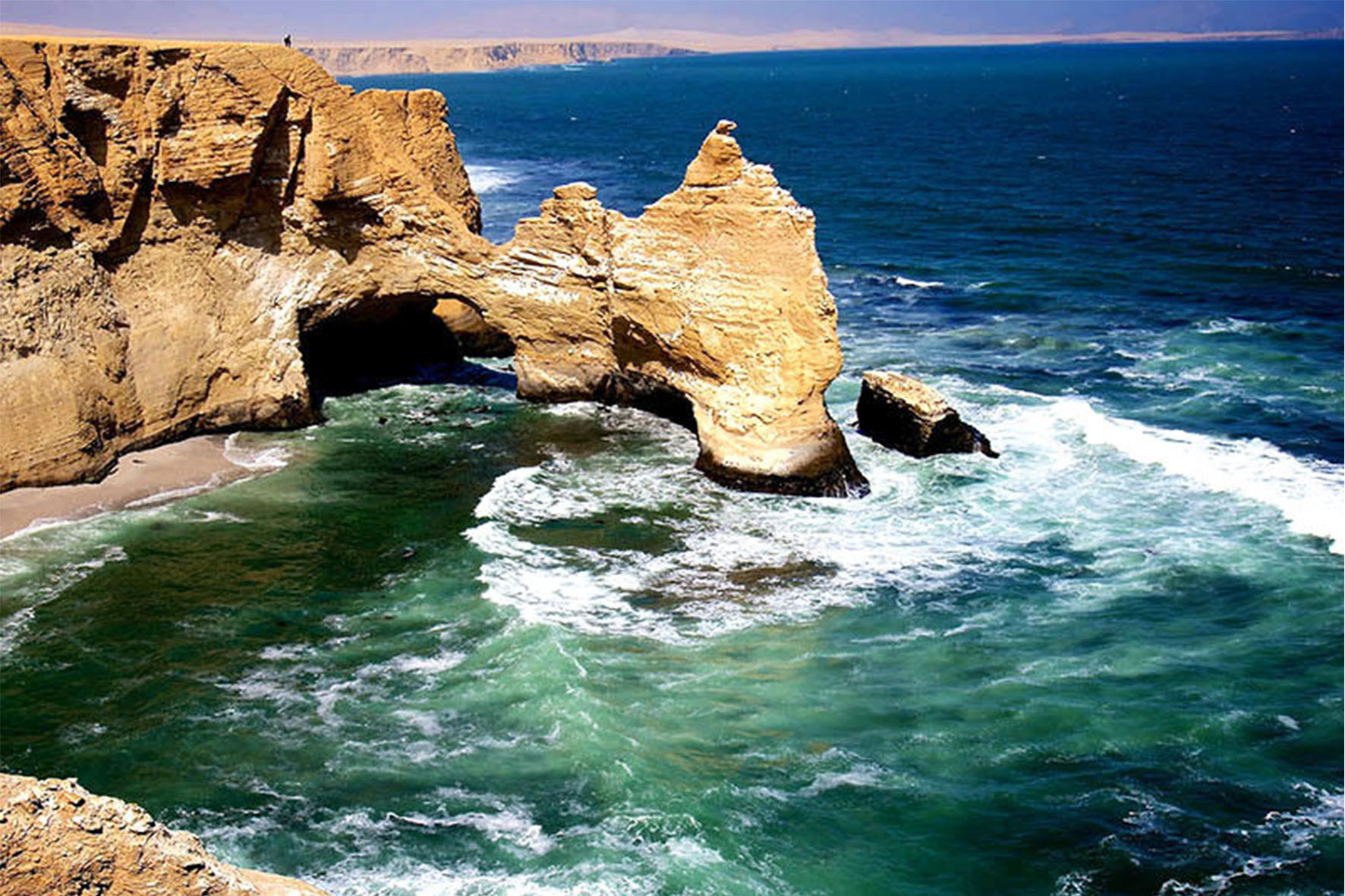
  • “La Catedral” in Paracas National Reserve: this is another amazing spot to get great travel pics, where you’ll find a geomorphological attraction in an arch shape, unfortunately partially destroyed during the earthquake which hit Peru in 2007. It is a place to stop and relax during your visit to Paracas National Reserve where you can enjoy all the beauty of the Pacific Ocean and its coast and the relaxing sound of the waves crashing on the shores. The high cliff is extremely fascinating and with the sunlight the color of the sky will reflect on the ocean creating an amazing effect.

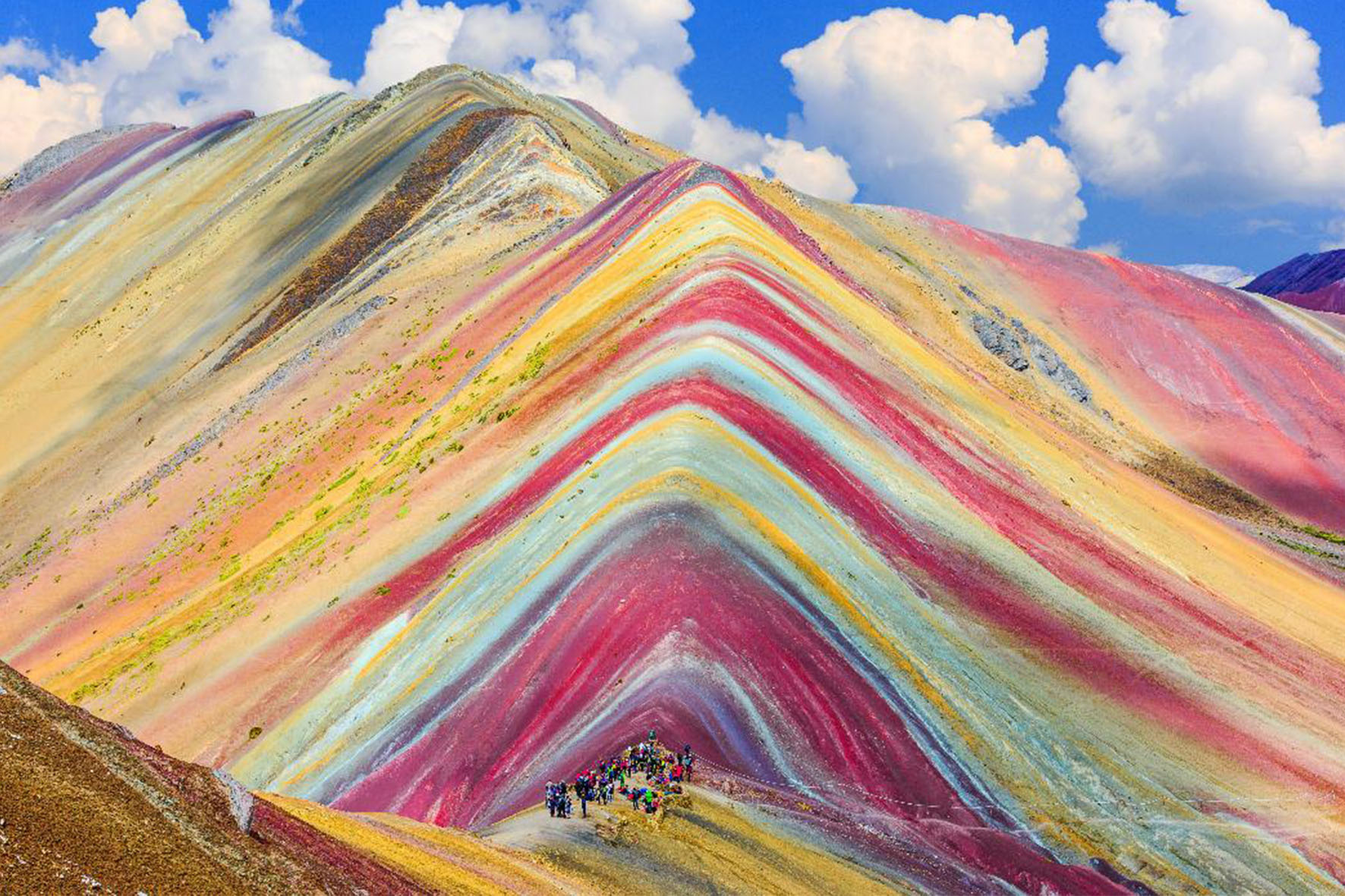
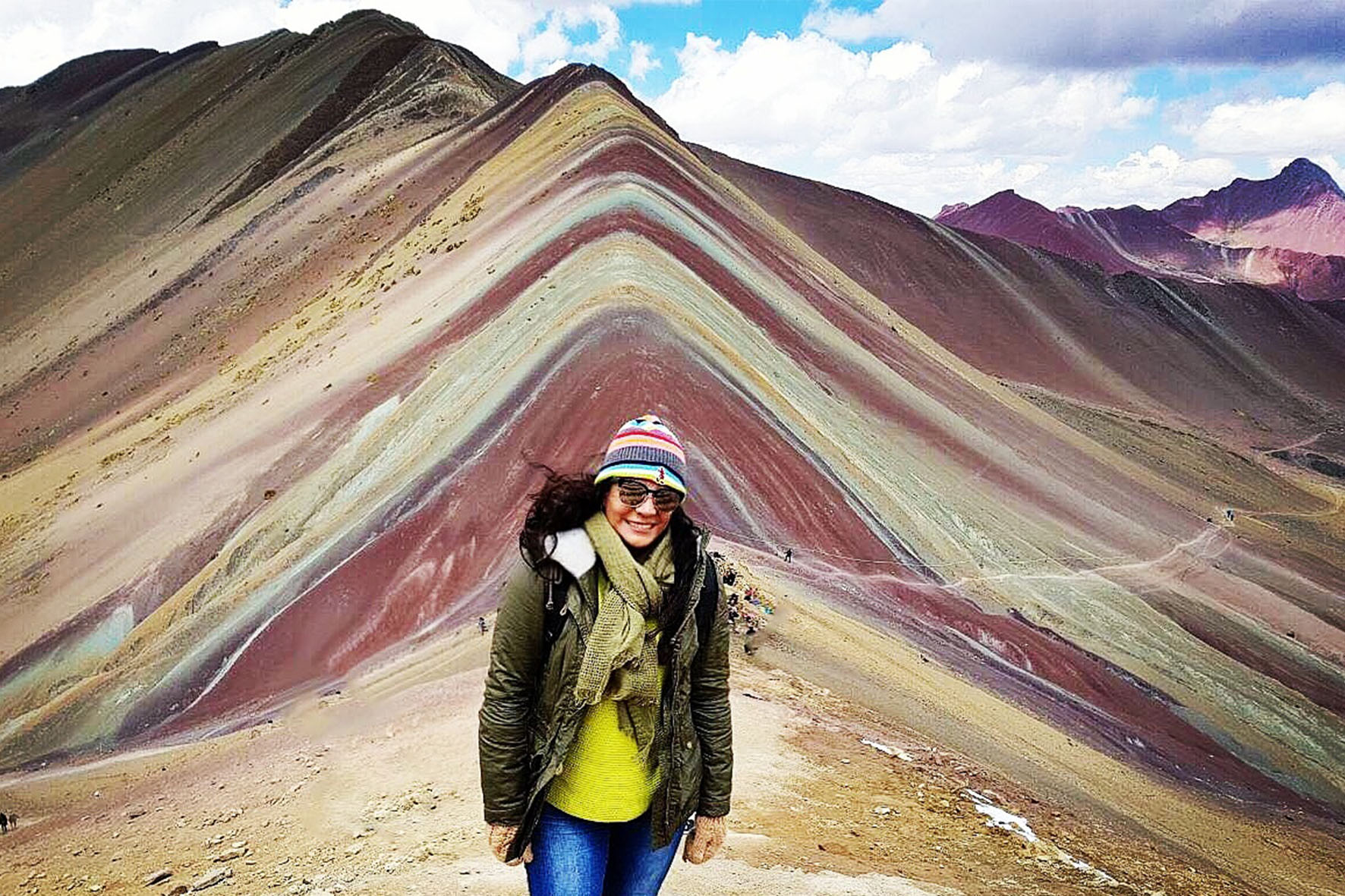
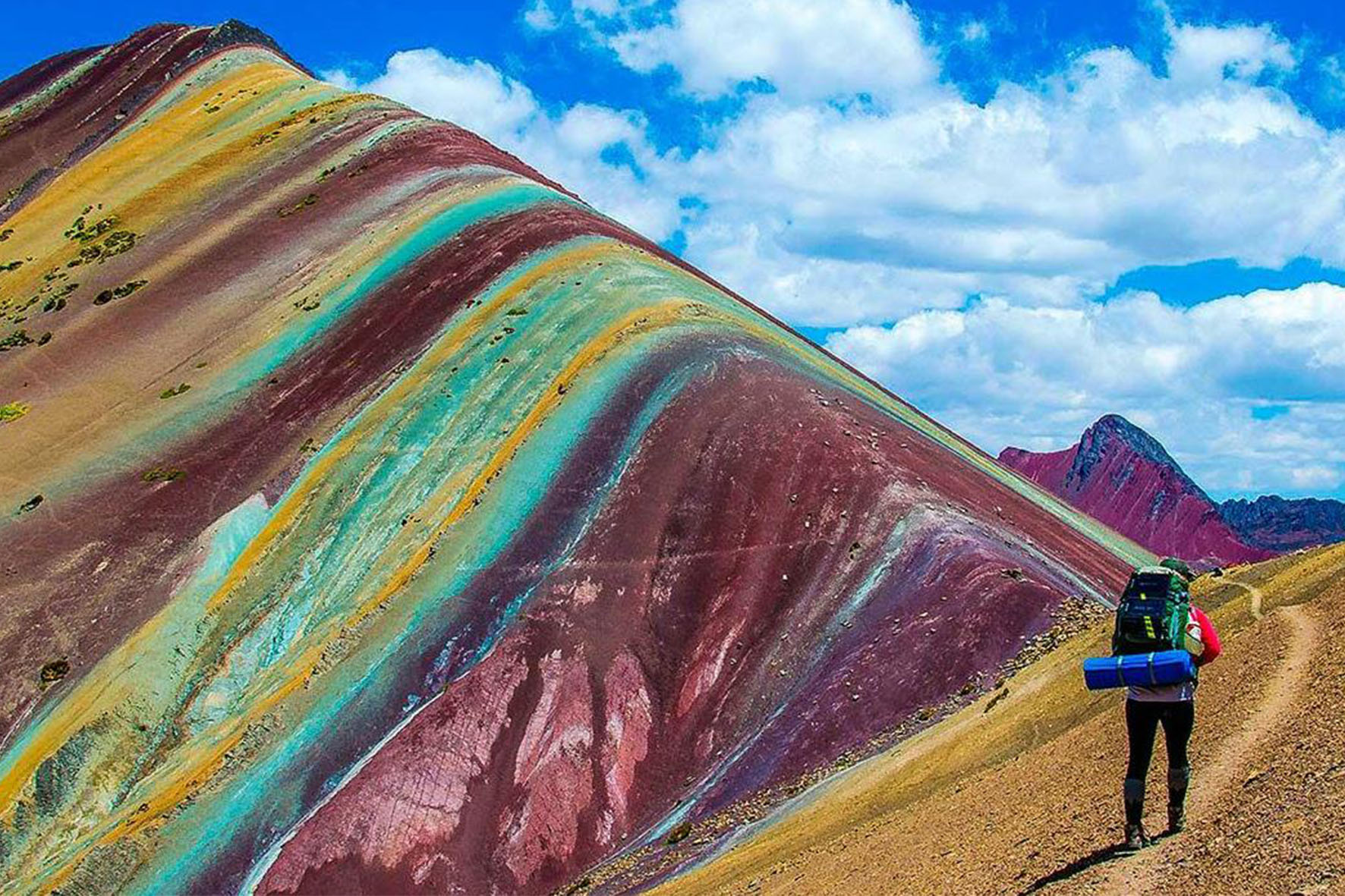
  • Rainbow Mountain: this spot became extremely famous and known in the past 5 years, when travellers began to get interested in this amazing mountain, also know as 7-colors mountain. Today it is one of the most beaten path in Peru. The mountain, with its height of 5,200 above sea level, is completely covered by brilliant and colourful sands. This colourful effect comes from the minerals and the rocks which cover the surface of the mountain. Since the hike to reach the pick of the mountain is quite intense, especially if it rains, you can do it by renting horses if you prefer. However, once you get there your effort will be highly rewarded.
Credits: Atlantida.travel 

Credits: Travelholic 

Credits: blog.redbus.pe 

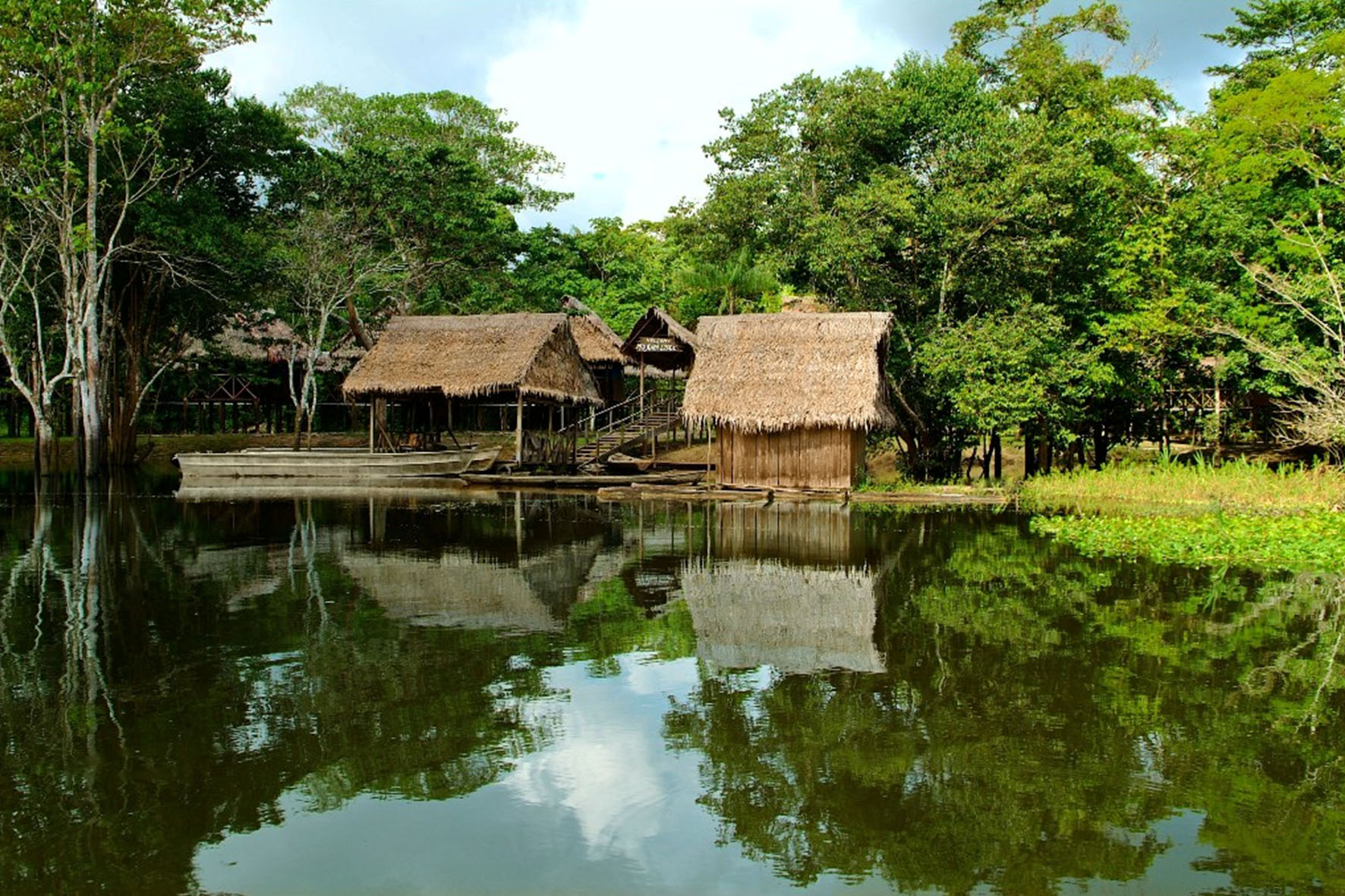
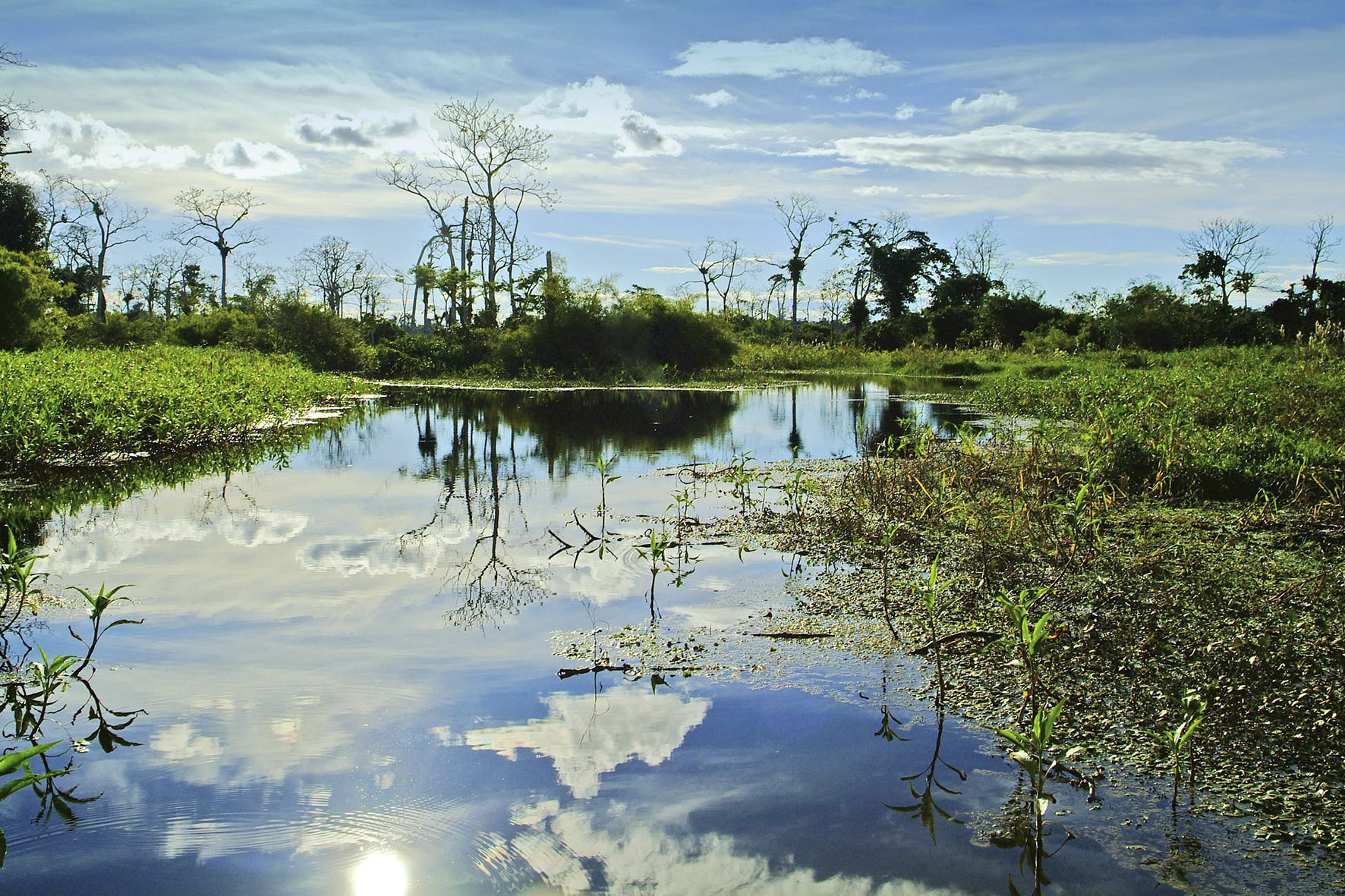
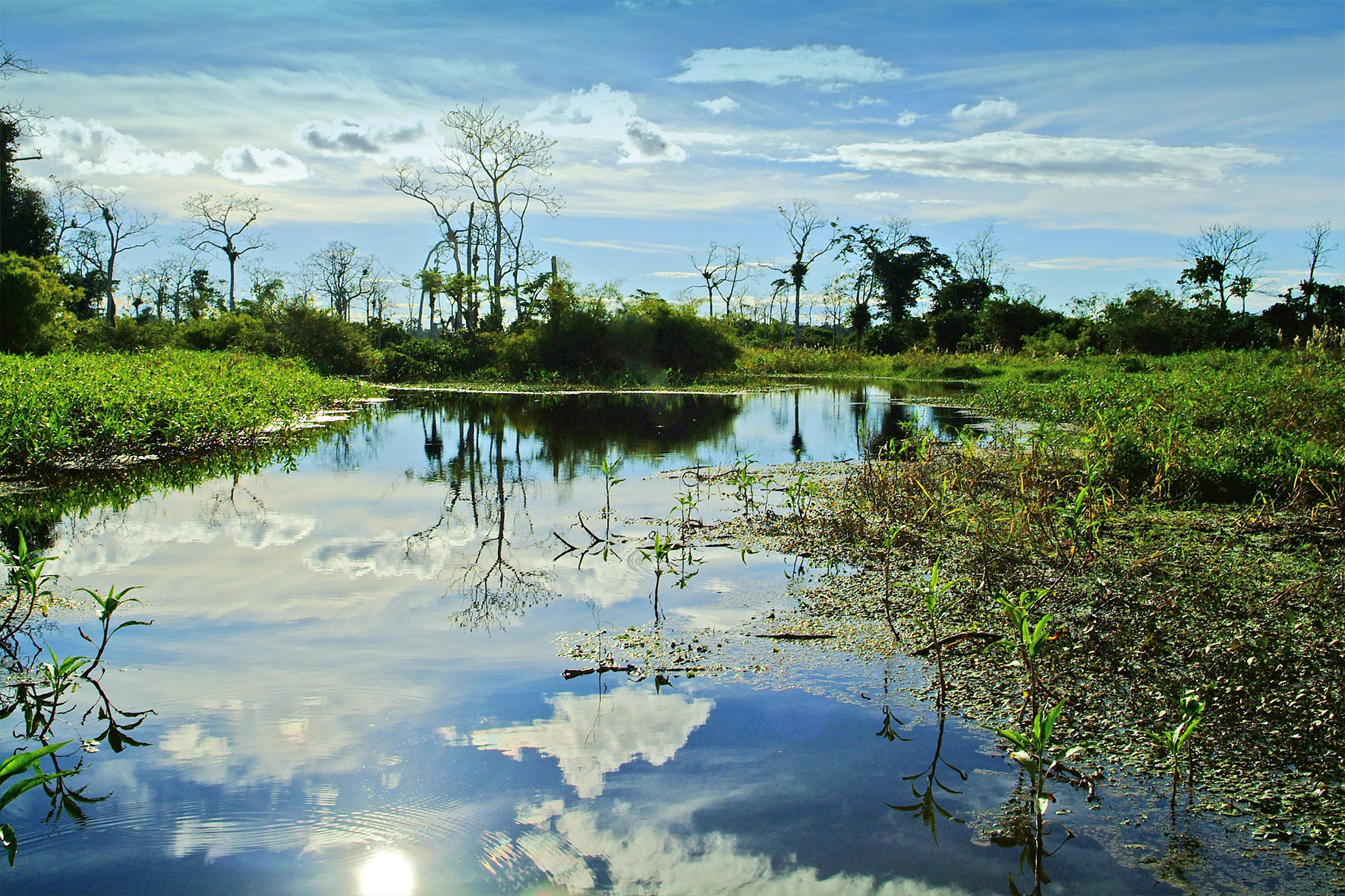
  • Amazon River: one of the most fashinating spot in Peru, where you will be merged into amazing wildlife and hear the sound of the nature. When you arrive to the Peruvian rainforest you have to get to the lodge you selected, and you usually have to take a rustic and traditional boat, called by locals “lancha”, for a river ride which could be short or long depending on the location of your accommodation. During the ride you will connect with the sound of the river and the amazing wildlife of the jungle, which will transfer you in a peaceful atmosphere. If you happen to arrive at your destination around sunset you are pretty lucky and can enjoy beautiful views of the river and the jungle’s flora. That’s the perfect time to get amazing shots.

Actually these are only few of the amazing places you can find in Peru, so grab your camera and best photo equipment, book your trip and come to Peru to get incredible travel photos.

Peru Peru Destinations What to do

Peru’s Off The Beaten Path Places

Let’s start this blog article with a very easy and simple statement: Peru is not only Cuzco and Machu Picchu! This is what we actually try to make travellers understand all the time. Peru offers much more than a worldwide recognized wonder which is indeed worth the visit, but you can plan to visit so many other places. To accuretely discover and fully experience Peru you would definitely need more than few weeks, you actually need several months, perhaps half a year and not even get a real sense of what Peru is and can offer in term of amazing landscapes, beautiful sites, marvelous handycrafts, delicious food, exotic ingredients, and charming culture, traditions and folklore.

Here we tried to include the best off the beaten places you can visit to get a better and deeper sense of this amazing country!

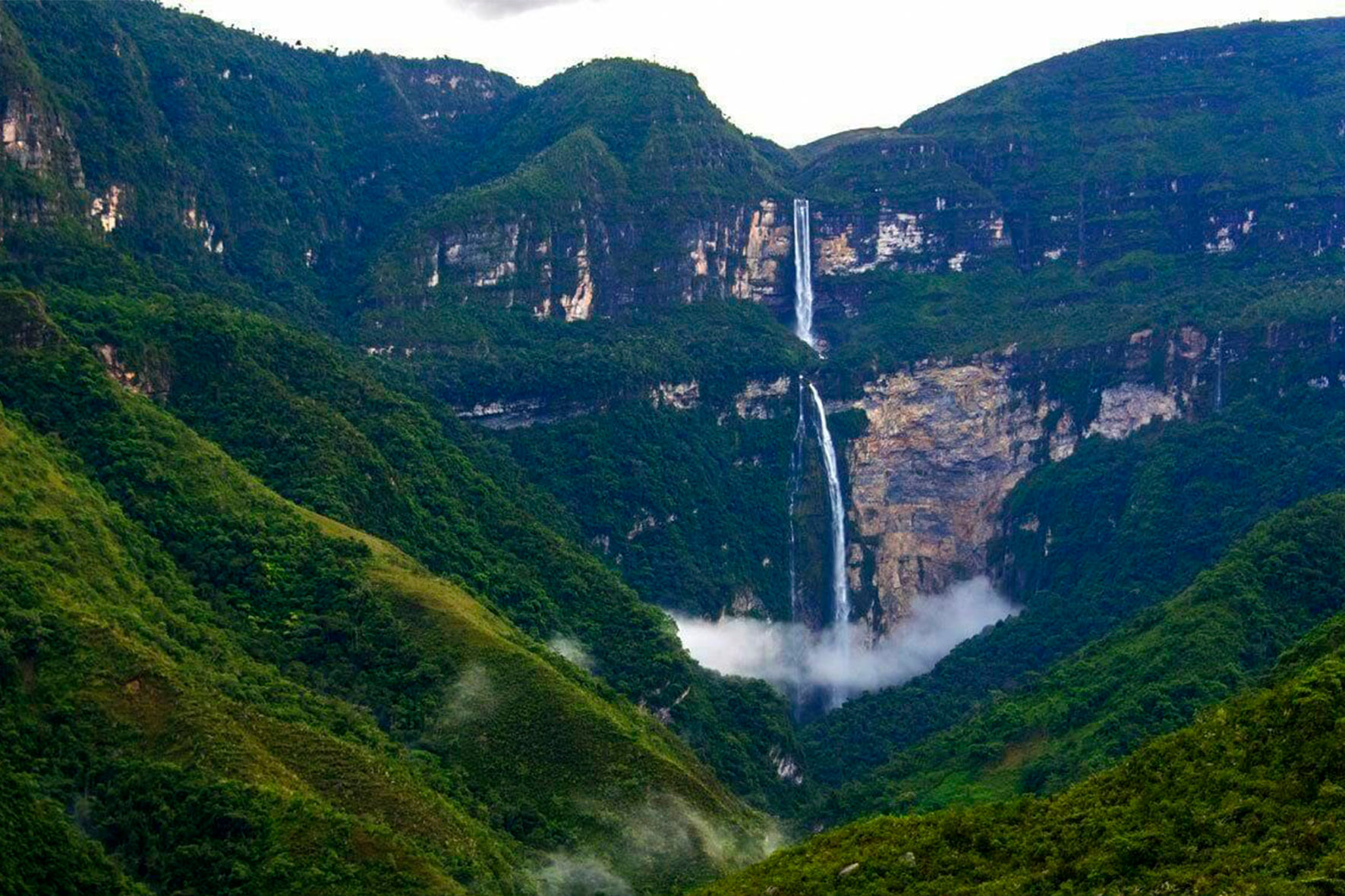
Gocta Waterfalls: This amazing sight is located in Chachapoyas province of the Amazonas region in the north area of the country. The waterfalls have been discovered since 2002 by the German economist Stefan Ziemendorff, but the site was revealed to the whole world only in 2006 during a press conference. This two-tiered waterfall which flows into the Cocahuayco River, is considered one of tallest waterfall in the world and one of the quitest and the most peaceful places in Peru, perfect for relaxing trip and meditation retreat. You can reach the site via Chachapoyas or Tarapoto by plane or by bus as well. In the past decade the area became more equipped for tourists, so several lodges, hotels and restaurants popped up, but the place still remains very quite and definitely worth a visit, especially if you love being merged into nature and wildlife listening to the calming sound of the waterfalls.

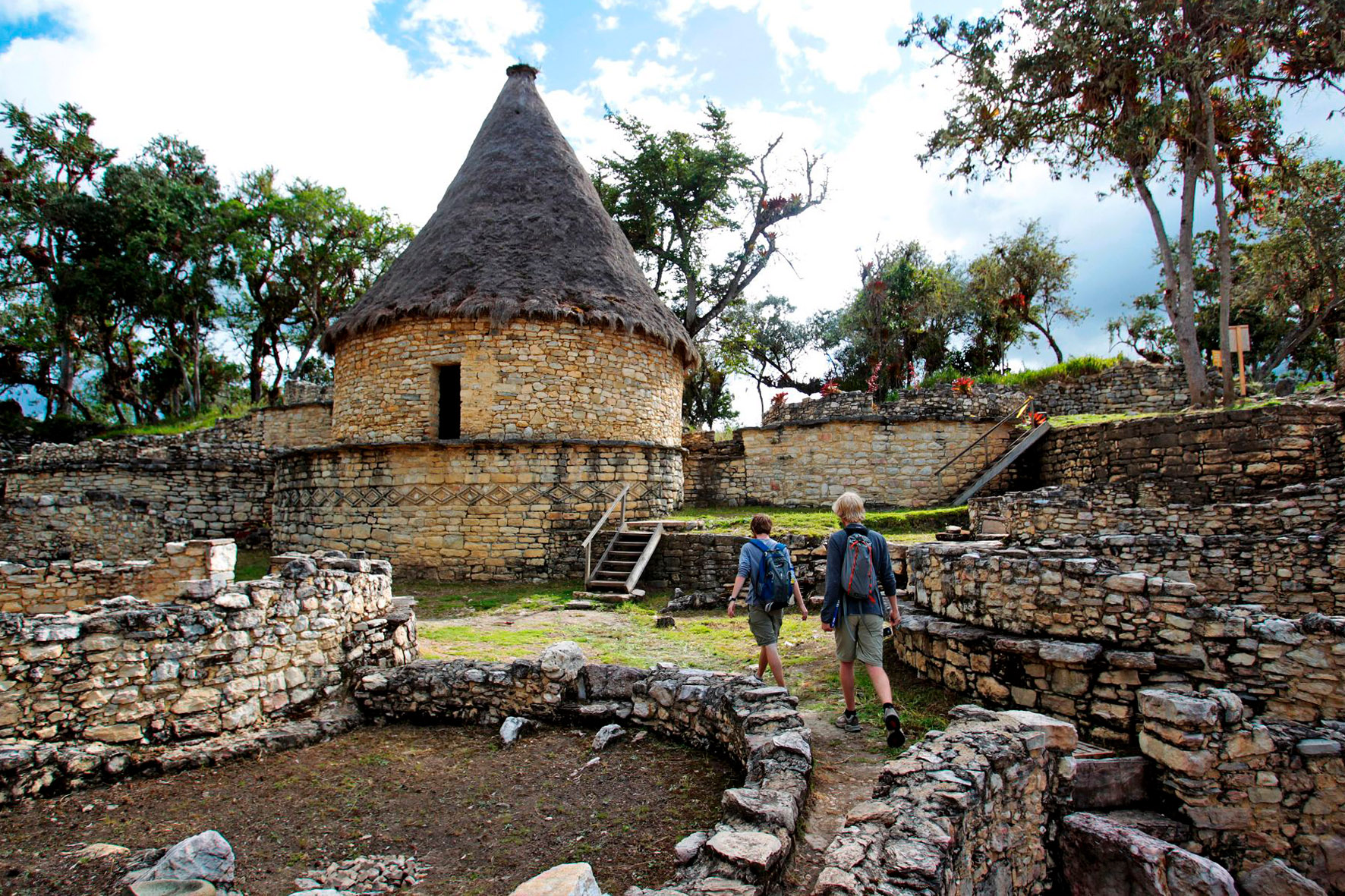
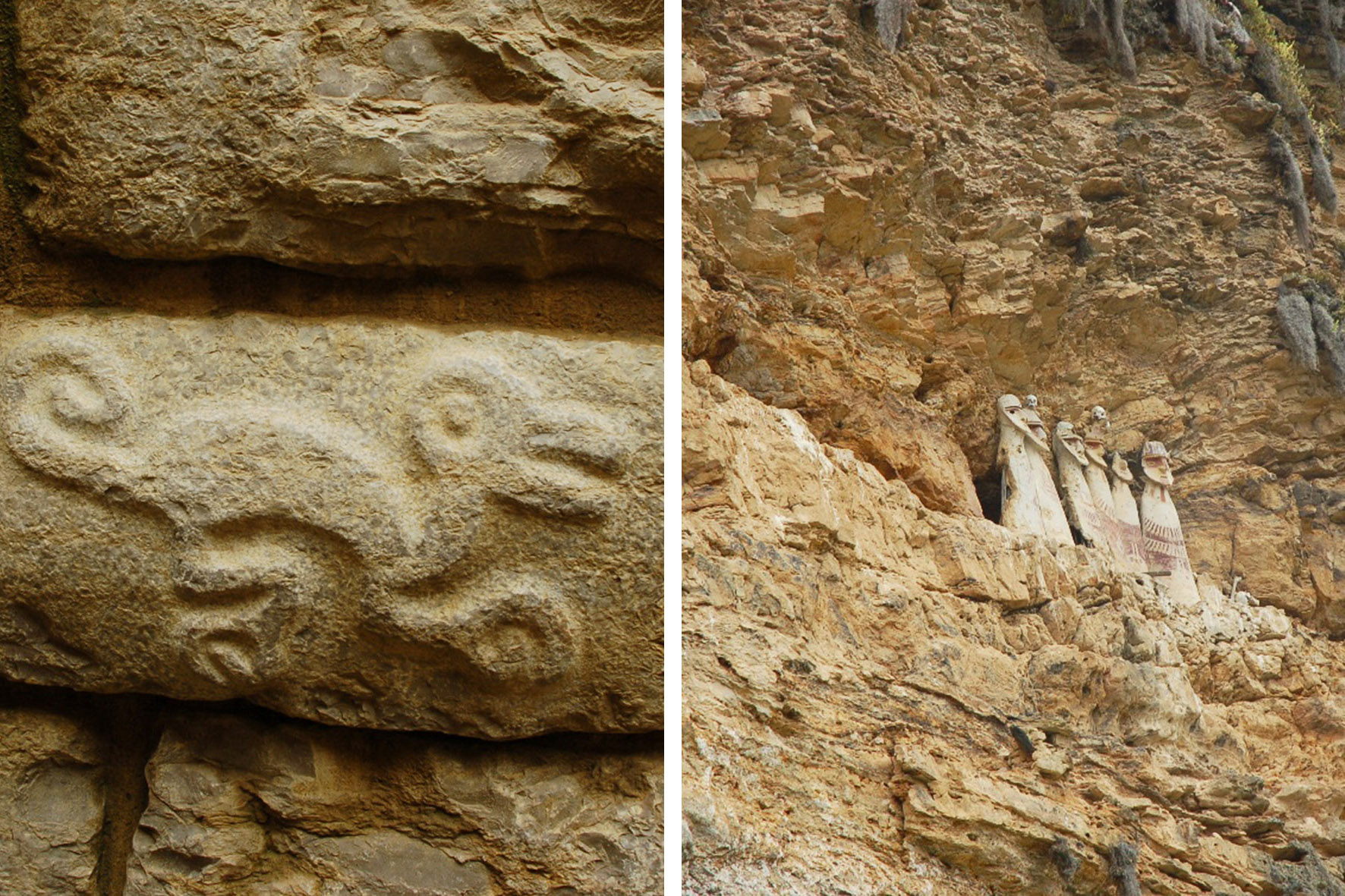
Kuelap Fortress: this is an amazing archeological site located in Longuita District in Chachapoyas province as well, in the southern part of the Amazonas region. The site covers a territory of approximately six hectares. The Fortress is a majestic sample of 900-1100 AD architecture, located 3000 meters above sea level, made out off massive limestone blocks, they can weight up to 3 tons. The Chachapoyas civilization built the fortress which was home of the Warriors of the Cloud. It was abandoned during the Spanish Conquest in the XIV century and rediscovered in the XIX century. You can reach it via Chachapoyas or Tarapoto by plane or by bus as well. The government has invested in Kuelap as turistic destination in the last years and a cable-car for tourist to reach the fortress has been implemented. The area has several accommodation and restaurant options and it is considered a very pleasant place to stay a couple of days.

Credits: T News

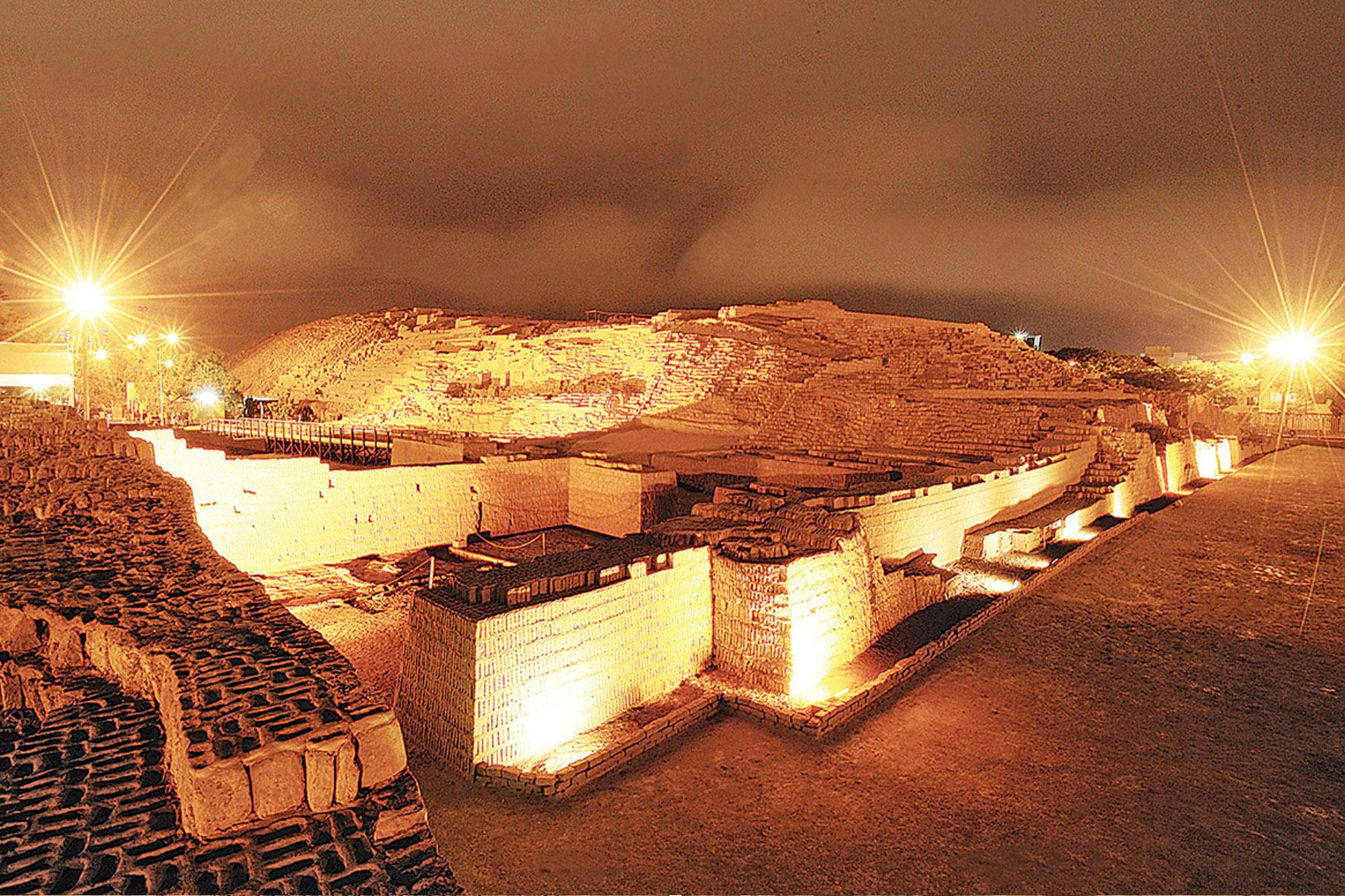
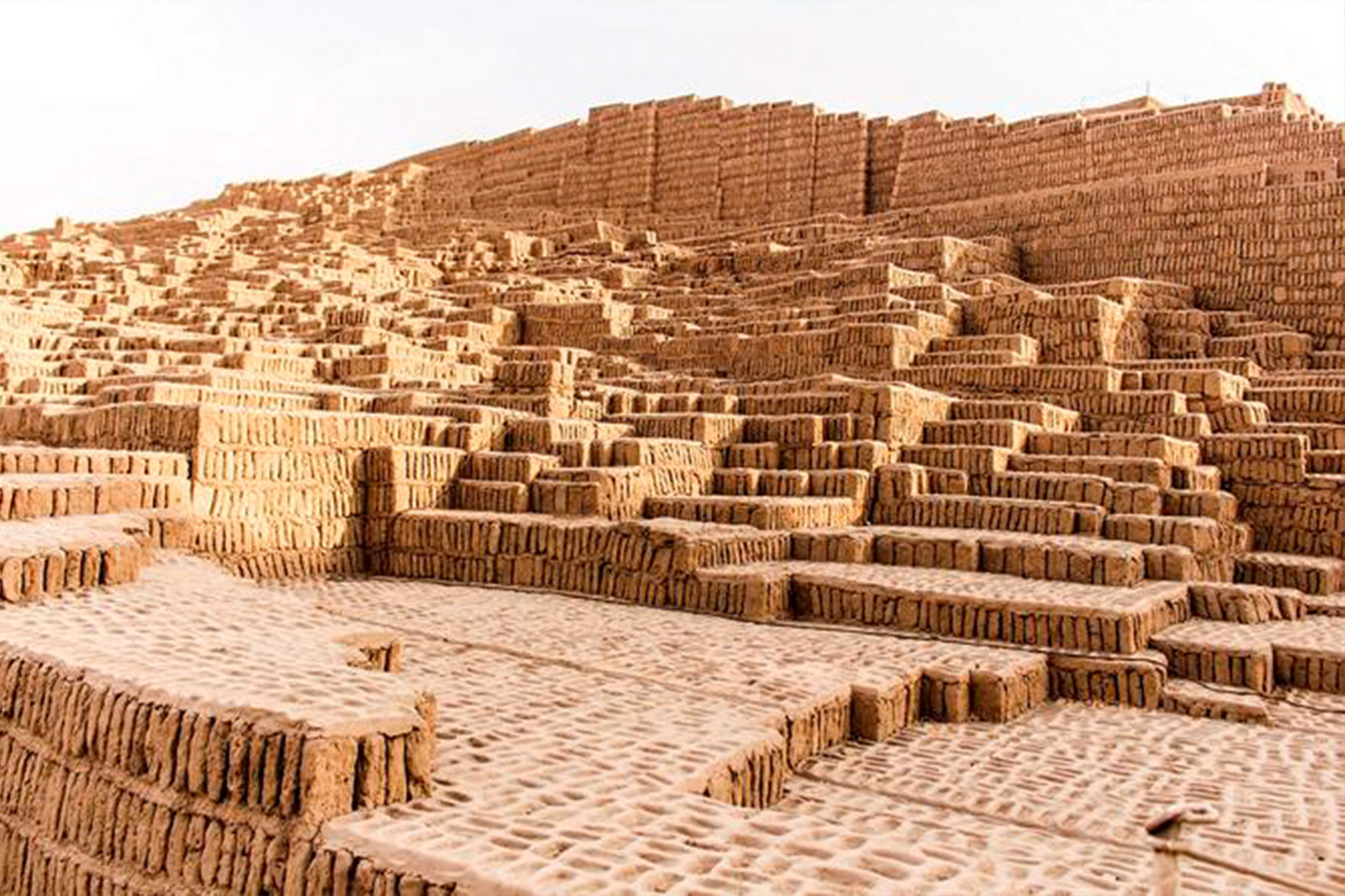
Huaca Pucllana: this is a stone complex located in the heart of Peru’s capital city, in the vibrant district of Miraflores. This was an administrative and ceremonial center for the Lima culture. Not many tourists opt for a visit to the Huaca Pucllana, but we always suggest to spend a couple of hours there, preferebly in the morning, so that you have time to visit the museum and have a lunch at the beautiful restaurant overlooking the archeological site as wel. What is really fashinating about this archeological site is that is now merged among contemporary architecture buildings, it is worth a visiti if you happen to stay in Lima for a couple of days.


Credits: Inbound Peru

Credits: Viator

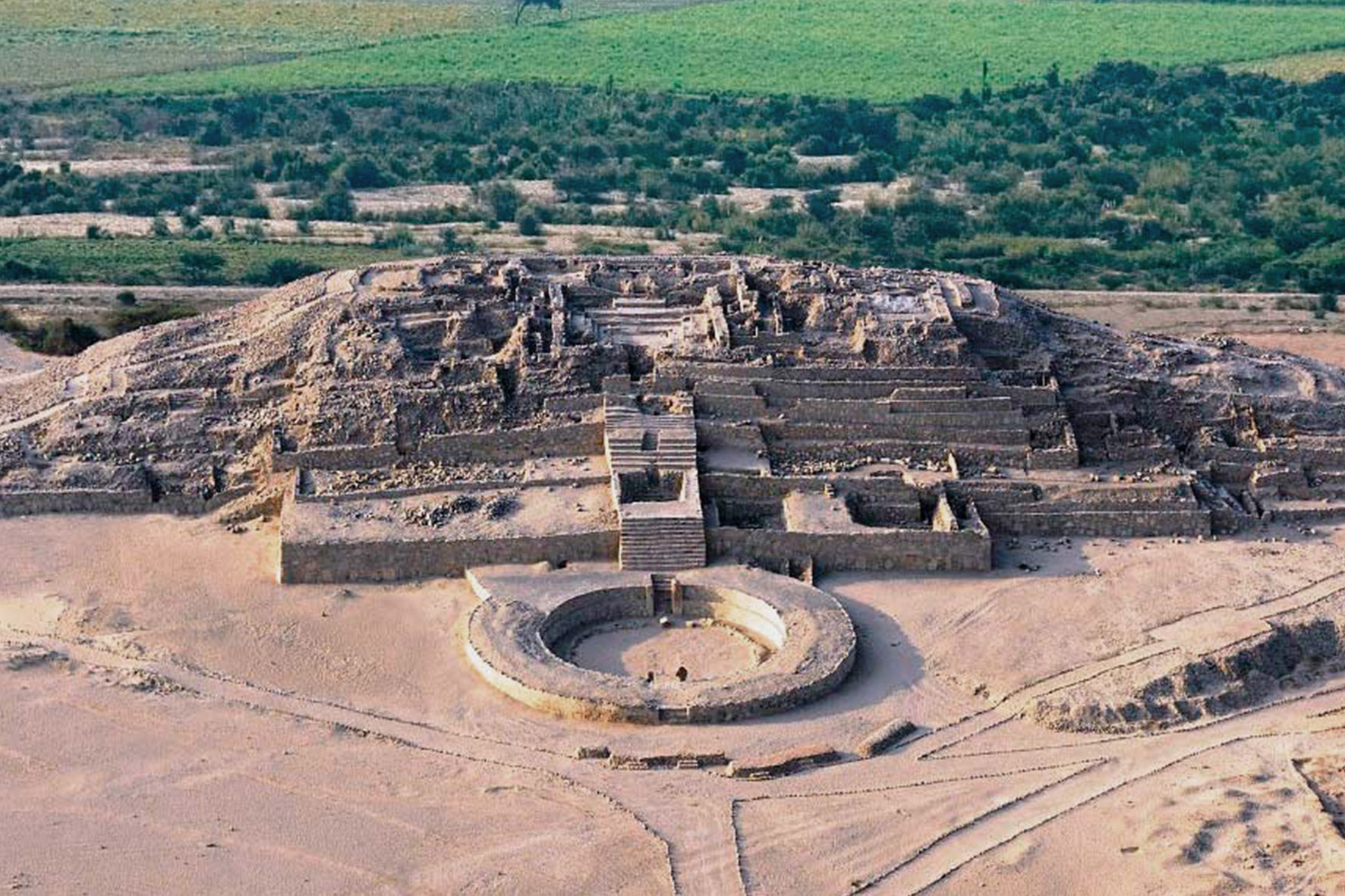
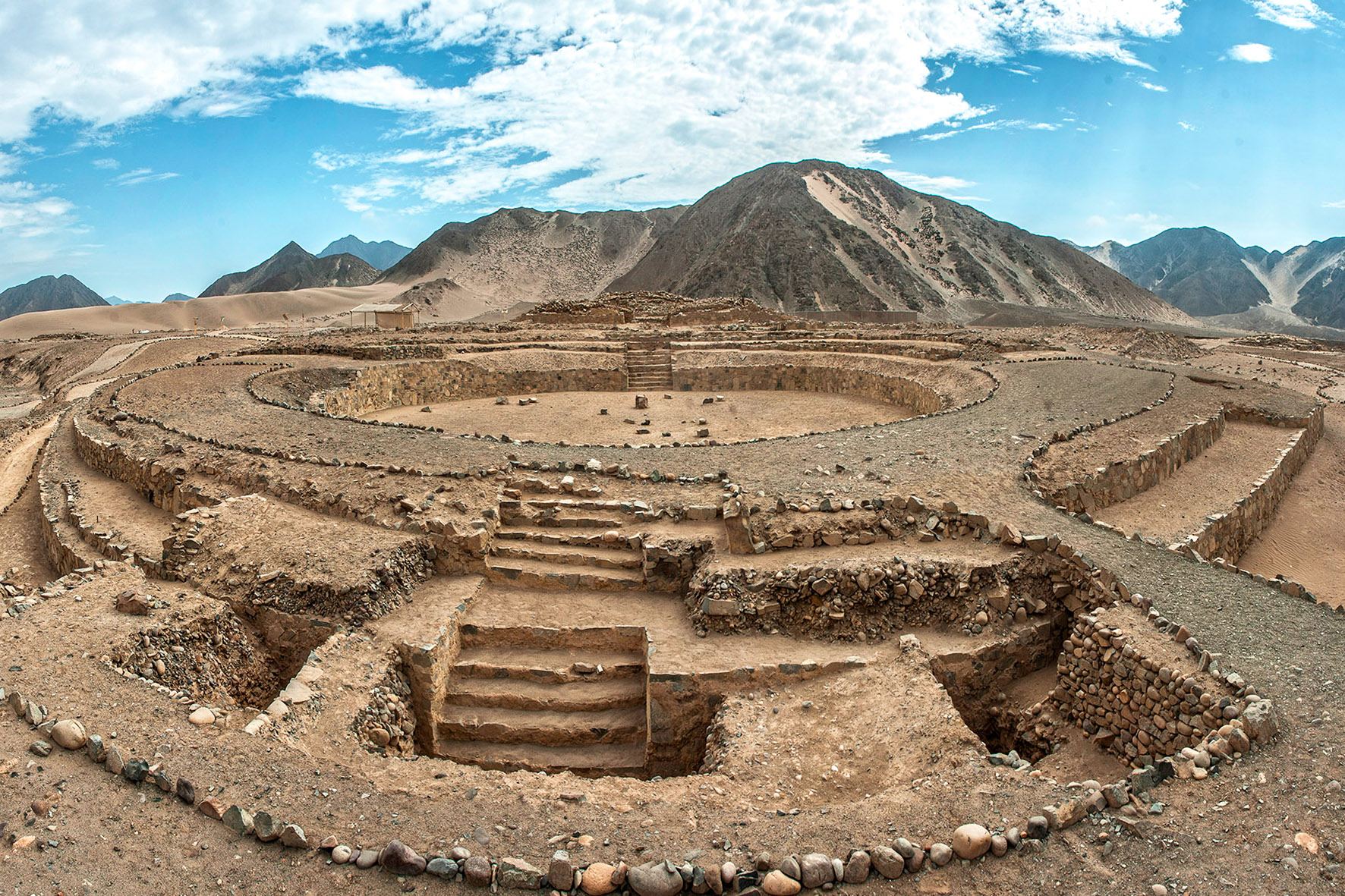
Caral: this site has been includeded in the World’s Heritages list by UNESCO, located on a dry-desert terrace 200 km north of the capital city, represents the origin of the Andean culture. The site still appears intact with its six pyramids and it is merged in an area where there is no sign of the new civilization, that is why you can enjoy an authentic landscape there. It is an ideal option for a day-trip from Lima.

Credits: Apuntes de Historia

Credits: Ministerio de Cultura

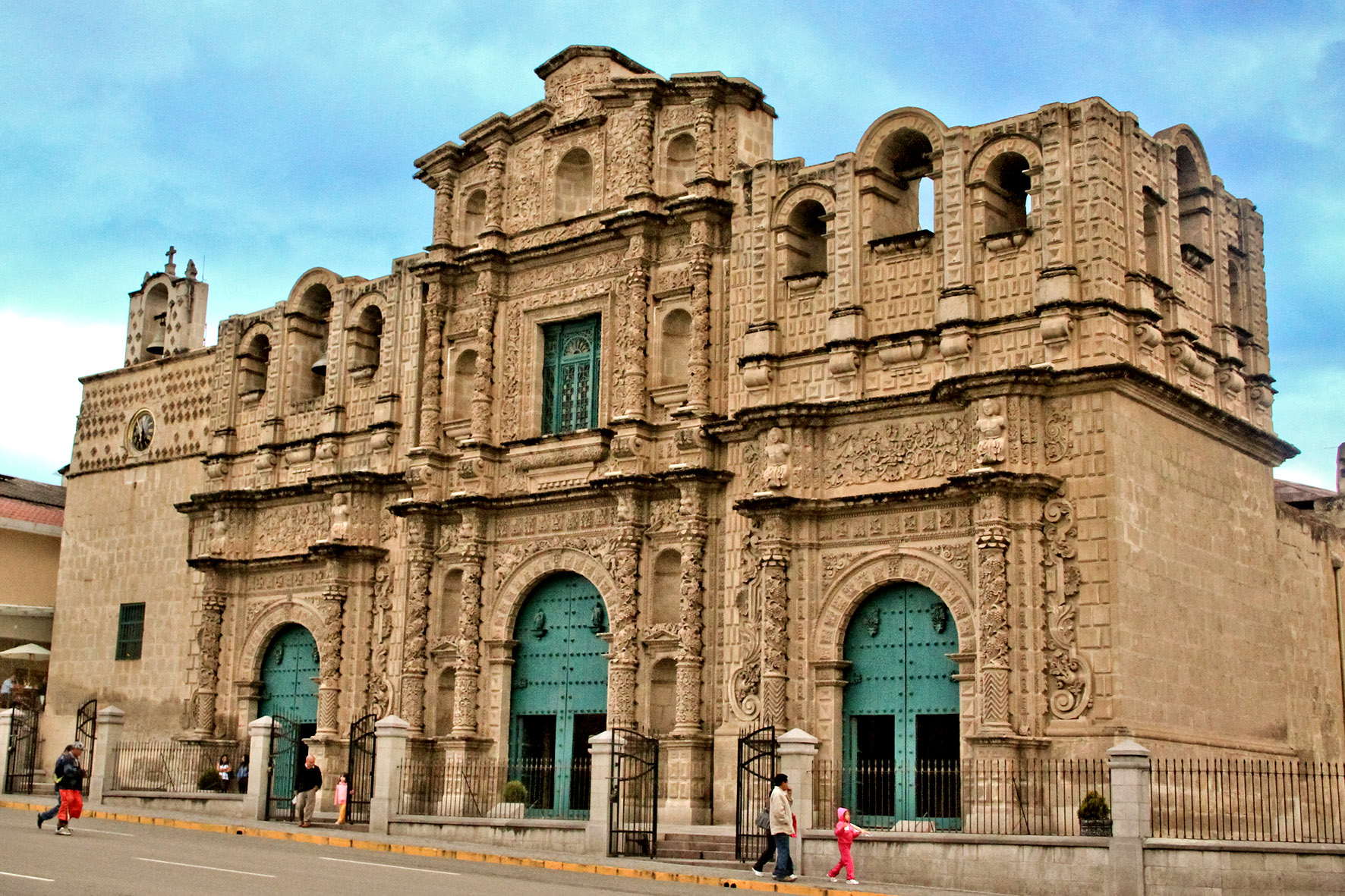
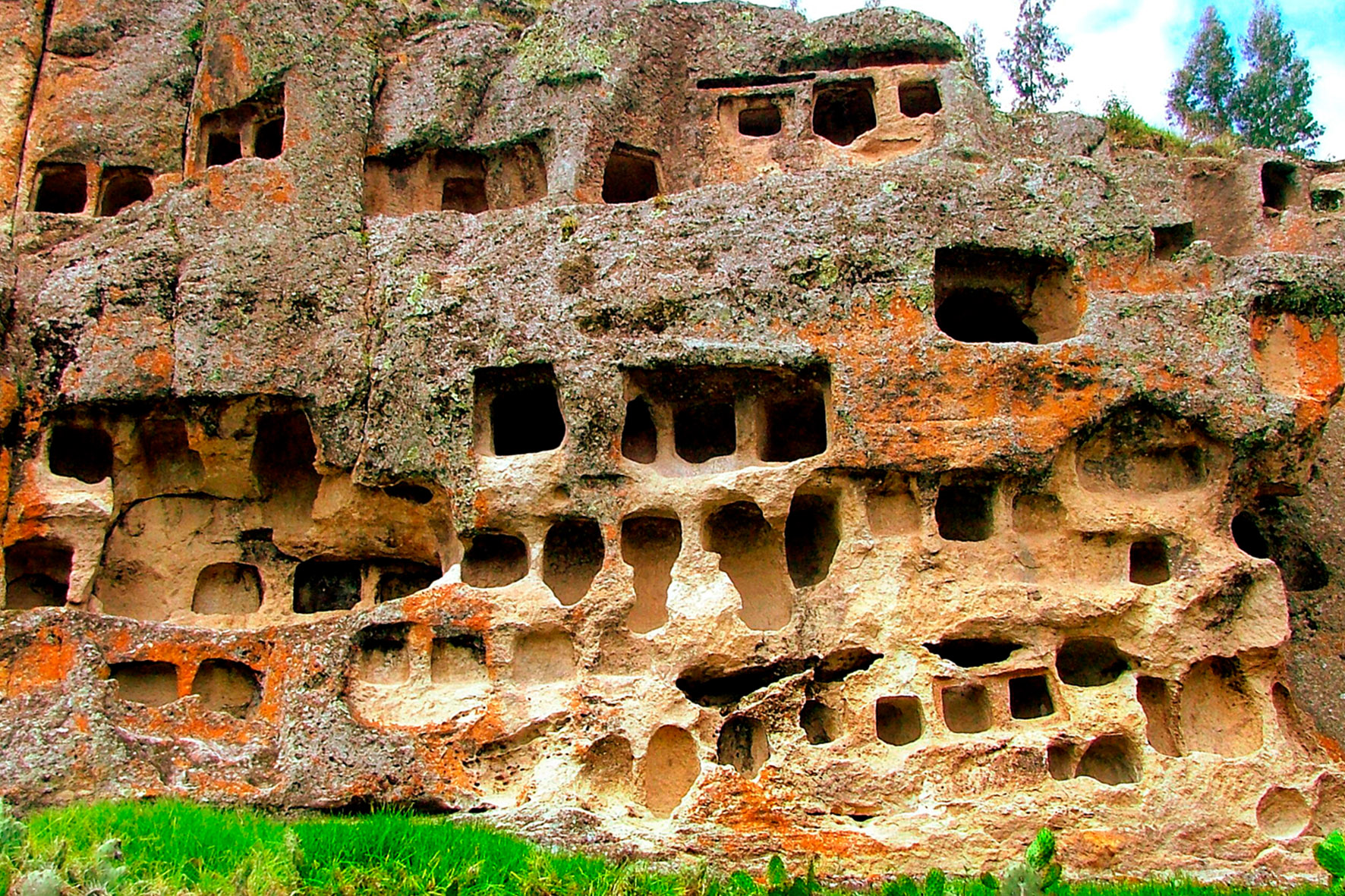
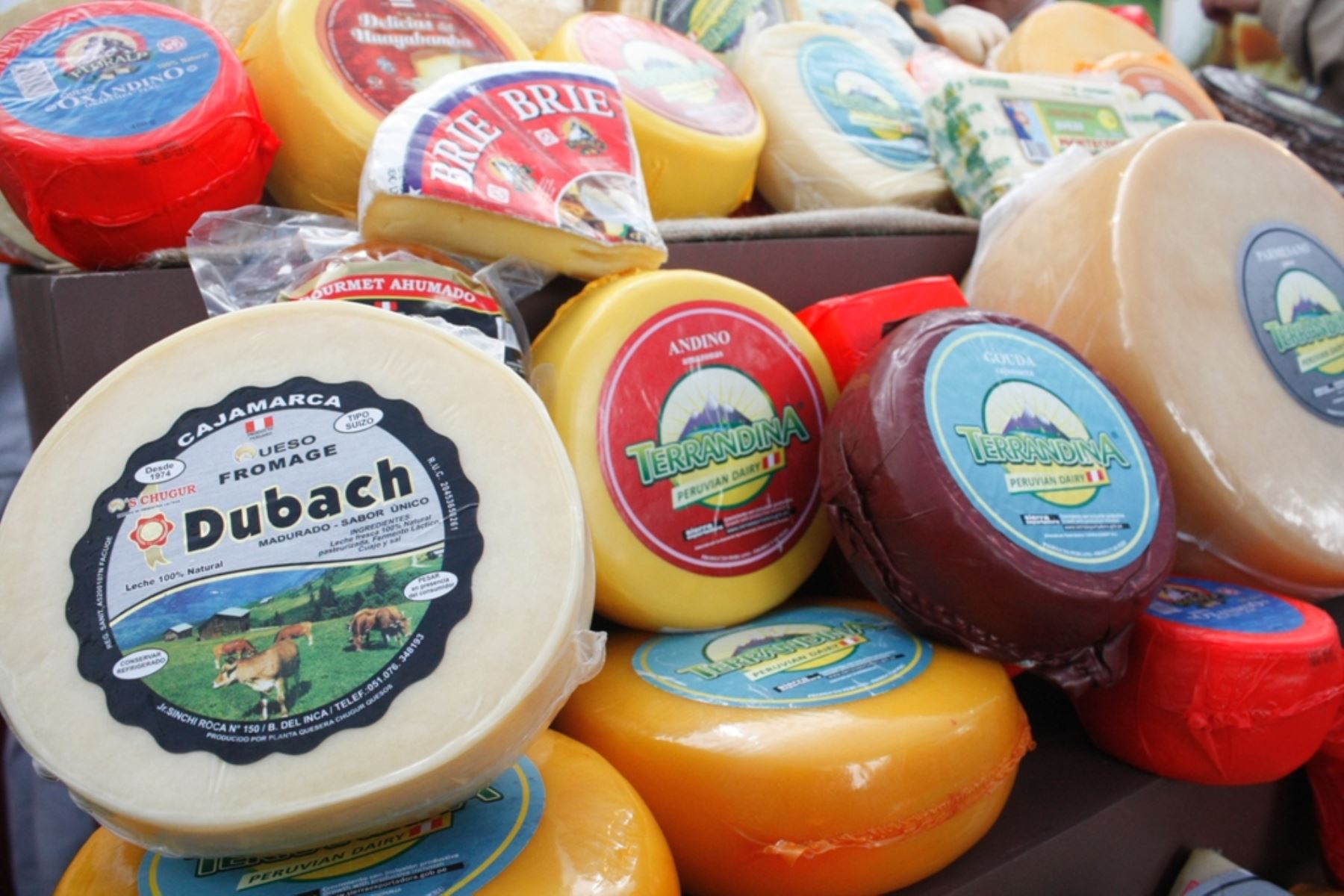
Cajamarca: this is the capital city of the Cajamarca region located in the northern Peruvian Highlands in the valley of the Mashcon river. Here you can enjoy a very pleasant stay, visiting the churches, samples of Spanish colonial architecture, such as the Church of Belen and the city’s Cathedral, trying the delicious food and local products, the area is famous for its local variety of cheese, visiting the Plan Manzanas waterfall if you love trekking and more. You can reach Cajamarca by plane or by bus.

Credits: Wikipedia

Credits: CulturaCredits: Andina

There is still so much to discover in Peru, a country full of hidden treasures. We loved suggesting new sites to visit to our travellers and let them explore the infinite touristic routes and unknown destinations the country has to offer.

Cusco Peru Sacred Valley

Top Sights in the Sacred Valley

Many tourists coming to Peru are definitely more interested in Lima, Cusco and Machu Picchu and the majority of the time they skip a visit to the Sacred Valley of the Incas. In my opinion that’s a BIG BIG BIG mistake, since this place is magic, here you can find a very special energy that you are not able to find in any other place in Peru. I believe the name “Sacred Valley” can better define what I actually mean. This is a spiritual place where you can definitely recharge your battery after the tiring excursion to Cusco and Machu Picchu. Here a list of places you should not miss once in the area:
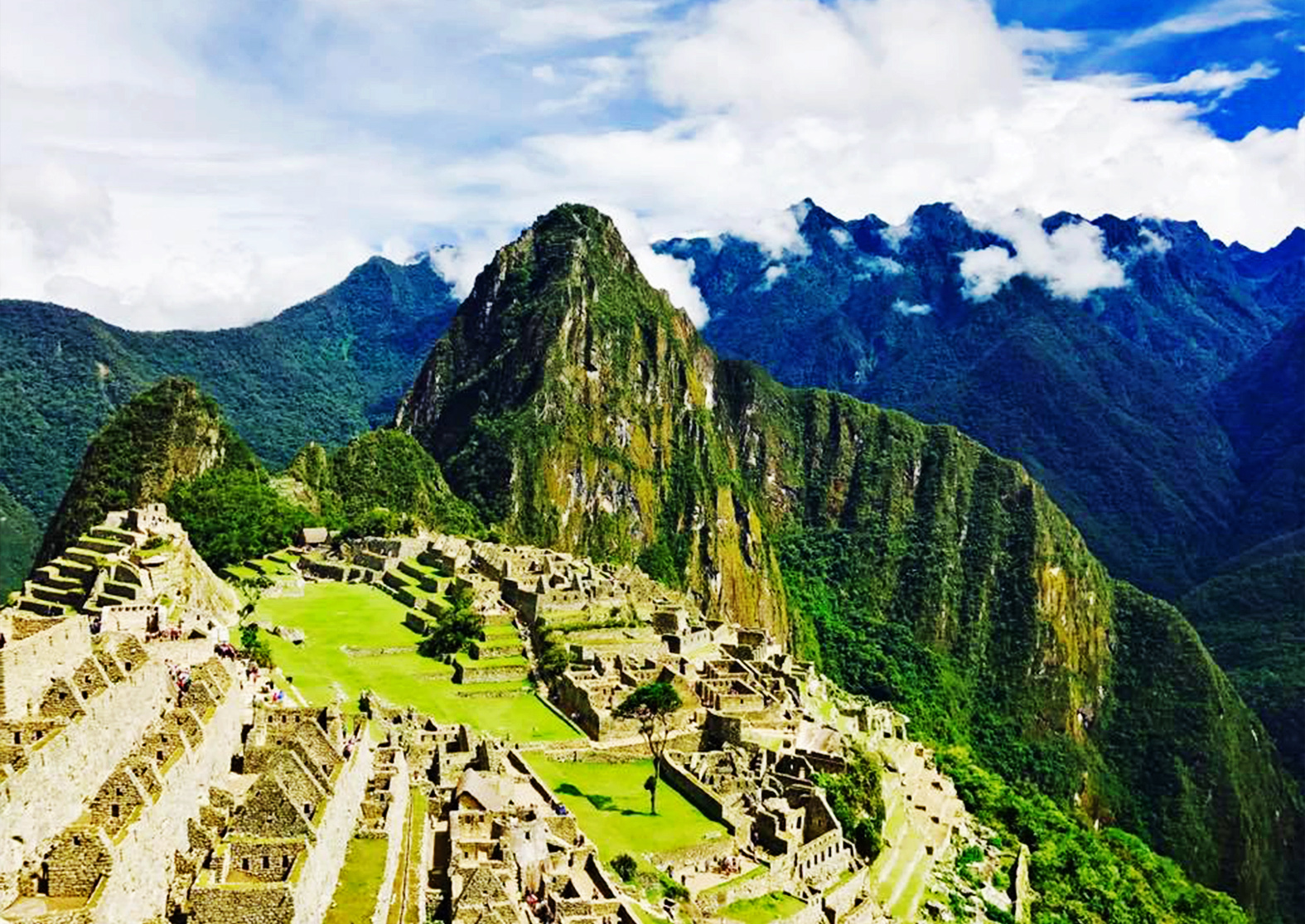
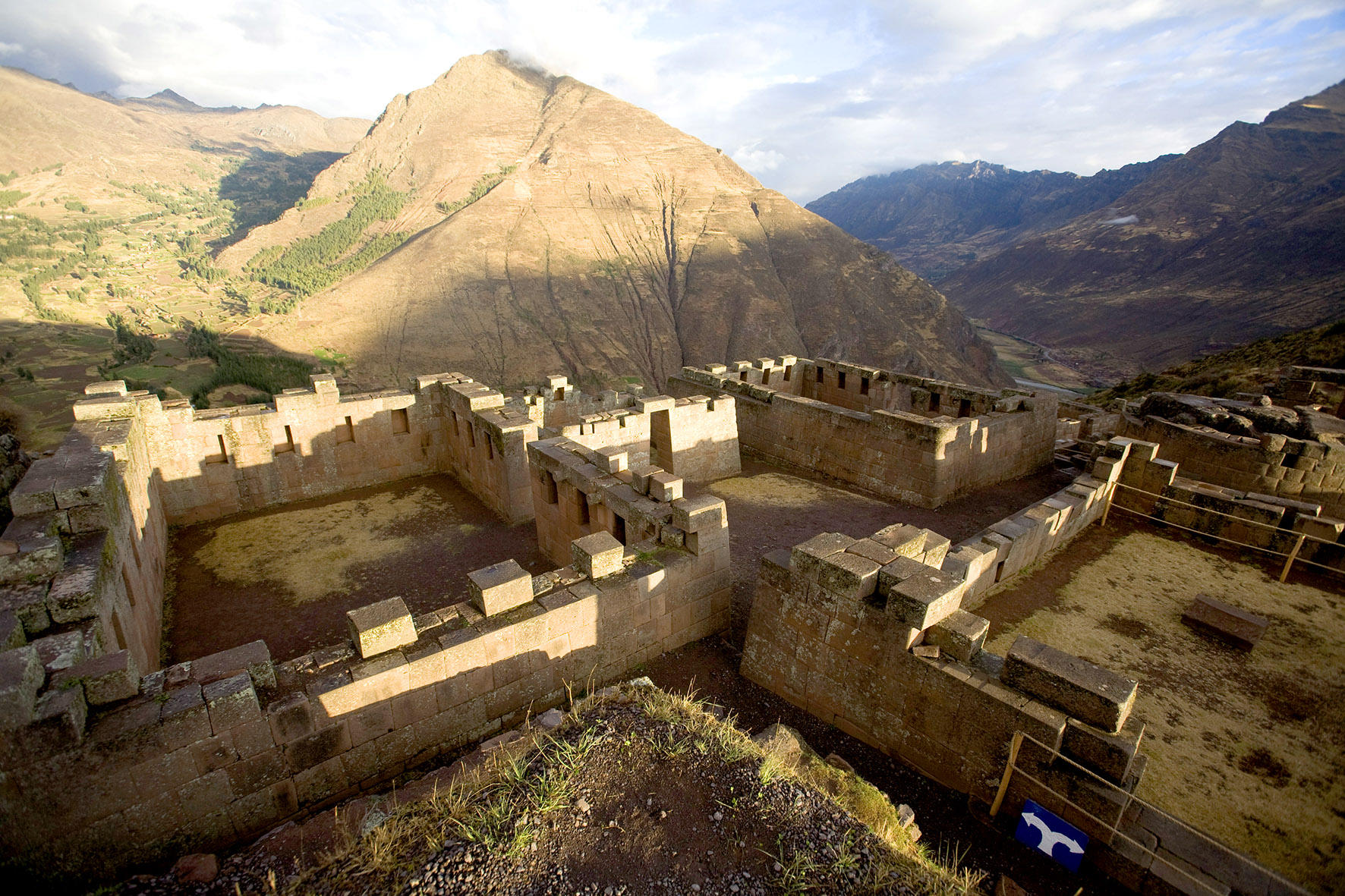
Pisac Ruins: The small town of Pisac is located 32 Kilometers (20 Miles) from Cusco. On the top of the modern town there are the ancient ruins, which consist of a vast amount of agricultural terracing and a small Inca village. Made up of groups of terraces, the outline of the site forms the shape of a giant condor. In ancient times the condor was considered to be the messenger of the sun, and the one who was in charge of carrying the spirits of the dead onto the world beyond. For this reason Pisac was also considered to be a place of great spiritual worship.

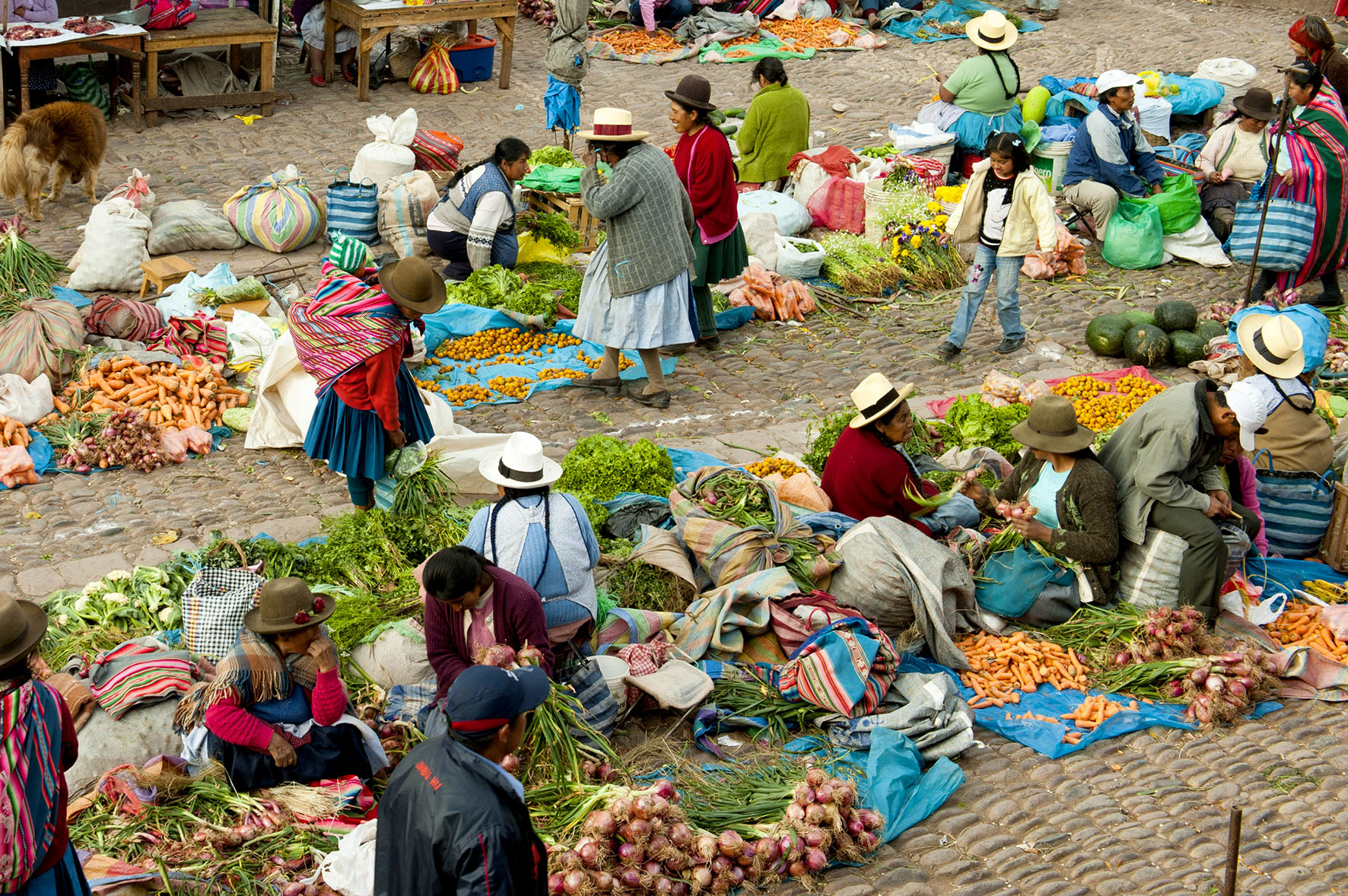
Pisac Market: Peru’s most famous crafts market takes place in Pisac on Tuesdays, Thursdays, and Sunday. This ancient Inca village is nestled in the shadow of an imposing Inca fortress and temple and it is famous for its beautiful and colorful market where tourists can shop for traditional handicrafts and every kind of handmade Peruvian products.

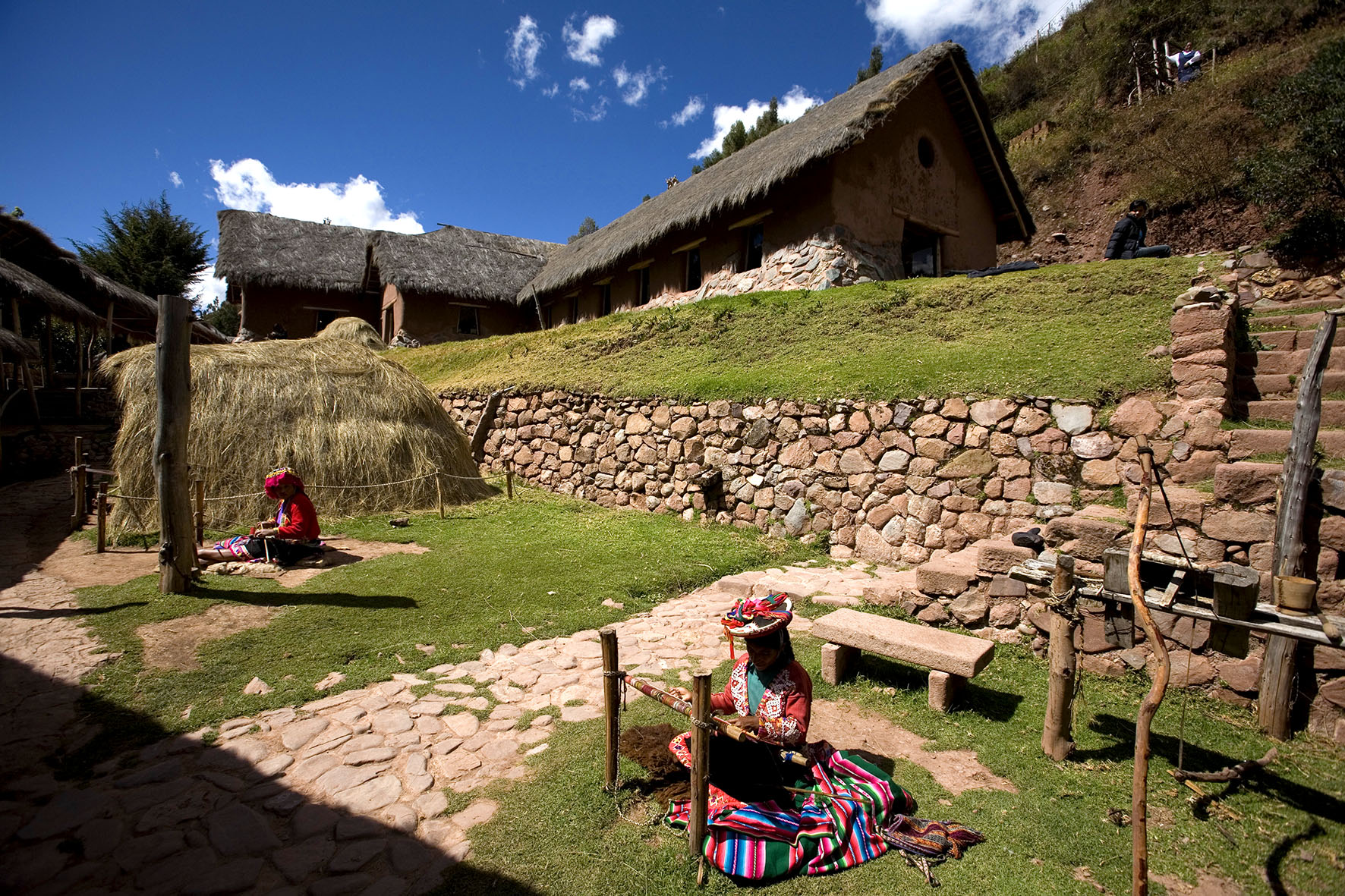
Awanakancha: AwanaKancha provides an opportunity to see products made from South America’s four camelids (alpaca, llama, vicuña, and guanaco) from the first steps of the production process to its end: the animal, the shearing, the textile weaving and dyeing, and the finished products, which you can purchase in the showroom. It makes a great stop for the whole family, as kids usually have lots of fun feeding the camelids on-site.

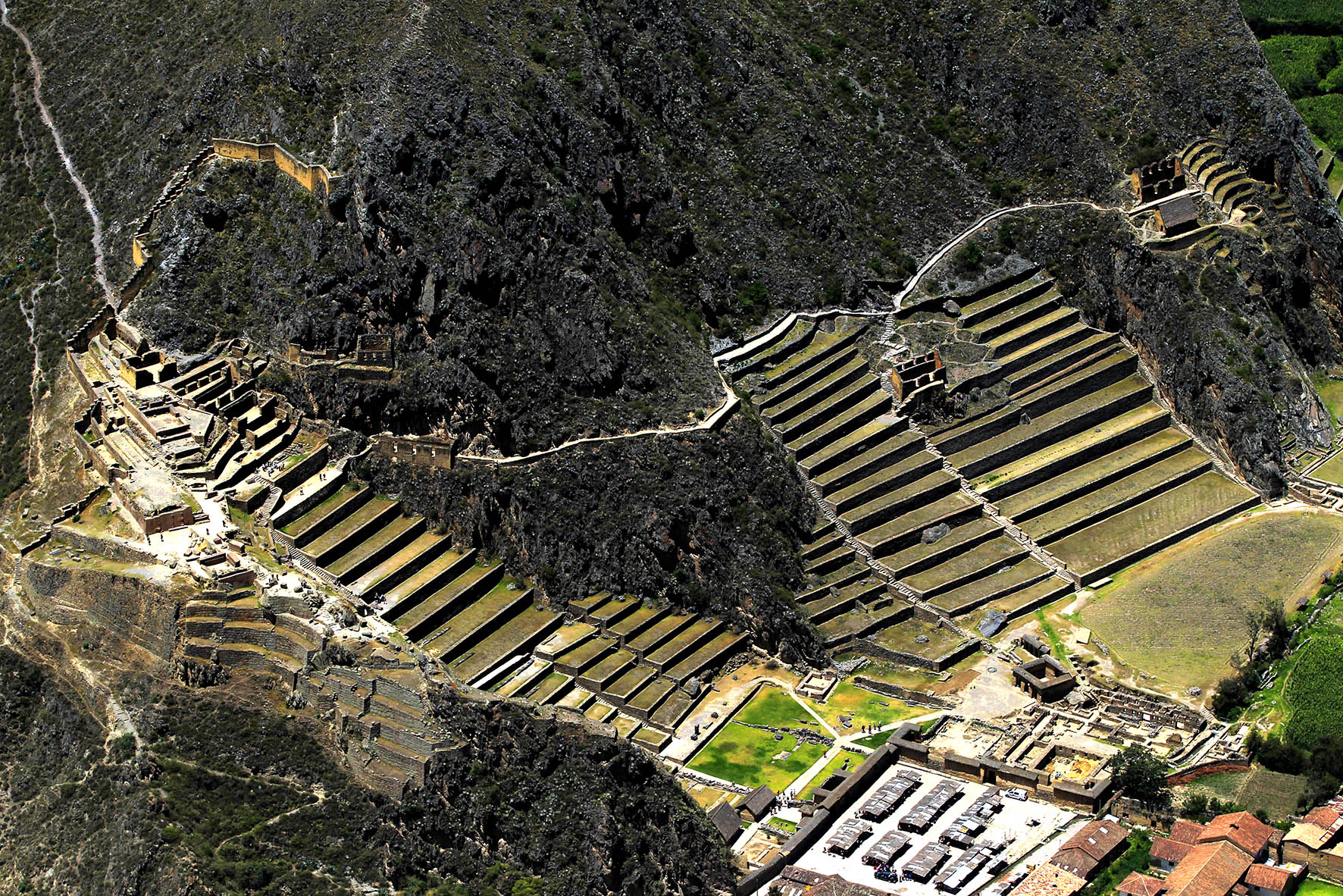
Ollantaytambo Temple: Second in importance only to Machu Picchu, Ollantaytambo includes some of the Inca’s best stonework, including a series of ceremonial baths, elegant trapezoidal doorways, and a sun temple that faces the rising sun.

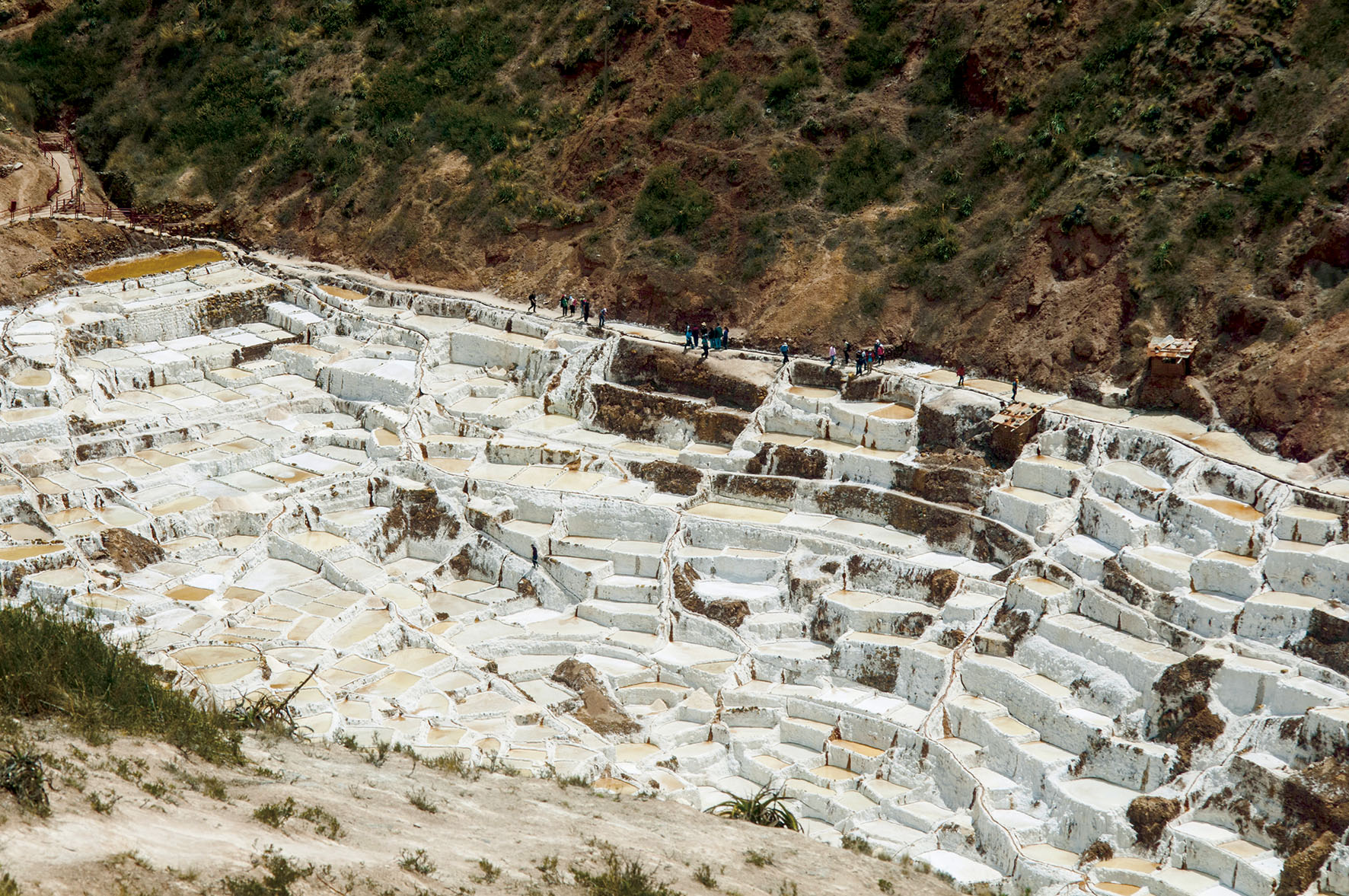
Maras: It was home to the descendents of the Incas of the Hurin Cusco Clan. In Colonial times, it was the first salt producing center of the central – Sierra. This picturesque town is located 53 km northwest of Cusco (1hour drive) by a paved road. The town has a large church and several colonial houses with code-of-arms of noble families on their facades. Close to Maras, at the Peasant community of Pichingoto, there are salt mines, known locally as “salineras”. Landscape is awesome in this area.

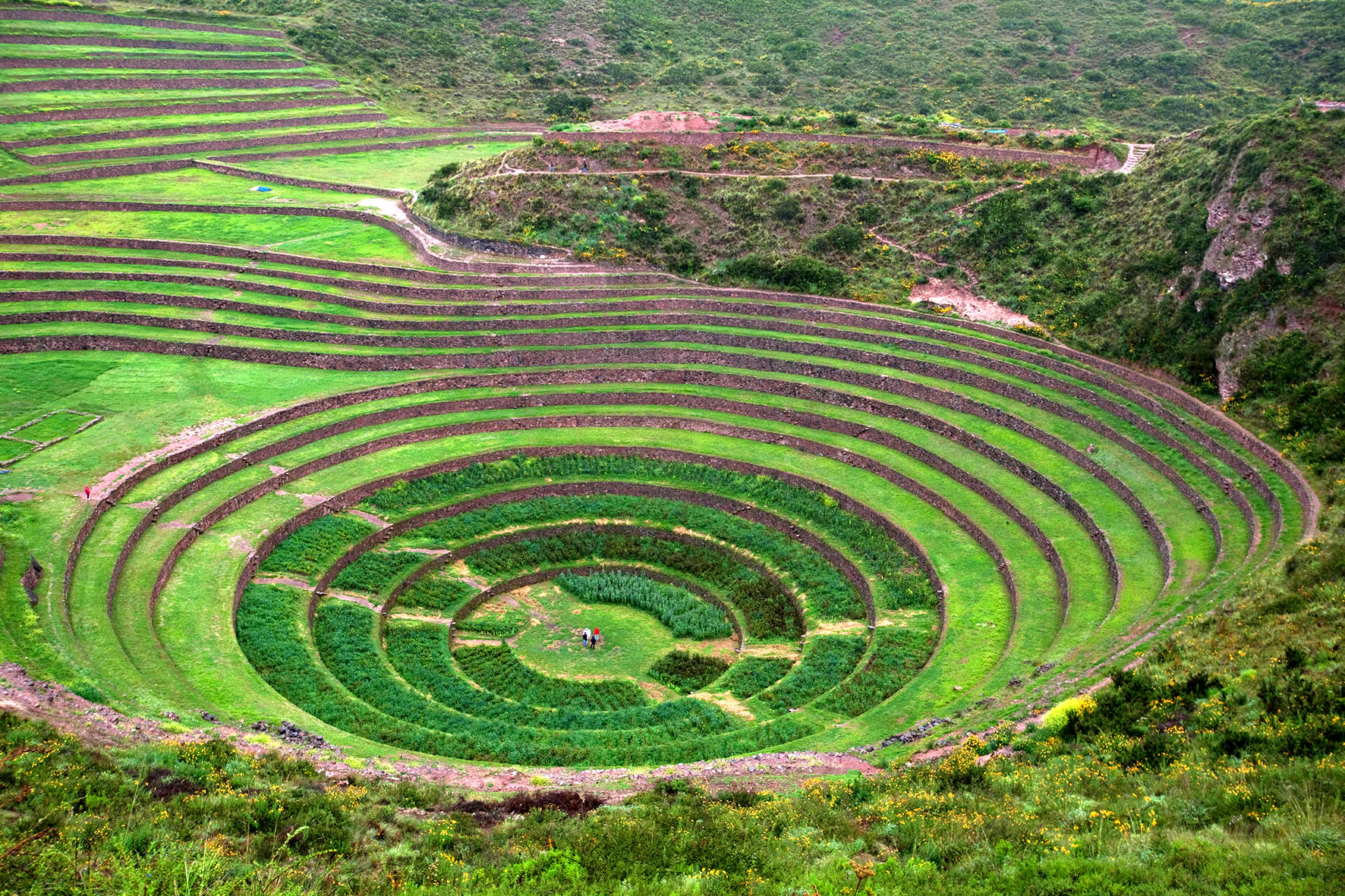
Moray: Located 9 km west of the town of Maras, along an unpaved road, his archeological site is perhaps one of the most mysterious of the pre-Hispanic Cusco area. The site consists of a large irrigation system and a series of concentric agricultural terraces, constructed by means of stone retaining walls. The location is believed to have been an enormous agricultural laboratory in which the Incas purposefully created several microclimates in which they grew a variety of crops.

Chincheros: Known to the Incas as the birthplace of the rainbow, this typical Andean village combines Inca ruins with a colonial church, some wonderful mountain views and a colorful Sunday market. On a high plain with sweeping views to snow-laden peaks, it’s quite beautiful. Since it is very high, it’s unwise to spend the night until you’re somewhat acclimated.

So remember once in Peru do not forget to visit the Sacred Valley. If you have already traveled there and you have more suggestion feel free to add tips and recommendations in the comments.


Arequipa Peru

Four Must-try Culinary Spots in Arequipa

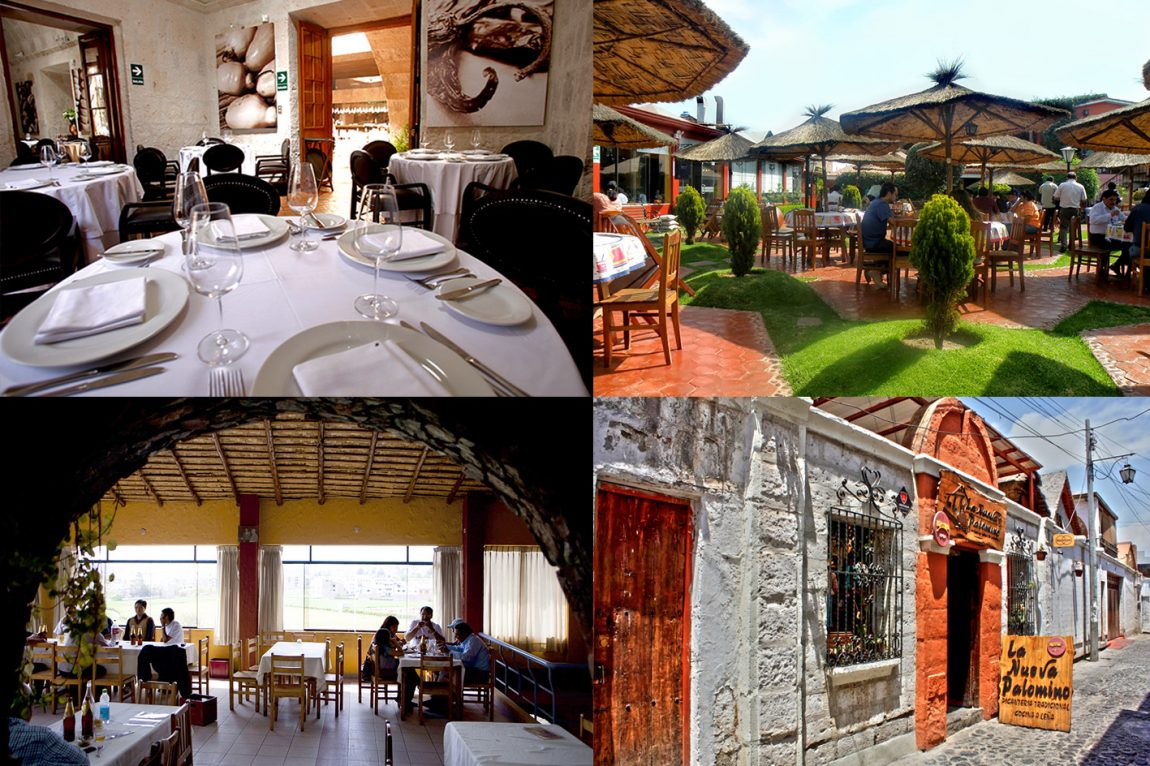
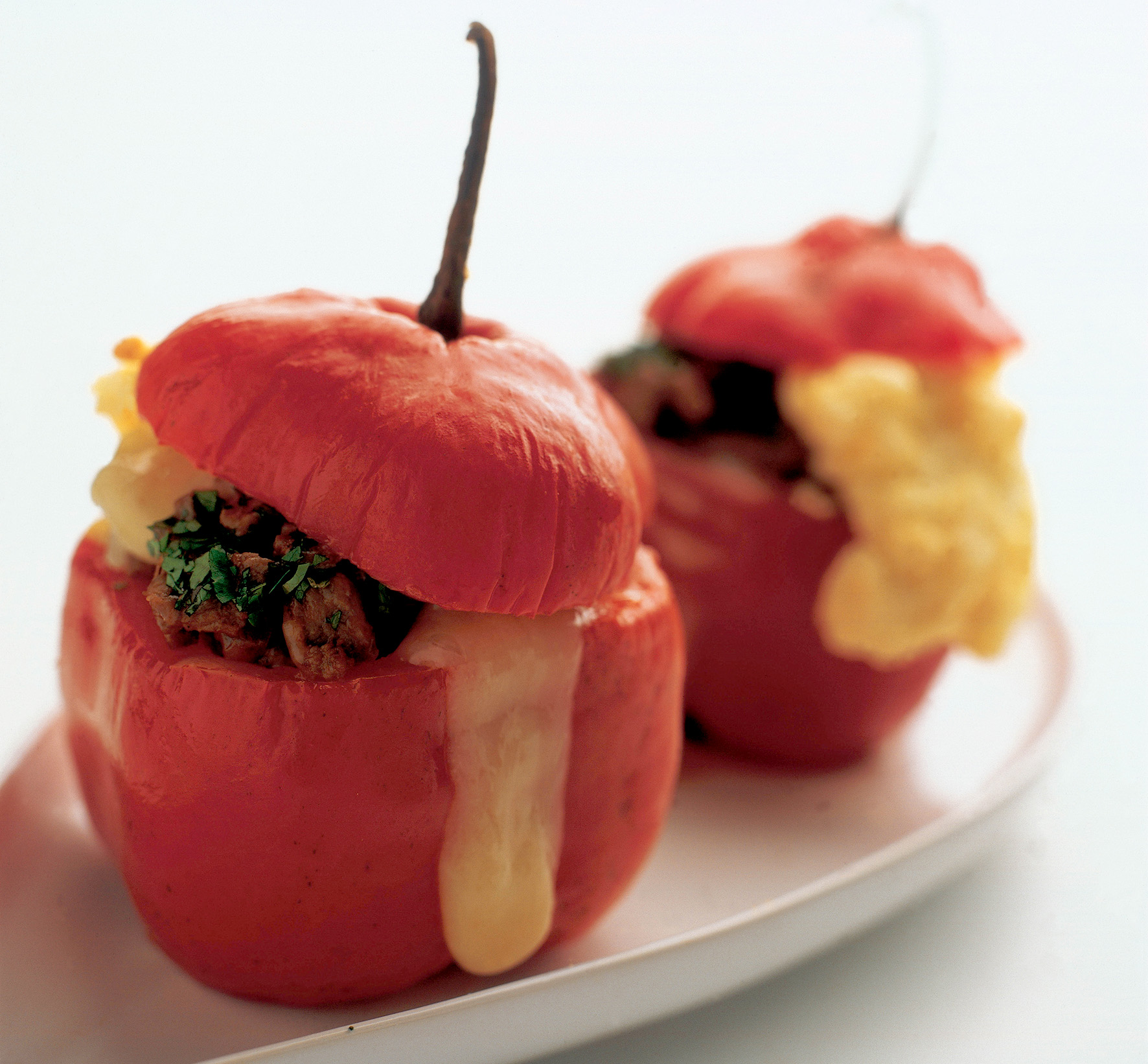
When traveling to Arequipa make sure you will have some free time to enjoy its food, since the city is a paradise for foodie. There are many culinary spots that you should try: from the local market stall to fine dining restaurants, from traditional “Picanterias” to gourmet restaurants. “Picanterias” are all about traditions; they are very cozy places where you can eat traditional and genuine food, that they are usually open only for lunch. The dining room is always very rustic with simple details and table settings, but you will be amazed by the delicious food. So make sure you have enough time to try traditional dishes such as “Rocoto Relleno” and discover the genuineness of local ingredients.

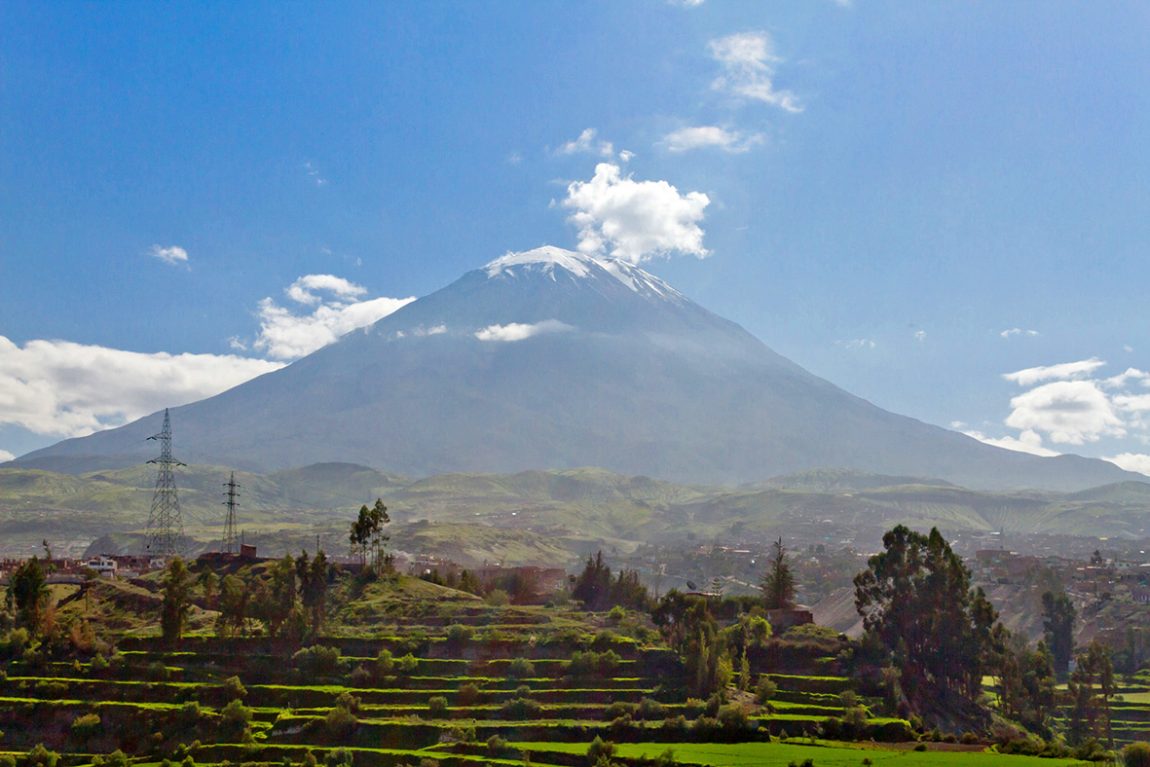
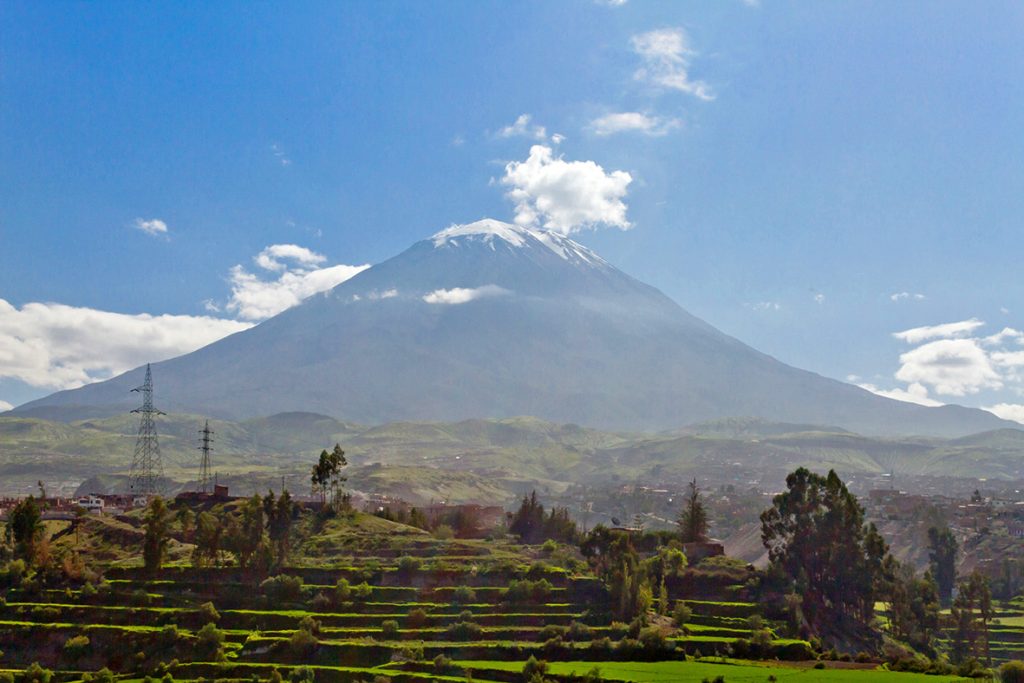
Tradiciones Arequipeñas RestaurantIt is a “picantería” located a few kilometers from Arequipa city, Paucarpata. It has a beautiful view of the Misti Vulcan from the second floor. It is a tourist picantería nonetheless the welcoming simplicity keeps showing the typical places of the region.
Address: Av. Dolores, 111 Paucarpata – Arequipa

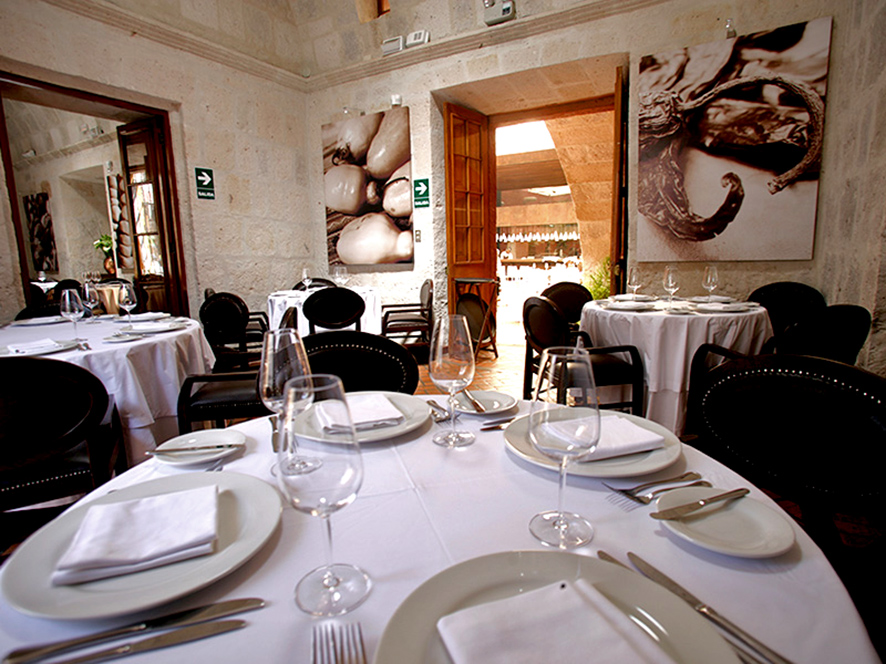
Chicha Restaurantowned by Peru most famous Chef, Gaston Acurio, this restaurant offers a unique culinary proposal in town and amazing and welcoming interiors. It serves traditional Peruvian food in a colonial atmosphere and the service is outstanding. The menu includes a wide range of traditional dishes and cocktail options. Address: Calle Santa Catalina 210 interior 105, Arequipa

Ocopa RestaurantThe Ocopa restaurant keeps his recipes from generation to generation; travelers and locals taste its exquisite dishes in a cozy atmosphere. This is a cozy place with a long tradition in its cuisine, excellent for family trip. Address: Plaza de Yanahuara, Arequipa

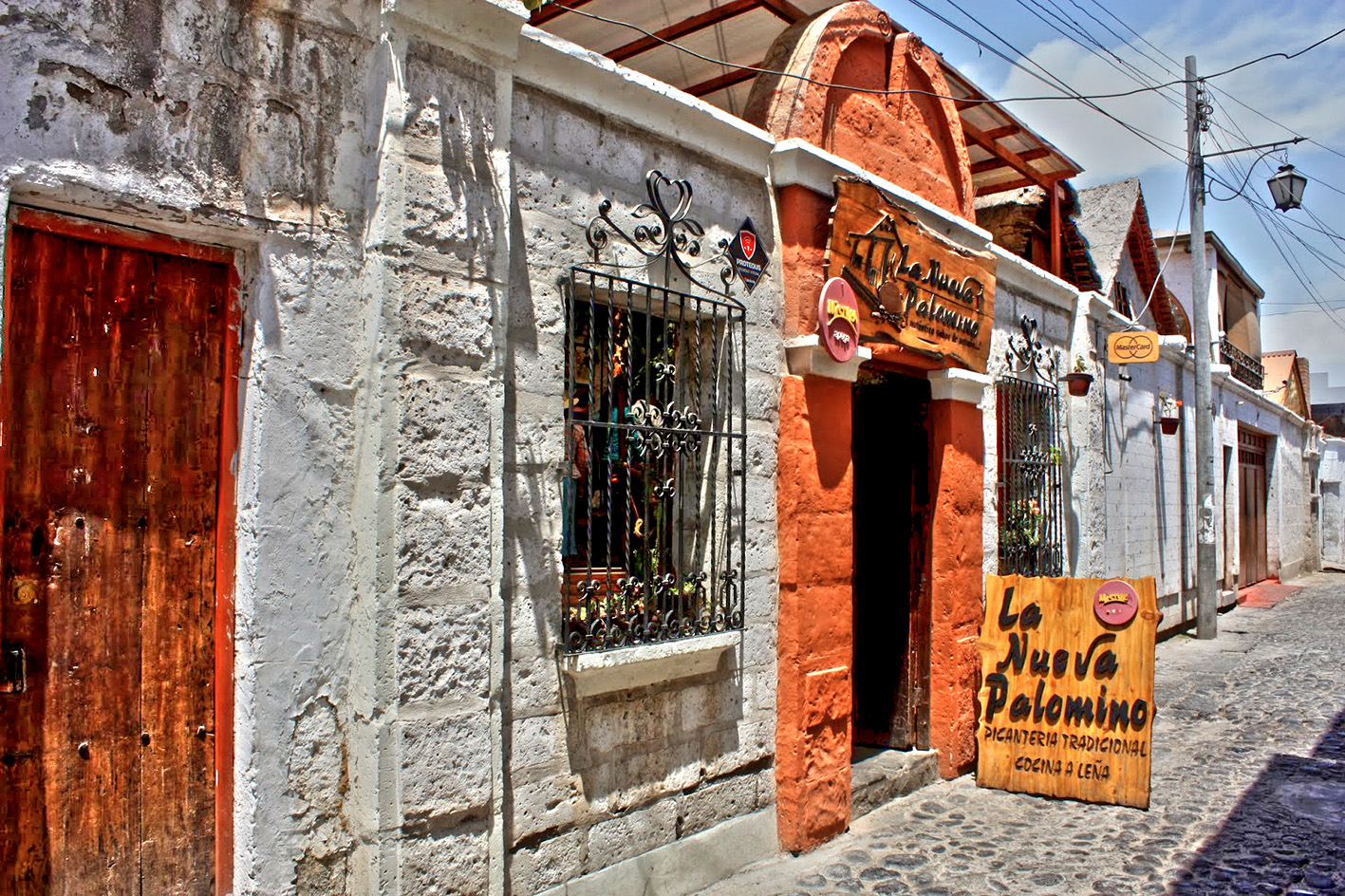
Picantería La Nueva Palomino: This restaurant is located in Yanahuara district and it is very popular among turists and locals, so it could often be crowded. Its chef and owner, Monica Huerta Alpaca, is an expert in local food, such as the potato cake, potato with ocopa sauce, fried local cheese, the “rocoto relleno” filled with minced meat and deliciously seasoned, and much more. The portions are usually huge, so I suggest you to share and try a bit of everything that’s on the menu. As all the “picanterías” in the city, it is only open during the day. Address: Leoncio Prado 122, Arequipa

So, here you have four great options to enjoy food in Arequipa and you are ready to embark in a journey of tastes and traditional scents. If you have other culinary suggestions, you are welcome to include it in the comments below!


Peru Peru Destinations Puno Titicaca Travel Travel Tips What to do World travel

Top Things to do While in Puno

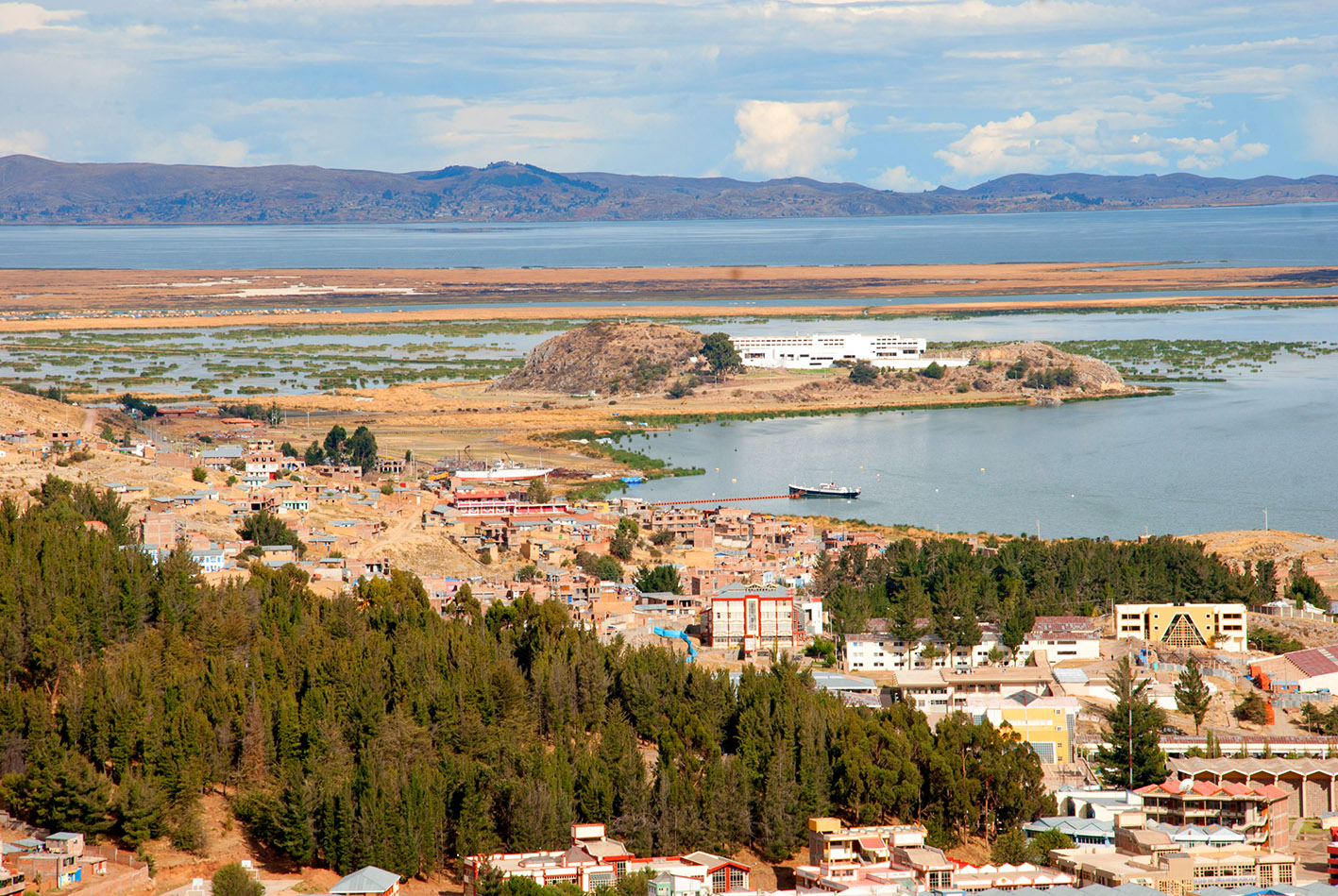
Puno is located in the south-east region of Peru, located on the shores of the beautiful and mysterious Titicaca Lake, the highest navigable lake in the world. Once you get to Puno, the first thing you should do is to relax and get some rest, since the altitude could make you feel sick. The “soroche” is very common for tourists in this area. Also have a hot coca tea that is very effective to deal with altitude sickness in local people’s opinion. I can swear it actually helps!

Here some sights you should definitely visit:

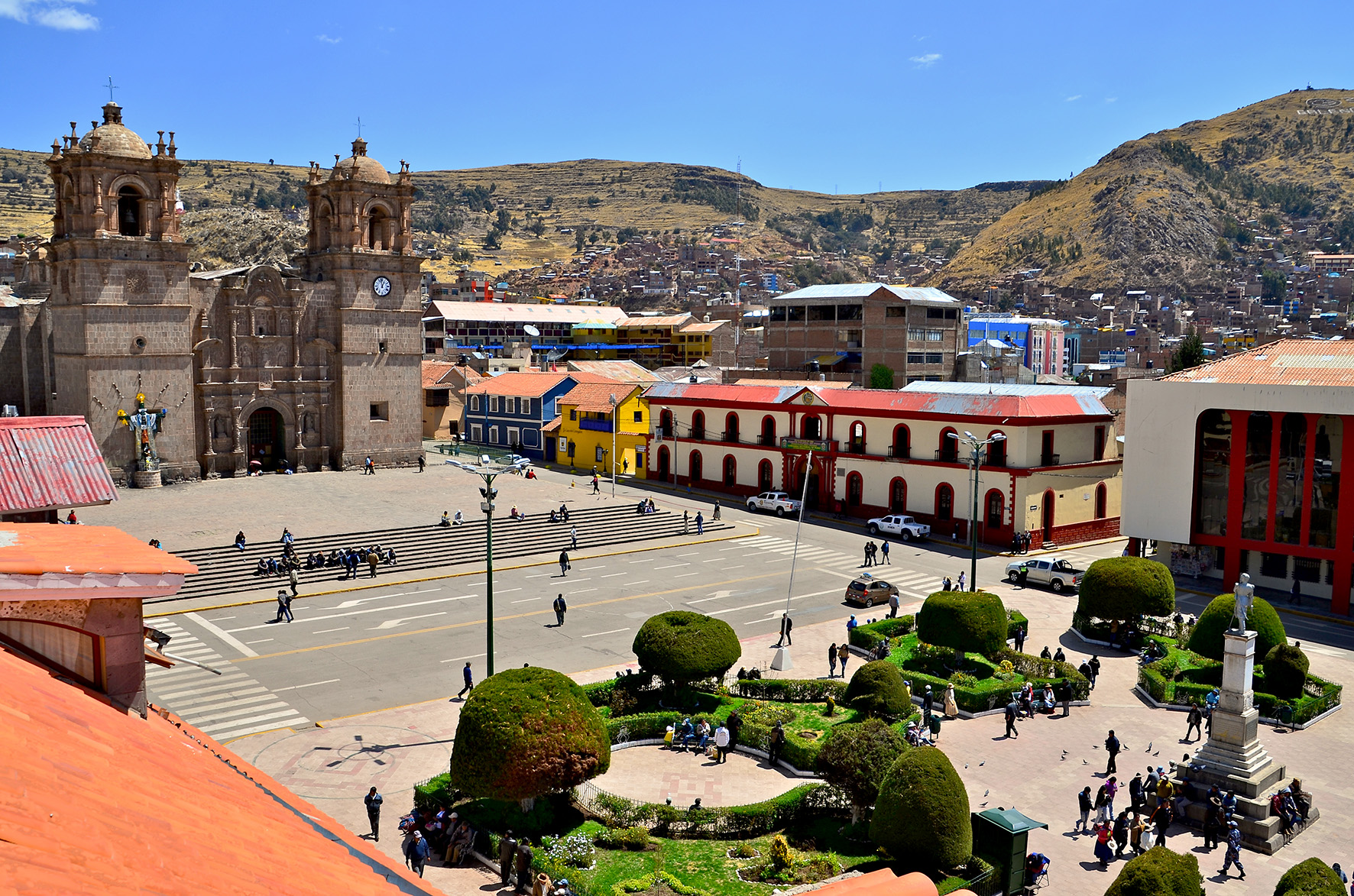
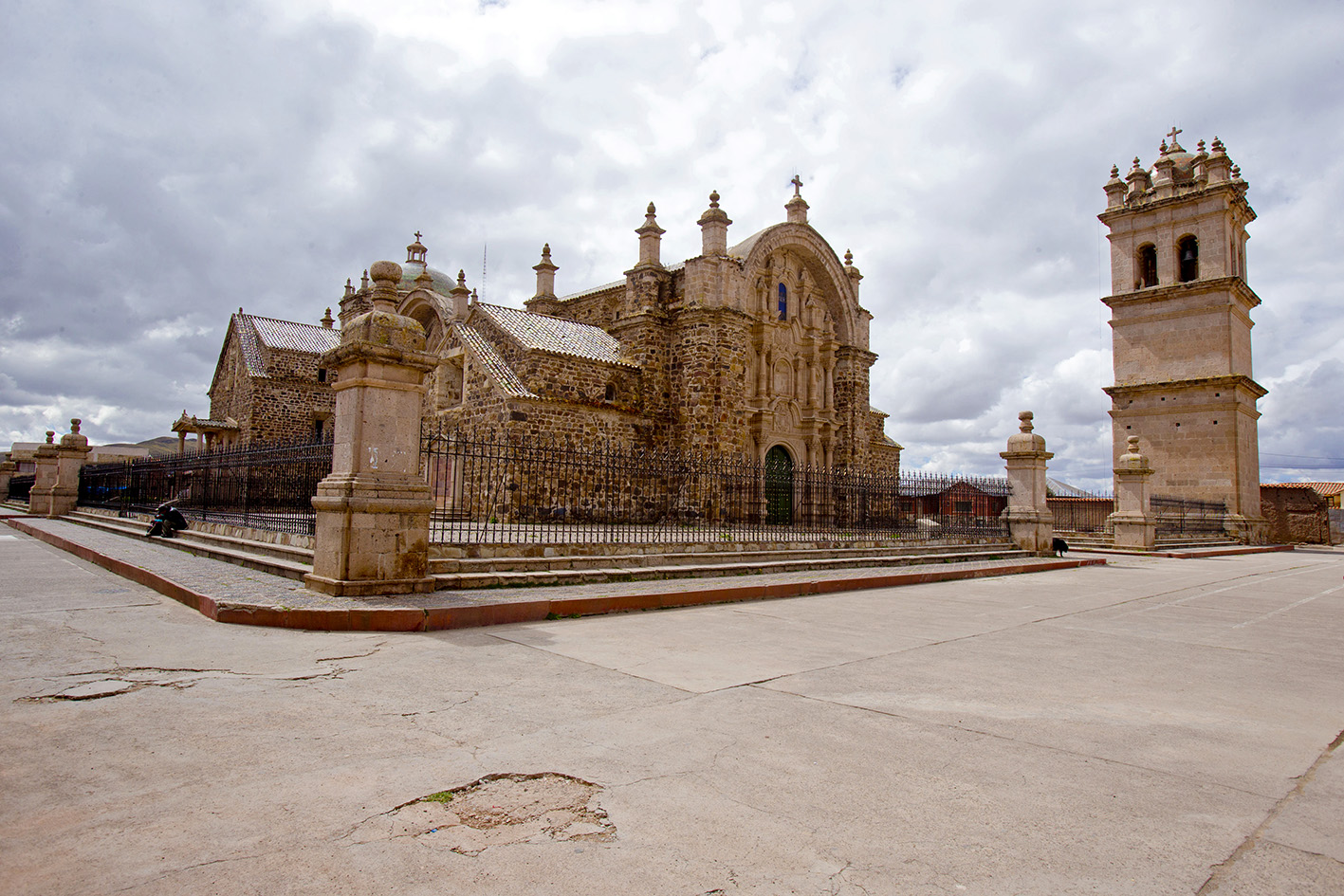
Jiron Lima: This is Puno’s main street, where you can find restaurants, pubs and several shops. You should not miss a walk along this vibrant street to have an idea of how local people live. This is a pedestrian street which will bring you to Puno’s main square where you can find the Cathedral, Saint John Church and more.

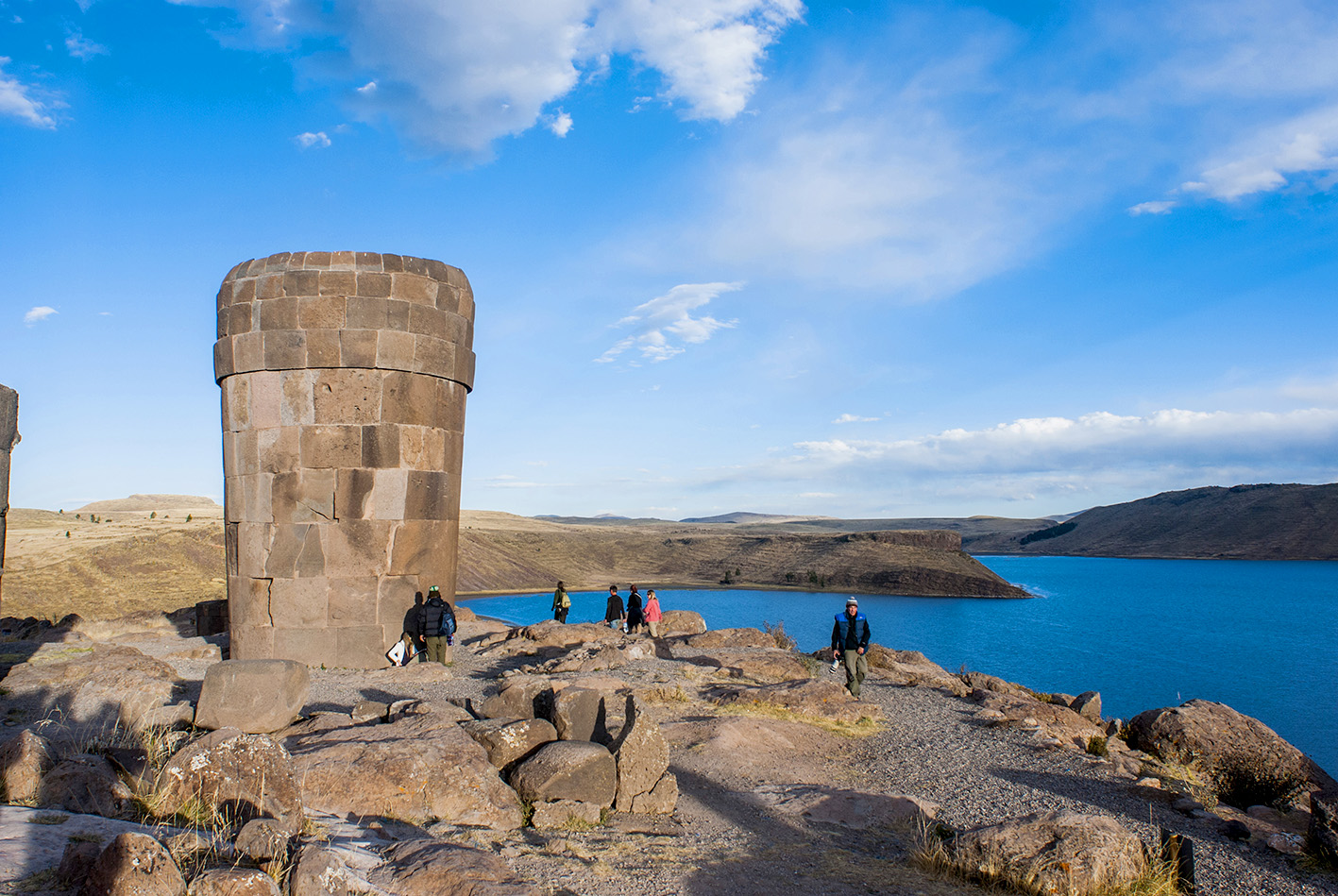
Sillustani: It is an ancient burial ground near Lake Titicaca. The tombs are built above the ground, and filled with symbolism. The inside of the tombs are shaped like a woman’s uterus. The ancient people in Peru believed in a mother earth that created and regulated life. So, when a person died, they were mummified in the fetal position, just like they came into the world. The doors of the tombs face east, because it is believed that is where the sun is born from the mother earth each and every day.

Uros Island: The residents of Uros Island are the Aimaras who have inherited the way of life of the long-gone Uros. Their livelihood is based on the benefits of a unique plant: the “totora” reed. They use it to build their homes, boats and even the floating islands they live on, periodically adding new layers of reeds.

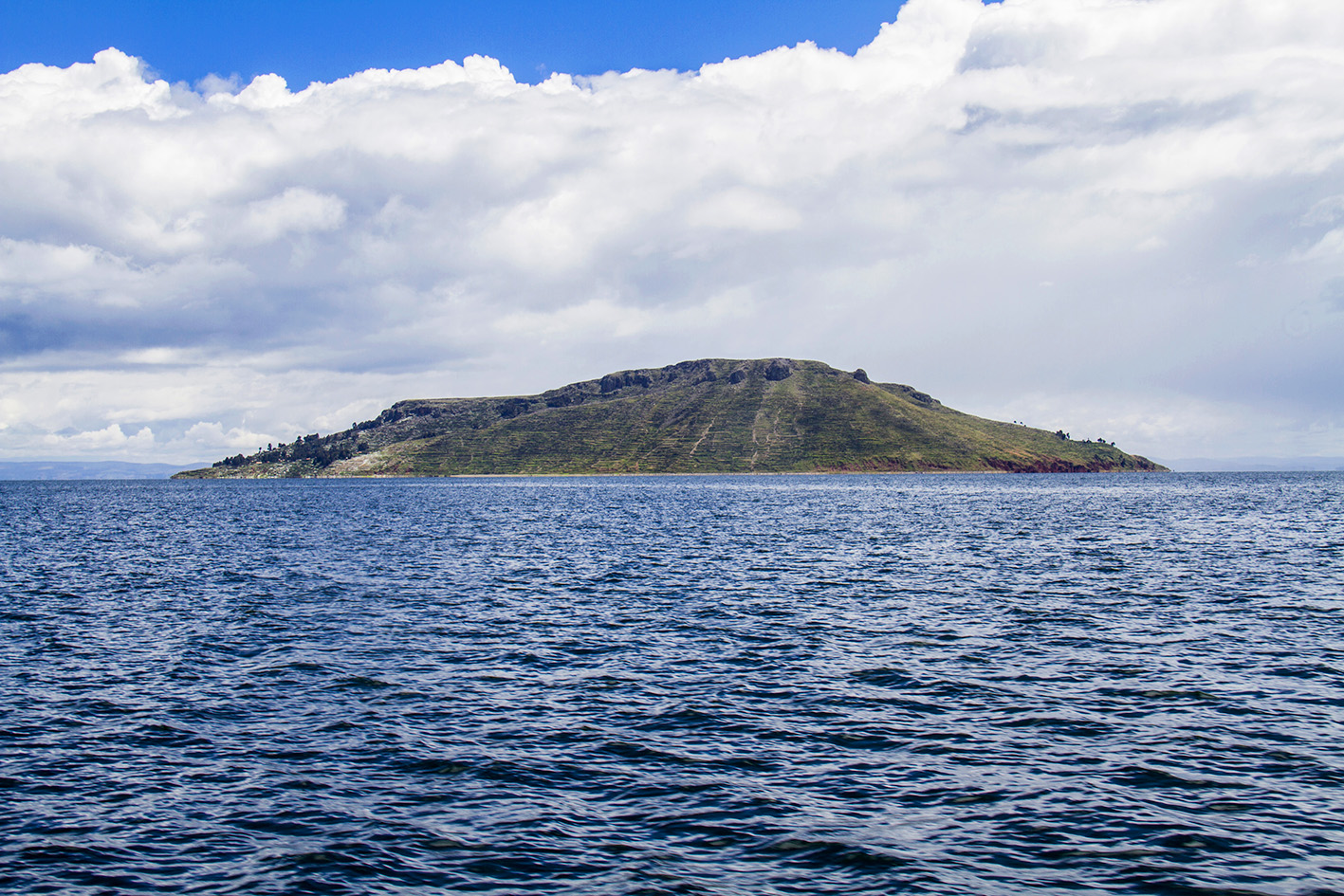
Amantani Island: This Island has lovely landscapes and a community organized like in the ancient time. It is less visited, making it attractive to those seeking peace, quiet and eager to get in touch with local people ad learn their charming traditions. Here you can also opt to spend the night with the villagers in one of their houses; this is a very nice experience that will allow you to fully get in touch with the local community.

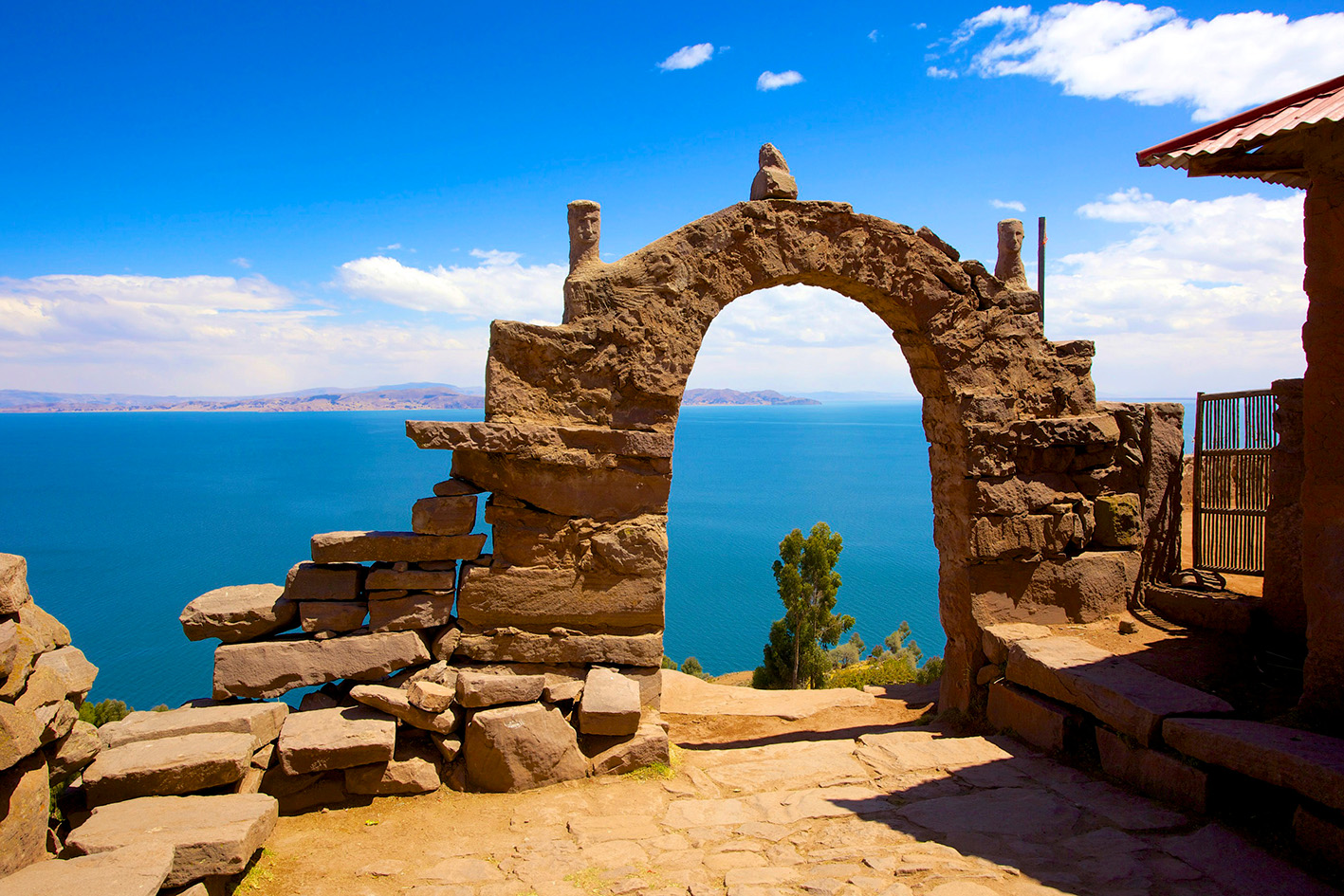
Taquile Island: Thirty minutes away from Amantani Island there is Taquile Island, which inhabitants speak only Quechua. Farmers, fishermen and weavers, they wear distinctive outfits, which are usually very colorful. Taquile has several beautiful hills and many archeological sites; from there you will enjoy stunning views of the Titicaca Lake and its beautiful blue sky.

Week-end Market: if you happen to be in Puno on a Saturday you can also visit the local market, located in the city center. There you can find fruit, vegetables, grains, the majority of the varieties of Peruvian potatoes and much more. This is one of the best way to get in contact with local culture.

Also, do not forget that Puno is one of the richest regions when it comes to folklore and traditions; it is actually known as the folklore capital of Peru. You can often see street parades and other kind of celebration during the week-ends or in November, which is the month of the city’s founding and there are many celebrations going on. If you have more tips on Puno, do not hesitate to share it with me in the comments below.

Arequipa Peru Peru Destinations

What to do in Arequipa

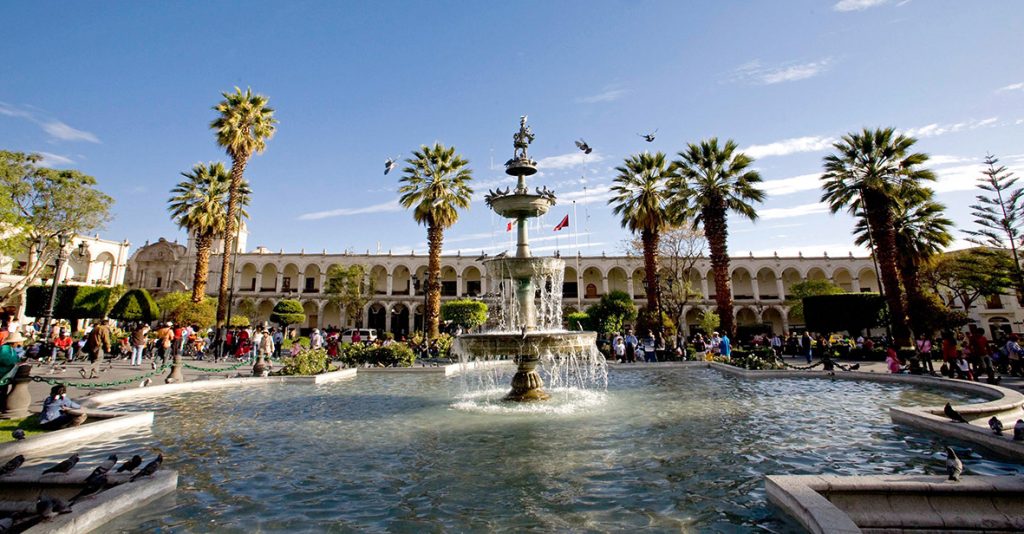
Arequipa, also known as the “White City”, is located in the south of Peru, about 475 miles far away from Lima. You can easily reach the city by plane or by bus if you have more time available. The bus ride will last approximately 16 hours, so it is a long ride as you can see, especially due to the highway conditions. I can say that Arequipa is really worth a visit if you are in Peru for more than a week. Here a list of sights you must visit once there:

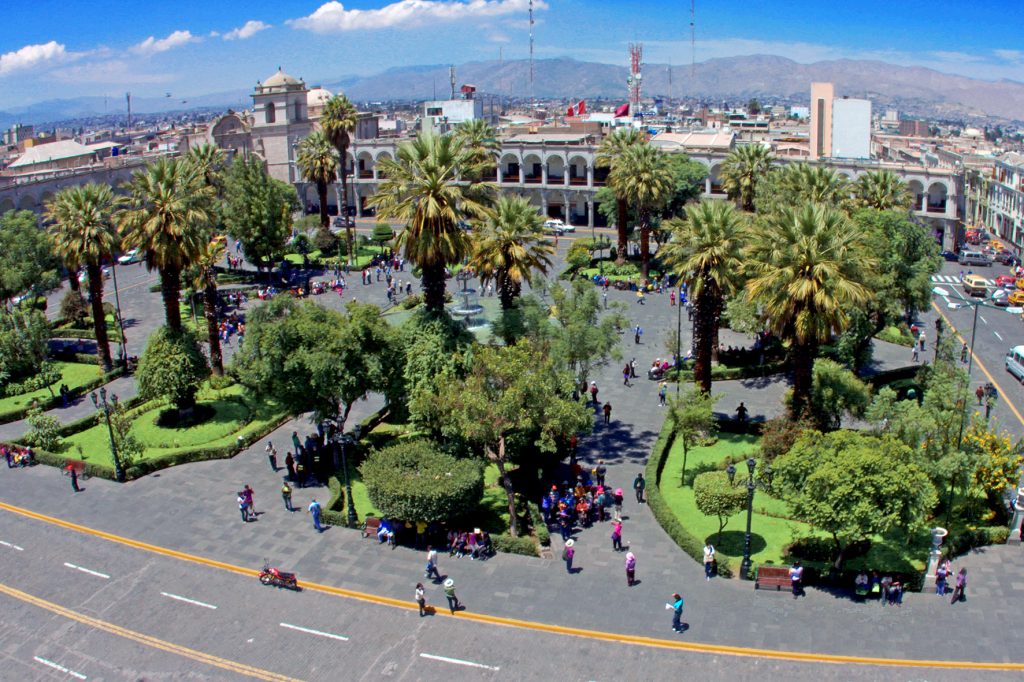
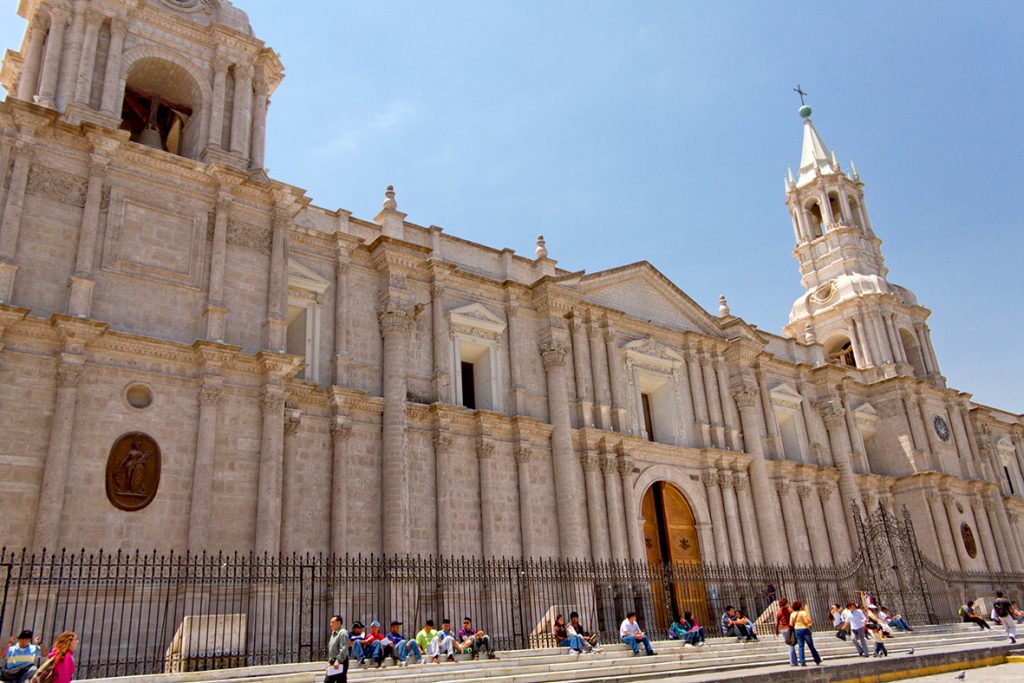
The Cathedral and the main square: The construction of this church began in 1544, predominantly in the neoclassic style, with three naves, enormous columns, a great Belgian organ and a French neo-gothic pulpit. It was gutted by fire in 1844, it was then rebuilt and damaged again by the 1868 earthquake.  Most of what you see today is what has been rebuilt. It has splendid treasures of gold and silverwork, such as two monstrances of gold and precious stones. The interior is simple and airy, with a luminous quality, and the high vaults are uncluttered. It also has an international flair since both the altar and the 12 columns (symbolizing the 12 Apostles) are made of Italian marble.


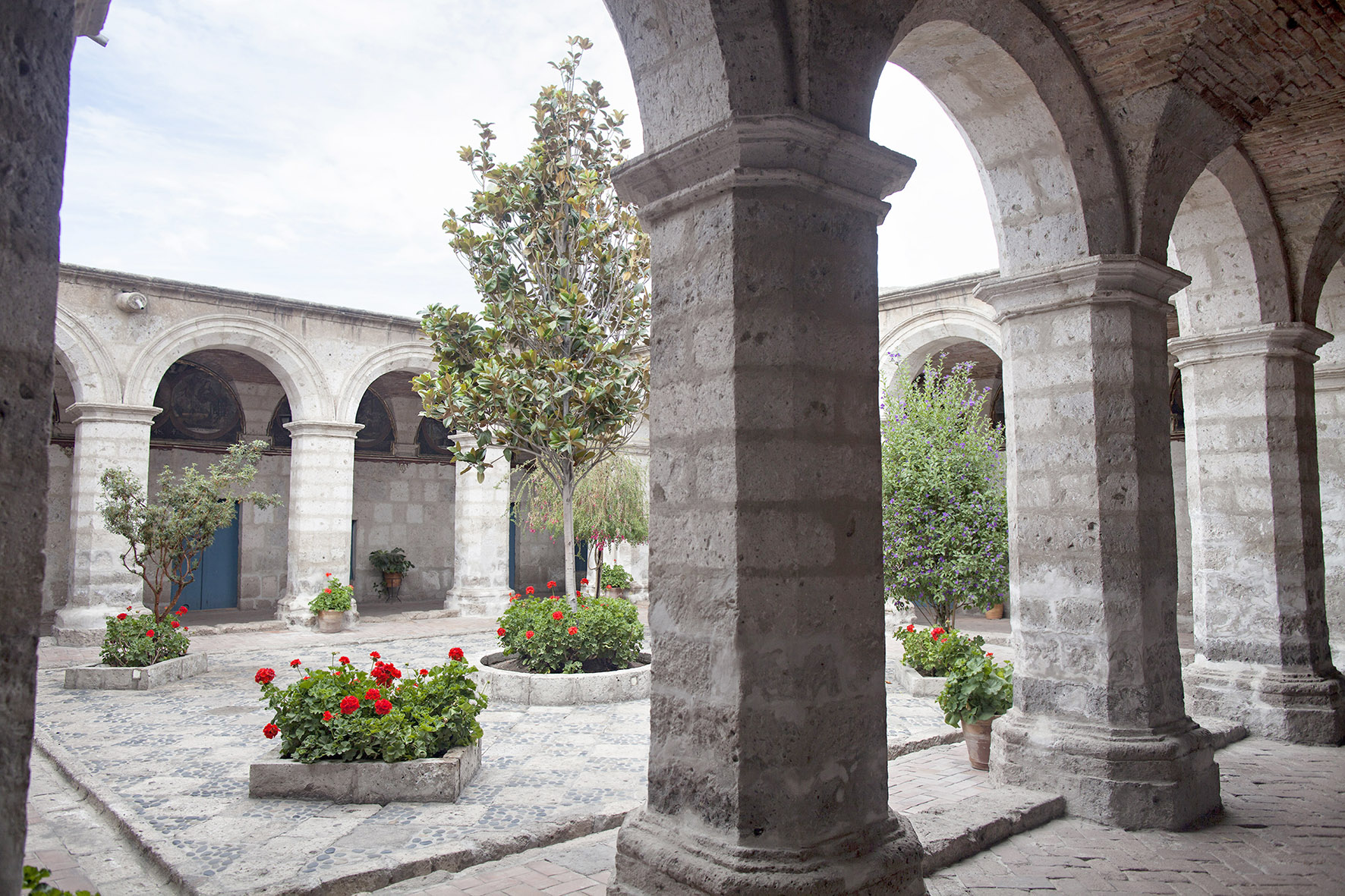
Santa Catalina’s Monastery: The Monastery of St. Catherine of Siena, or Convent of Santa Catalina, is a religious building located in the historical center of Arequipa. We believe it is the most fascinating religious complex in Peru. Its architectonic style is mainly colonial; visitors can enjoy walking through the colorful narrow streets and merged into the meditative atmosphere of the place.
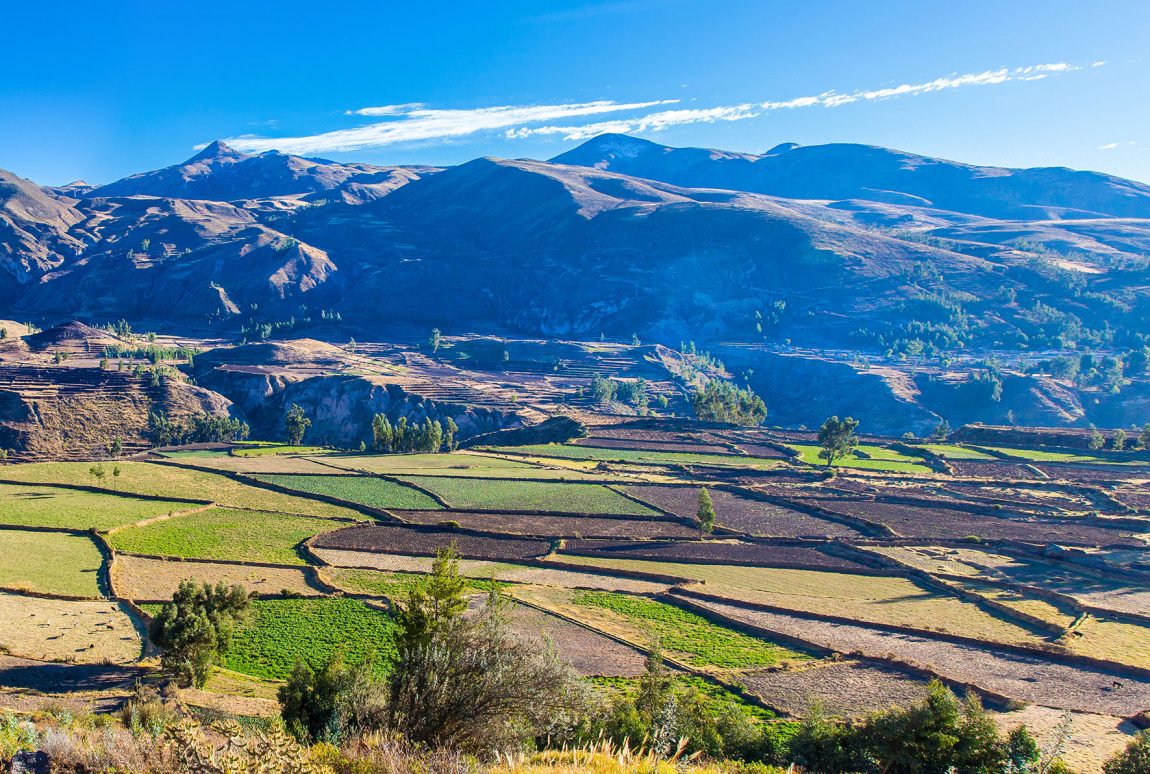
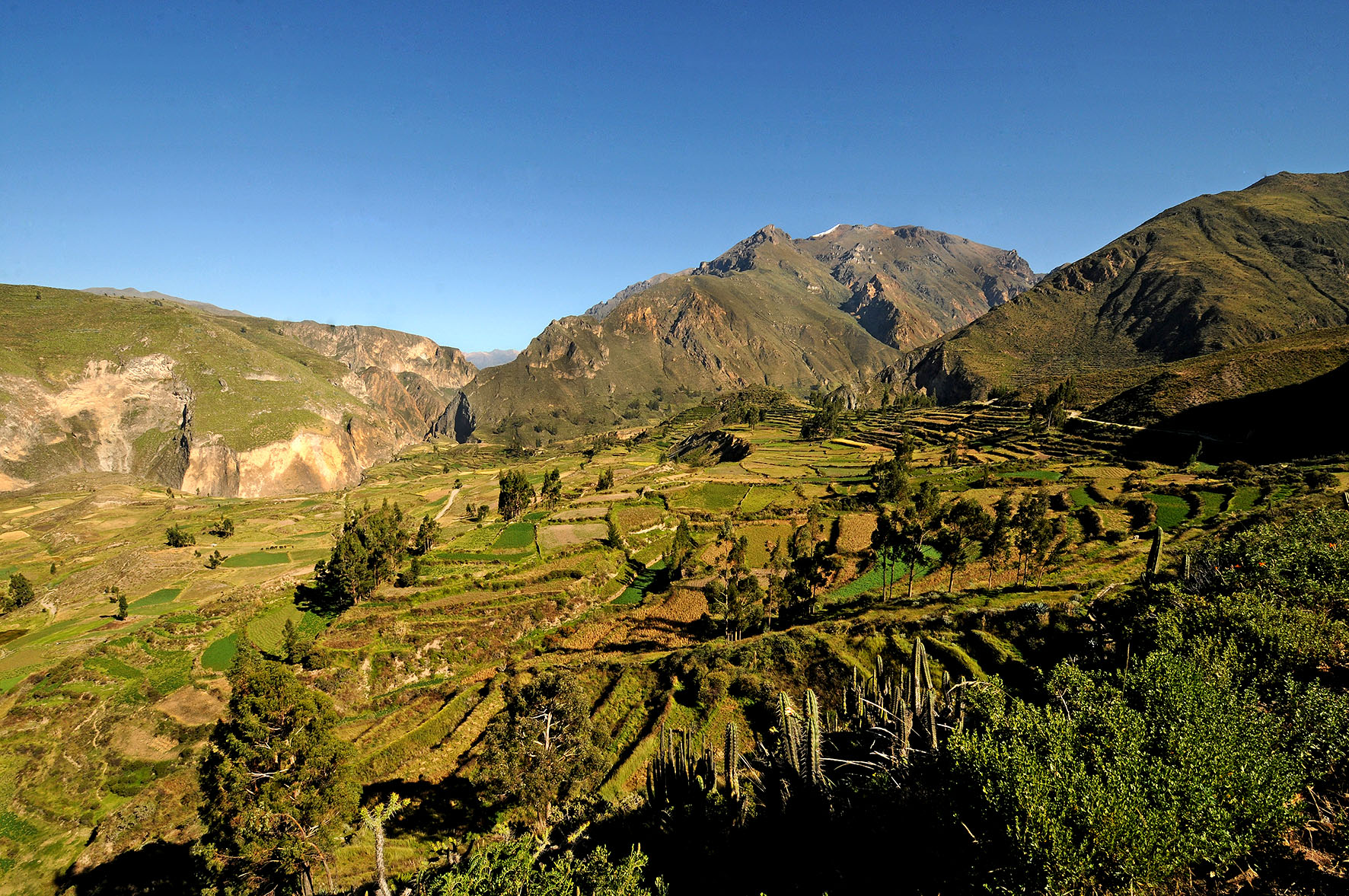
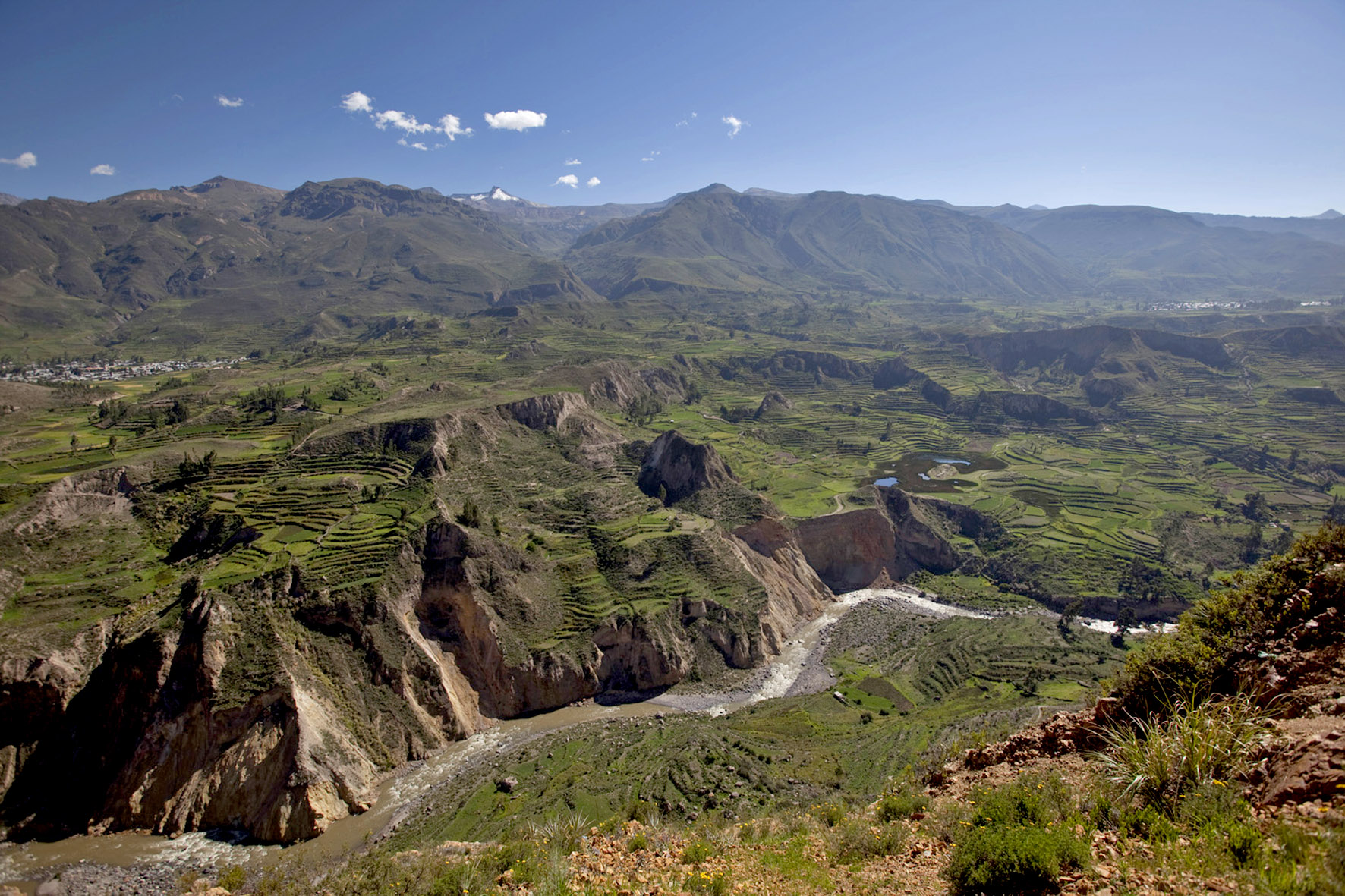
Colca Canyon: The fabulous Colca Canyon is reached via three packed dirt roads. All leave from the city of Arequipa and lead to the town of Chivay, crossing the Salinas and Aguada Blanca national reserves. The shortest road (148 km or 4 hours) is the recommended one since it is in good condition. Perhaps one of the major attractions of the area is its spectacular terracing, considered among the most extensive in southern Peru. The possibility of observing the flight of the condor in its native habitat, and the impressive scenery of one of the most beautiful spots on Earth make the Colca Canyon one of the most important travel destinations in the southern Andes. Usually it is better to spend the night in the area, since the daily hike could be tiring.
Tristan del Pozo Old House: a large mansion, finished in 1738 and located in the historic center of the city. The house, built for the General Don Domingo Carlos Tristan del Pozo, is one of the best example of “Arequipeña” architecture. In the house there is an art gallery divided in three areas with more than 40 art pieces from the BBVA Continental collection.

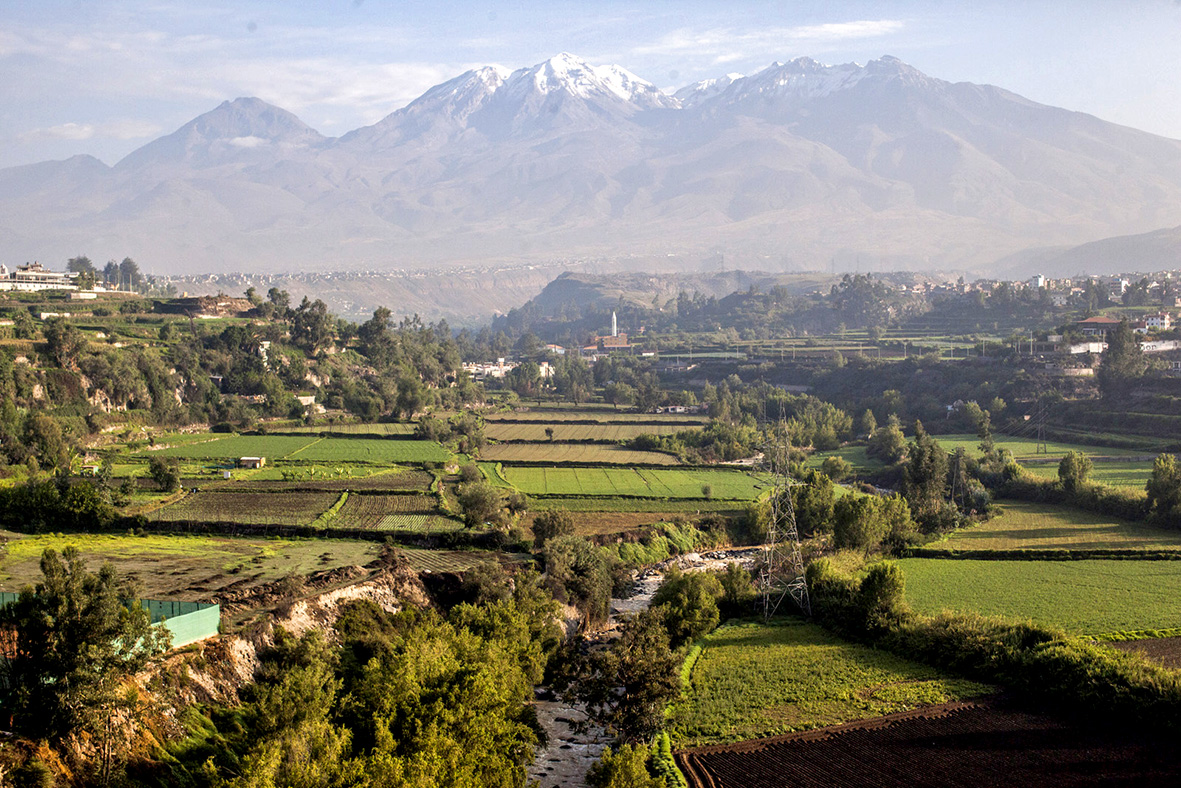
Carmen Alto viewpoint: if you love amazing landscapes you should not miss the Carmen Alto viewpoint. Here you will enjoy the view of Arequipa’s 3 volcanoes: the Chachani, the Misti and the Pichu Pichu. The Viewpoint (Mirador in Spanish language) is located about 6 Kilometers from Arequipa and I suggest you to visit it early in the morning to enjoy a stunning view of the city.
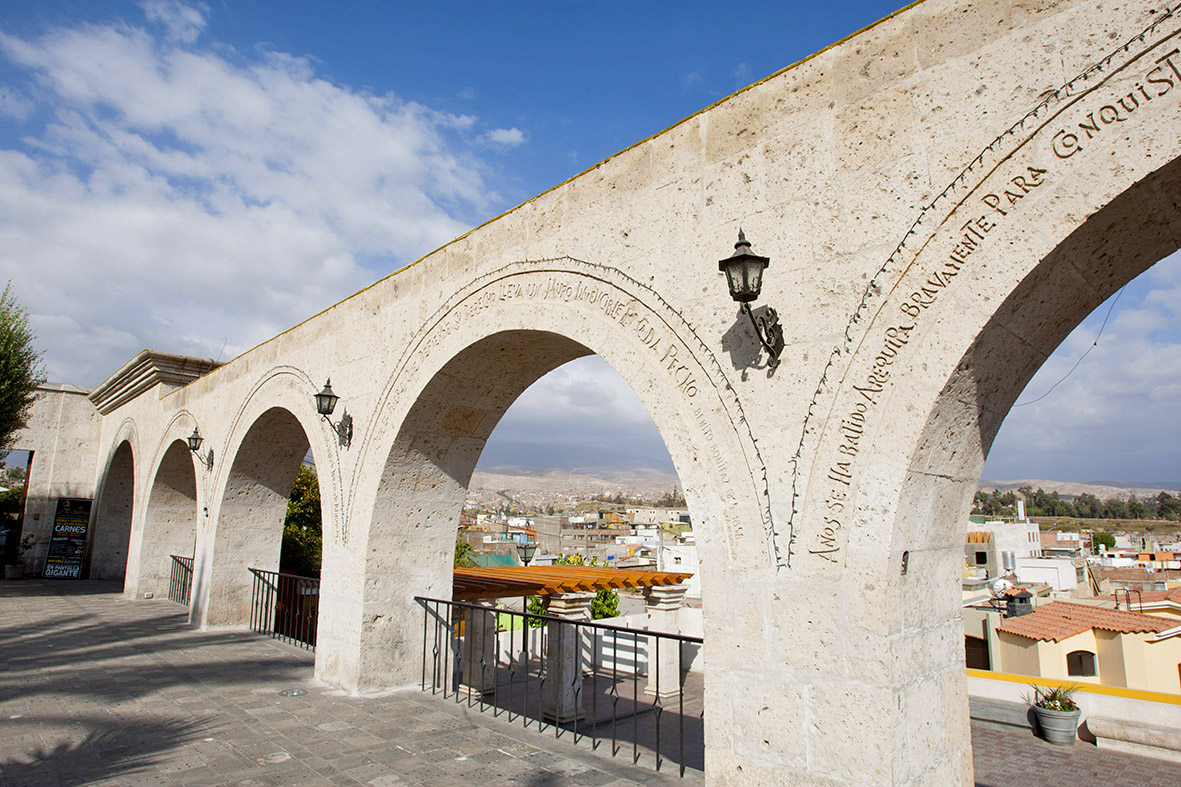
Yanahuara Viewpoint: This scenic viewpoint is located in the picturesque Yanahuara district, perched on a hill overlooking the city, 2 Kilometers far away from the city. Here you can enjoy a stunning view of the traditional neighborhoods of Arequipa.

The last tip that I can give you on Arequipa is that you should not miss a visit to the local market, where you can find local products and traditional handicrafts from the region. The fabric produced in Arequipa is extremely colorful with beautiful floral patterns. So, I am sure you will enjoy a visit to this city and you will be trapped by its colonial and baroque charm.